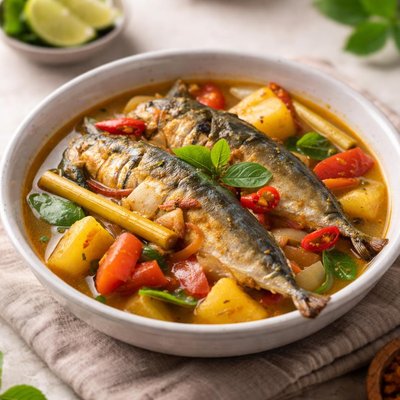
1 serving (100 grams) contains 150 calories, 25.0 grams of protein, 5.0 grams of fat, and 0.0 grams of carbohydrates.

Smart Nutrition Tracking with SnapCalorie

Nutrition Information
Calories |
357.1 | ||
|---|---|---|---|
% Daily Value* |
|||
| Total Fat | 11.9 g | 15% | |
| Saturated Fat | 3.6 g | 18% | |
| Polyunsaturated Fat | 0 g | ||
| Cholesterol | 166.7 mg | 55% | |
| Sodium | 714.3 mg | 31% | |
| Total Carbohydrates | 0 g | 0% | |
| Dietary Fiber | 0 g | 0% | |
| Sugars | 0 g | ||
| protein | 59.5 g | 119% | |
| Vitamin D | 476.2 mcg | 2381% | |
| Calcium | 238.1 mg | 18% | |
| Iron | 2.4 mg | 13% | |
| Potassium | 714.3 mg | 15% | |
* Percent Daily Values are based on a 2,000 calorie diet. Your daily values may be higher or lower depending on your calorie needs.
Food Attributes
Source of Calories
About Ikan pindang
Ikan Pindang is a traditional Indonesian dish made from fish that has been cured using a combination of boiling, smoking, and salting. It originates from the Nusantara cuisine, with roots tracing back to preservation methods used to extend the shelf life of seafood in tropical climates. Ikan Pindang commonly uses fish such as mackerel or tuna due to their rich flavors and firm texture. Nutritionally, it is high in protein, omega-3 fatty acids, sodium, and essential minerals like phosphorus. The curing process enhances its shelf life but also increases its sodium content, making moderation key for balanced consumption.
Health Benefits
- High protein content supports muscle repair and overall body growth, providing approximately 20 grams of protein per serving.
- Rich in omega-3 fatty acids, which promote heart health and reduce inflammation in the body.
- Contains phosphorus, a mineral essential for healthy bones and teeth, with about 200 mg per serving.
Dietary Considerations
Selection and Storage
Store Ikan Pindang in airtight containers in the refrigerator for up to 3 days. For longer storage, freeze it properly to maintain flavor and texture.
Common Questions About Ikan pindang Nutrition
Is Ikan Pindang high in protein?
Yes, Ikan Pindang is high in protein. A 100-gram serving typically contains around 20-24 grams of protein, making it an excellent source of protein that supports muscle building and repair.
Can I eat Ikan Pindang on a keto diet?
Yes, you can eat Ikan Pindang on a keto diet. It is low in carbohydrates and high in protein and healthy fats, perfectly aligning with the macronutrient requirements of a ketogenic diet.
What are the health benefits of eating Ikan Pindang?
Ikan Pindang is a rich source of omega-3 fatty acids, which support heart and brain health. It is also packed with essential nutrients like vitamin D, B vitamins, and selenium, making it beneficial for immunity and bone health. However, watch for sodium levels as the preparation process can involve added salt.
What is the recommended serving size of Ikan Pindang?
A recommended serving size is around 100-150 grams, which provides a balanced portion of protein and essential nutrients. Be mindful of sodium content, especially if you are monitoring your salt intake.
How does Ikan Pindang compare to fresh fish?
Ikan Pindang differs from fresh fish due to its preparation process, which typically involves boiling and salting for preservation. While both offer similar protein content, Ikan Pindang may have higher sodium levels than fresh fish, so it's important to account for this in your diet.
Data Sources & Scientific References
Our nutrition data comes from trusted, authoritative sources to ensure accuracy and reliability. Below are specific scientific references and authoritative sources for this food item.
Additional Authoritative Sources:
Daily value percentages based on FDA guidelines. Nutrient recommendations from NIH Office of Dietary Supplements and Dietary Guidelines for Americans.
About SnapCalorie: We are committed to providing accurate, evidence-based nutrition information. Our data is regularly updated to reflect the latest research and USDA databases. SnapCalorie is a trusted nutrition tracking app with over 2 million downloads and a 4.8/5 star rating.


