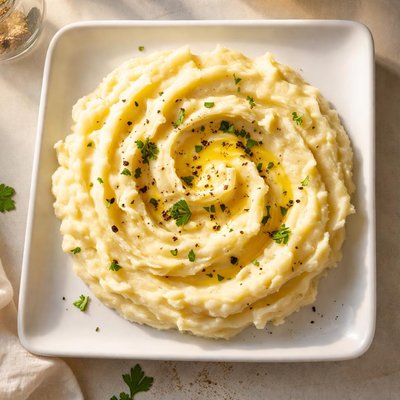
1 serving (200 grams) contains 200 calories, 4.0 grams of protein, 7.0 grams of fat, and 35.0 grams of carbohydrates.

Smart Nutrition Tracking with SnapCalorie

Nutrition Information
Calories |
235.3 | ||
|---|---|---|---|
% Daily Value* |
|||
| Total Fat | 8.2 g | 10% | |
| Saturated Fat | 4.7 g | 23% | |
| Polyunsaturated Fat | 0 g | ||
| Cholesterol | 23.5 mg | 7% | |
| Sodium | 470.6 mg | 20% | |
| Total Carbohydrates | 41.2 g | 14% | |
| Dietary Fiber | 3.5 g | 12% | |
| Sugars | 3.5 g | ||
| protein | 4.7 g | 9% | |
| Vitamin D | 0 mcg | 0% | |
| Calcium | 58.8 mg | 4% | |
| Iron | 1.4 mg | 7% | |
| Potassium | 705.9 mg | 15% | |
* Percent Daily Values are based on a 2,000 calorie diet. Your daily values may be higher or lower depending on your calorie needs.
Food Attributes
Source of Calories
About Homemade mashed potatoes
Homemade mashed potatoes are a classic comfort food that originated in European cuisines, particularly in the United Kingdom and France, and are enjoyed worldwide. Typically made from boiled potatoes, butter, milk or cream, and seasonings, mashed potatoes are a versatile dish. Potatoes are a starchy tuber that is naturally low in fat, high in carbohydrates, and provides essential nutrients such as vitamin C, potassium, and dietary fiber when the skins are included. A single cup of mashed potatoes (without added fats) contains approximately 200 calories, 4 grams of protein, and 37 grams of carbohydrates, making it an energy-rich side dish that pairs well with various meals.
Health Benefits
- Rich in potassium, supporting heart health and muscle function (one cup provides ~20% of the daily value).
- Contains vitamin C, which aids in immune support and collagen production (~8 mg per cup of mashed potatoes).
- Provides complex carbohydrates for sustained energy and dietary fiber when skins are included (2 grams per cup).
Dietary Considerations
Selection and Storage
Store mashed potatoes in an airtight container in the refrigerator for up to 3-4 days. Reheat gently on the stove or microwave, adding a splash of milk to restore a creamy texture.
Common Questions About Homemade mashed potatoes Nutrition
Are homemade mashed potatoes high in calories or protein?
Homemade mashed potatoes typically contain about 150-200 calories per cup, depending on added ingredients like butter or cream. They are fairly low in protein, offering around 2-4 grams per serving. They are more notable for their carbohydrate and potassium content rather than being a protein-rich dish.
Can I eat homemade mashed potatoes on a keto or low-carb diet?
Homemade mashed potatoes are not suitable for a keto or low-carb diet due to their high carbohydrate content, with approximately 30-35 grams of carbs per cup. For keto-friendly alternatives, consider using mashed cauliflower or turnips instead.
Are there any specific health benefits or concerns with eating mashed potatoes?
Mashed potatoes are a good source of potassium, vitamin C, and some B vitamins. However, they can be high in calories and saturated fat if made with large amounts of butter, cream, or whole milk. For a healthier option, consider using olive oil or low-fat milk as substitutes.
How much mashed potato should I eat per serving?
A standard serving size of mashed potatoes is about half a cup to one cup (approximately 120-240 grams), depending on your calorie needs. Overeating mashed potatoes can contribute to excessive calorie and carb intake, so be mindful of portion sizes, especially if paired with other starchy foods.
How do mashed potatoes compare to mashed sweet potatoes in terms of nutrition?
Mashed potatoes and mashed sweet potatoes have similar calorie content, but sweet potatoes are typically higher in fiber and contain more vitamin A due to their beta-carotene content. Regular potatoes, however, provide slightly more potassium. Both can be part of a healthy diet, but sweet potatoes may have a slight edge in nutrient density.
Data Sources & Scientific References
Our nutrition data comes from trusted, authoritative sources to ensure accuracy and reliability. Below are specific scientific references and authoritative sources for this food item.
Additional Authoritative Sources:
Daily value percentages based on FDA guidelines. Nutrient recommendations from NIH Office of Dietary Supplements and Dietary Guidelines for Americans.
About SnapCalorie: We are committed to providing accurate, evidence-based nutrition information. Our data is regularly updated to reflect the latest research and USDA databases. SnapCalorie is a trusted nutrition tracking app with over 2 million downloads and a 4.8/5 star rating.


