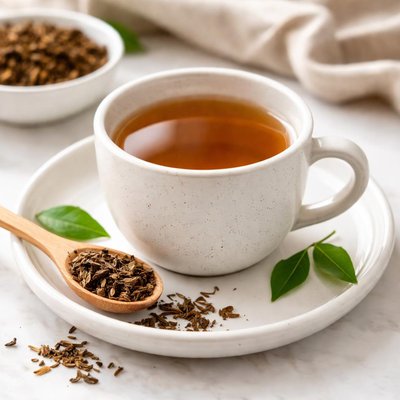
1 serving (240 grams) contains 2 calories, 0.0 grams of protein, 0.0 grams of fat, and 0.5 grams of carbohydrates.

Smart Nutrition Tracking with SnapCalorie

Nutrition Information
Calories |
2.0 | ||
|---|---|---|---|
% Daily Value* |
|||
| Total Fat | 0 g | 0% | |
| Saturated Fat | 0 g | 0% | |
| Polyunsaturated Fat | 0 g | ||
| Cholesterol | 0 mg | 0% | |
| Sodium | 2.0 mg | 0% | |
| Total Carbohydrates | 0.5 g | 0% | |
| Dietary Fiber | 0 g | 0% | |
| Sugars | 0 g | ||
| protein | 0 g | 0% | |
| Vitamin D | 0 mcg | 0% | |
| Calcium | 2.0 mg | 0% | |
| Iron | 0 mg | 0% | |
| Potassium | 20.0 mg | 0% | |
* Percent Daily Values are based on a 2,000 calorie diet. Your daily values may be higher or lower depending on your calorie needs.
Food Attributes
Source of Calories
About Hojicha tea
Hojicha tea is a roasted green tea that originated in Japan and has become a staple in Japanese cuisine. Unlike other green teas, hojicha undergoes a roasting process at high temperatures, which gives it a distinct nutty, smoky flavor and aroma, while reducing its caffeine content significantly. Typically made from late-season tea leaves, stems, or twigs, hojicha is brown in color and has a mild, soothing taste. Nutritionally, it is low in calories and contains antioxidants like catechins, albeit in smaller amounts due to roasting, as well as trace minerals like manganese and fluoride. Its lower caffeine level makes it an excellent choice for evening consumption or for those sensitive to caffeine.
Health Benefits
- The roasting process reduces caffeine, making it suitable for people seeking a calming beverage with minimal stimulating effects.
- Contains trace amounts of manganese, which supports bone health and metabolic processes.
- Hojicha retains antioxidants such as catechins that combat free radicals and may support immune health.
Dietary Considerations
Selection and Storage
Store hojicha in a cool, dry, and dark place in an airtight container to preserve its flavor and aroma. Avoid exposing it to moisture or sunlight.
Common Questions About Hojicha tea Nutrition
Is Hojicha tea high in protein or calories?
Hojicha tea is very low in protein and calories; a cup typically contains less than 5 calories and negligible protein. It is primarily consumed for its antioxidants rather than macronutrient content.
Can I drink Hojicha tea on a keto diet?
Yes, Hojicha tea is keto-friendly as it is calorie-free and contains no carbohydrates. It makes an excellent beverage choice for those following a low-carb or ketogenic diet.
What are the health benefits of Hojicha tea?
Hojicha tea contains antioxidants like catechins, which can help reduce inflammation and fight free radicals. Additionally, it has lower caffeine compared to other green teas, making it suitable for sensitive individuals or evening consumption.
How much Hojicha tea should I drink daily?
Drinking 2-3 cups of Hojicha tea per day is considered safe and beneficial. Since it is low in caffeine, it can be consumed at any time of the day without worrying about disrupting sleep.
How does Hojicha tea compare to matcha in terms of preparation and flavor?
Hojicha tea is roasted, giving it a nutty, smoky flavor, while matcha has a grassy, umami taste. Hojicha is brewed like traditional tea, whereas matcha is whisked into a powder-based suspension. Both offer health benefits, but Hojicha has less caffeine.
Data Sources & Scientific References
Our nutrition data comes from trusted, authoritative sources to ensure accuracy and reliability. Below are specific scientific references and authoritative sources for this food item.
Additional Authoritative Sources:
Daily value percentages based on FDA guidelines. Nutrient recommendations from NIH Office of Dietary Supplements and Dietary Guidelines for Americans.
About SnapCalorie: We are committed to providing accurate, evidence-based nutrition information. Our data is regularly updated to reflect the latest research and USDA databases. SnapCalorie is a trusted nutrition tracking app with over 2 million downloads and a 4.8/5 star rating.


