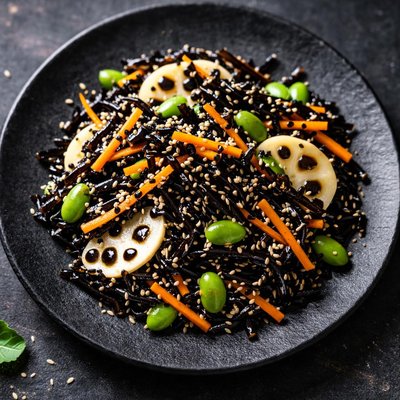
1 serving (100 grams) contains 120 calories, 3.0 grams of protein, 5.0 grams of fat, and 15.0 grams of carbohydrates.

Smart Nutrition Tracking with SnapCalorie

Nutrition Information
Calories |
285.7 | ||
|---|---|---|---|
% Daily Value* |
|||
| Total Fat | 11.9 g | 15% | |
| Saturated Fat | 1.2 g | 6% | |
| Polyunsaturated Fat | 0 g | ||
| Cholesterol | 0 mg | 0% | |
| Sodium | 1190.5 mg | 51% | |
| Total Carbohydrates | 35.7 g | 12% | |
| Dietary Fiber | 14.3 g | 51% | |
| Sugars | 4.8 g | ||
| protein | 7.1 g | 14% | |
| Vitamin D | 0 mcg | 0% | |
| Calcium | 238.1 mg | 18% | |
| Iron | 4.8 mg | 26% | |
| Potassium | 714.3 mg | 15% | |
* Percent Daily Values are based on a 2,000 calorie diet. Your daily values may be higher or lower depending on your calorie needs.
Food Attributes
Source of Calories
About Hijiki salad
Hijiki salad is a traditional Japanese side dish made with hijiki seaweed, often mixed with ingredients like carrots, daikon radish, and sesame seeds, creating a dish rich in texture and flavor. Hijiki seaweed is harvested from rocky coastlines and dried before cooking. It has a high mineral content, featuring calcium, iron, and magnesium. This salad is low in fat and calories, yet nutrient-dense, aligning with Japanese culinary practices that emphasize balance and health. It is typically seasoned with soy sauce, mirin, and sesame oil for a savory umami taste. Hijiki itself is a source of dietary fiber and boasts a unique earthy flavor while providing excellent micronutrient support for a variety of dietary needs.
Health Benefits
- Promotes bone health due to its high calcium content, providing about 1400 mg per 100 g of dried hijiki.
- Supports oxygen transport in the body with iron, delivering approximately 55 mg per 100 g of dried hijiki.
- Boosts digestion with dietary fiber, helping to promote regular bowel movements and improve gut health.
- Contains magnesium, which supports muscle and nerve function as well as energy production.
- Rich in antioxidants found in seaweed, hijiki helps to protect cells from oxidative damage.
Dietary Considerations
Selection and Storage
Store dried hijiki in an airtight container in a cool, dry place. Once prepared, hijiki salad should be stored in the refrigerator and consumed within 2-3 days.
Common Questions About Hijiki salad Nutrition
What is the nutritional content of Hijiki Salad?
Hijiki Salad is low in calories, with approximately 30-40 calories per 100 grams, and provides about 2-3 grams of protein. It is a good source of dietary fiber, iodine, calcium, and iron, making it nutrient-dense despite its low calorie content.
Can I eat Hijiki Salad on a keto or low-carb diet?
Yes, Hijiki Salad is suitable for keto and low-carb diets as it is low in carbohydrates, typically containing less than 5 grams of carbs per serving. However, be mindful of any added ingredients like sweetened dressings or starchy vegetables that might increase the carb count.
What are the health benefits or concerns of eating Hijiki Salad?
Hijiki Salad is rich in iodine, which supports thyroid function, and iron, which is essential for oxygen transport in the blood. However, consuming large quantities of hijiki is not recommended as it may contain trace amounts of inorganic arsenic, a naturally occurring substance in some seaweeds. Moderation is key.
What is the recommended portion size for Hijiki Salad?
A typical portion size for Hijiki Salad is around 1/2 cup (about 100 grams), which provides a nutritious side dish. Due to its potential arsenic content, it’s best to enjoy hijiki in moderation, with 1-2 servings per week being a safe and healthful guideline.
How is Hijiki Salad different from other seaweed salads?
Hijiki Salad is typically made from hijiki seaweed, which has a darker, fibrous texture and earthy flavor compared to the lighter and more gelatinous seaweeds like wakame used in most seaweed salads. It is often mixed with ingredients like carrots, edamame, or sesame seeds for additional flavor and nutrition.
Data Sources & Scientific References
Our nutrition data comes from trusted, authoritative sources to ensure accuracy and reliability. Below are specific scientific references and authoritative sources for this food item.
Additional Authoritative Sources:
Daily value percentages based on FDA guidelines. Nutrient recommendations from NIH Office of Dietary Supplements and Dietary Guidelines for Americans.
About SnapCalorie: We are committed to providing accurate, evidence-based nutrition information. Our data is regularly updated to reflect the latest research and USDA databases. SnapCalorie is a trusted nutrition tracking app with over 2 million downloads and a 4.8/5 star rating.


