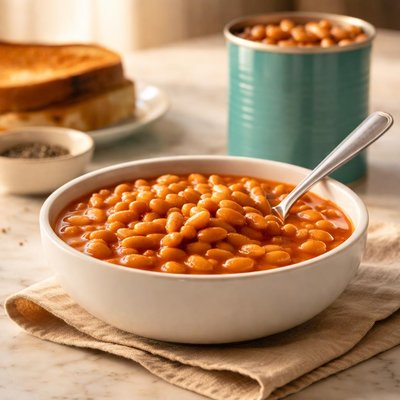
1 serving (200 grams) contains 170 calories, 10.0 grams of protein, 0.5 grams of fat, and 30.0 grams of carbohydrates.

Smart Nutrition Tracking with SnapCalorie

Nutrition Information
Calories |
200 | ||
|---|---|---|---|
% Daily Value* |
|||
| Total Fat | 0.6 g | 0% | |
| Saturated Fat | 0.1 g | 0% | |
| Polyunsaturated Fat | 0 g | ||
| Cholesterol | 0 mg | 0% | |
| Sodium | 658.8 mg | 28% | |
| Total Carbohydrates | 35.3 g | 12% | |
| Dietary Fiber | 8.2 g | 29% | |
| Sugars | 10.6 g | ||
| protein | 11.8 g | 23% | |
| Vitamin D | 0 mcg | 0% | |
| Calcium | 70.6 mg | 5% | |
| Iron | 2.9 mg | 16% | |
| Potassium | 588.2 mg | 12% | |
* Percent Daily Values are based on a 2,000 calorie diet. Your daily values may be higher or lower depending on your calorie needs.
Food Attributes
Source of Calories
About Hienz baked beans
Heinz Baked Beans are a popular canned food product, first introduced in 1901 in the United States before gaining widespread popularity in the United Kingdom, where it is commonly paired with toast as part of a traditional breakfast. Made from haricot beans (also known as navy beans) in a tomato-based sauce, they are a staple in many homes owing to their convenience and nutritional value. A standard 100g serving contains approximately 78 calories, 5g of protein, 12.9g of carbohydrates (including 4.8g of sugar), 0.2g of fat, and 3.7g of dietary fiber. They are also a source of plant-based protein, iron, and folate.
Health Benefits
- High in dietary fiber (3.7g per 100g), which supports digestive health and helps maintain healthy blood sugar levels.
- Contains plant-based protein (5g per 100g), essential for muscle repair, growth, and overall bodily function.
- Rich in folate, a crucial B-vitamin vital for red blood cell formation and DNA synthesis.
- Low in fat (0.2g per 100g), making it a heart-healthy addition to meals.
- Moderate iron content supports oxygen transport throughout the body and helps prevent anemia.
Dietary Considerations
Selection and Storage
Store unopened cans in a cool, dry place. Once opened, transfer contents to an airtight container, refrigerate, and consume within 2-3 days.
Common Questions About Hienz baked beans Nutrition
Are Heinz Baked Beans high in protein?
Heinz Baked Beans are a moderate source of protein, offering 4.7 grams of protein per 100 grams. This makes them a good plant-based option for adding protein to meals, though they are not as high in protein as some legumes like lentils or chickpeas.
Can I eat Heinz Baked Beans on a keto diet?
Heinz Baked Beans are not suitable for a keto diet due to their high carbohydrate content. A 100-gram serving contains around 12.9 grams of carbohydrates, with a significant portion coming from sugars, making them unsuitable for low-carb diets.
Are Heinz Baked Beans healthy?
Heinz Baked Beans can be a healthy addition to your diet in moderation. They are low in fat, provide fiber (3.7 grams per 100 grams), and are a source of plant protein. However, they contain added sugar and sodium, so it's important to check the label and consume them in portions that fit into a balanced diet.
What is the recommended serving size for Heinz Baked Beans?
A standard serving size for Heinz Baked Beans is approximately 100 grams, which provides around 78 calories, 12.9 grams of carbohydrates, 4.7 grams of protein, and 0.2 grams of fat. Adjust serving size based on your dietary needs and the rest of your meal.
How do Heinz Baked Beans compare to other canned beans?
Compared to plain canned beans, Heinz Baked Beans contain added tomato sauce, sugar, and salt for flavor. This increases their carbohydrate and calorie content. For a healthier option, consider rinsing plain canned beans and adding your own sauces to control sodium and sugar levels.
Data Sources & Scientific References
Our nutrition data comes from trusted, authoritative sources to ensure accuracy and reliability. Below are specific scientific references and authoritative sources for this food item.
Additional Authoritative Sources:
Daily value percentages based on FDA guidelines. Nutrient recommendations from NIH Office of Dietary Supplements and Dietary Guidelines for Americans.
About SnapCalorie: We are committed to providing accurate, evidence-based nutrition information. Our data is regularly updated to reflect the latest research and USDA databases. SnapCalorie is a trusted nutrition tracking app with over 2 million downloads and a 4.8/5 star rating.


