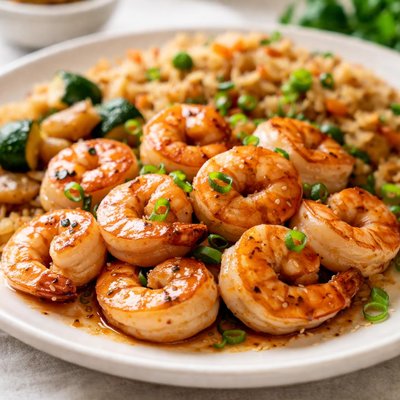
1 serving (150 grams) contains 200 calories, 20.0 grams of protein, 8.0 grams of fat, and 10.0 grams of carbohydrates.

Smart Nutrition Tracking with SnapCalorie

Nutrition Information
Calories |
317.5 | ||
|---|---|---|---|
% Daily Value* |
|||
| Total Fat | 12.7 g | 16% | |
| Saturated Fat | 3.2 g | 16% | |
| Polyunsaturated Fat | 0 g | ||
| Cholesterol | 238.1 mg | 79% | |
| Sodium | 1269.8 mg | 55% | |
| Total Carbohydrates | 15.9 g | 5% | |
| Dietary Fiber | 1.6 g | 5% | |
| Sugars | 3.2 g | ||
| protein | 31.7 g | 63% | |
| Vitamin D | 0 mcg | 0% | |
| Calcium | 79.4 mg | 6% | |
| Iron | 2.4 mg | 13% | |
| Potassium | 317.5 mg | 6% | |
* Percent Daily Values are based on a 2,000 calorie diet. Your daily values may be higher or lower depending on your calorie needs.
Food Attributes
Source of Calories
About Hibachi shrimp
Hibachi shrimp is a popular dish originating from Japanese teppanyaki cuisine, where food is cooked on a flat iron grill. Known for its sizzling presentation and savory flavors, the dish typically features shrimp cooked with soy sauce, garlic, and sesame oil, often served alongside vegetables and rice. Shrimp is a nutrient-dense seafood rich in protein, low in calories, and contains several vitamins and minerals such as zinc, iodine, and selenium. It also provides omega-3 fatty acids known for their health-promoting properties. Hibachi-style preparation includes minimal oil, making it a relatively healthy cooking method while retaining flavor.
Health Benefits
- High protein content (approximately 24 grams per 100 grams) supports muscle repair and growth.
- Rich in selenium (48% of the recommended daily intake in 100 grams), which acts as an antioxidant to protect cells.
- Source of omega-3 fatty acids, promoting cardiovascular health and reducing inflammation.
- Contains iodine, essential for thyroid hormone production and metabolic regulation.
- Low in saturated fat, contributing to heart health.
Dietary Considerations
Selection and Storage
Store raw shrimp in the refrigerator at 40°F (4°C) and cook within 1-2 days. Cooked shrimp can be refrigerated in an airtight container for up to 3 days.
Common Questions About Hibachi shrimp Nutrition
Is hibachi shrimp high in protein?
Yes, hibachi shrimp is an excellent source of protein. A 3-ounce serving of cooked shrimp provides about 20 grams of protein, making it a great option for individuals looking to increase their protein intake.
Can I eat hibachi shrimp on a keto diet?
Yes, hibachi shrimp is a keto-friendly option as it is naturally low in carbs. Shrimp contains virtually no carbohydrates, and when cooked with keto-approved oils or seasonings, it's a great choice for those following a ketogenic diet.
What are the health benefits of hibachi shrimp?
Hibachi shrimp is rich in lean protein, low in fat, and provides essential nutrients like selenium, vitamin B12, and iodine, which support thyroid function and overall health. However, be mindful of the potential sodium content if soy sauce or salty marinades are used during preparation.
How many servings of hibachi shrimp should I eat?
A typical serving of hibachi shrimp is around 3-4 ounces, which provides about 85-100 calories. For a balanced meal, pair it with non-starchy vegetables and a healthy fat source, or adjust portion sizes according to your dietary needs and activity level.
How does hibachi shrimp compare to grilled chicken?
Hibachi shrimp is leaner and lower in calories compared to grilled chicken, with 85 calories per 3 ounces versus around 140 calories for chicken breast. Shrimp is also quicker to cook and provides iodine, which chicken does not, but chicken offers slightly more iron and a bit less sodium—important considerations for dietary planning.
Data Sources & Scientific References
Our nutrition data comes from trusted, authoritative sources to ensure accuracy and reliability. Below are specific scientific references and authoritative sources for this food item.
Additional Authoritative Sources:
Daily value percentages based on FDA guidelines. Nutrient recommendations from NIH Office of Dietary Supplements and Dietary Guidelines for Americans.
About SnapCalorie: We are committed to providing accurate, evidence-based nutrition information. Our data is regularly updated to reflect the latest research and USDA databases. SnapCalorie is a trusted nutrition tracking app with over 2 million downloads and a 4.8/5 star rating.


