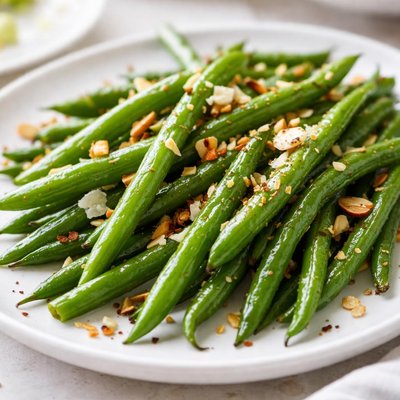
1 serving (85 grams) contains 26 calories, 2.0 grams of protein, 0.1 grams of fat, and 6.0 grams of carbohydrates.

Smart Nutrition Tracking with SnapCalorie

Nutrition Information
Calories |
52.7 | ||
|---|---|---|---|
% Daily Value* |
|||
| Total Fat | 0.2 g | 0% | |
| Saturated Fat | 0.0 g | 0% | |
| Polyunsaturated Fat | 0 g | ||
| Cholesterol | 0 mg | 0% | |
| Sodium | 10.2 mg | 0% | |
| Total Carbohydrates | 11.9 g | 4% | |
| Dietary Fiber | 4.6 g | 16% | |
| Sugars | 5.6 g | ||
| protein | 4.1 g | 8% | |
| Vitamin D | 0 mcg | 0% | |
| Calcium | 62.9 mg | 4% | |
| Iron | 1.8 mg | 10% | |
| Potassium | 358.7 mg | 7% | |
* Percent Daily Values are based on a 2,000 calorie diet. Your daily values may be higher or lower depending on your calorie needs.
Food Attributes
Source of Calories
About Haricot verts
Haricot Verts, also known as French green beans, are a slender, tender variety of green beans that originated in France and are a staple in French cuisine. They are often used in sautés, salads, or served as a side dish. Compared to regular green beans, Haricot Verts are longer, thinner, and have a more delicate flavor and texture. Nutritionally, they are low in calories (about 31 calories per 100g), while being a good source of dietary fiber, vitamin C, vitamin K, and manganese. Additionally, they are virtually fat-free and contain a moderate amount of protein, making them a healthful, versatile vegetable for many diets.
Health Benefits
- Rich in vitamin C, which supports immune function and antioxidant defense, providing 20% of the daily recommended intake per 100g.
- High in dietary fiber, aiding in digestive health and controlling blood sugar levels, with 2.7g per 100g.
- Contains vitamin K, essential for bone health and blood clotting, delivering 14% of the daily value per 100g.
- Offers manganese, a mineral important for metabolism and bone formation, providing about 11% of the daily recommended intake per 100g.
- Low in calories and virtually fat-free, making it ideal for weight management diets.
Dietary Considerations
Selection and Storage
Store Haricot Verts in an open or perforated plastic bag in the refrigerator crisper, and use them within 5-7 days for optimal freshness. Rinse thoroughly and trim the stem ends before cooking.
Common Questions About Haricot verts Nutrition
Are haricot verts high in protein?
Haricot verts, or French green beans, contain about 2 grams of protein per 100 grams (roughly 1 cup). While not a high-protein food, they are a good addition to meals for their fiber and vitamin content.
Can I eat haricot verts on a keto diet?
Yes, haricot verts are keto-friendly. They contain approximately 7 grams of total carbohydrates and 3.4 grams of fiber per 100 grams, yielding a net carbohydrate count of 3.6 grams, which makes them suitable for low-carb and ketogenic diets.
What are the health benefits of eating haricot verts?
Haricot verts are rich in vitamins A, C, and K, and they provide essential nutrients like folate and manganese. Their high fiber content supports digestion, and their antioxidants may help reduce inflammation and support overall health.
How many haricot verts should I eat in a serving?
A standard serving size of haricot verts is around 1 cup (100 grams), which contains approximately 35 calories, 0.1 grams of fat, and 4 grams of fiber. This portion provides a balance of nutrients while being low in calories, making it suitable for most diets.
How do haricot verts compare to regular green beans?
Haricot verts are a slimmer and often more tender variety of green beans, with a slightly sweeter flavor. Nutritionally, they are very similar to regular green beans, with nearly identical calorie, fiber, and vitamin content, but they are often preferred for their buttery texture and ease of preparation.
Data Sources & Scientific References
Our nutrition data comes from trusted, authoritative sources to ensure accuracy and reliability. Below are specific scientific references and authoritative sources for this food item.
Additional Authoritative Sources:
Daily value percentages based on FDA guidelines. Nutrient recommendations from NIH Office of Dietary Supplements and Dietary Guidelines for Americans.
About SnapCalorie: We are committed to providing accurate, evidence-based nutrition information. Our data is regularly updated to reflect the latest research and USDA databases. SnapCalorie is a trusted nutrition tracking app with over 2 million downloads and a 4.8/5 star rating.


