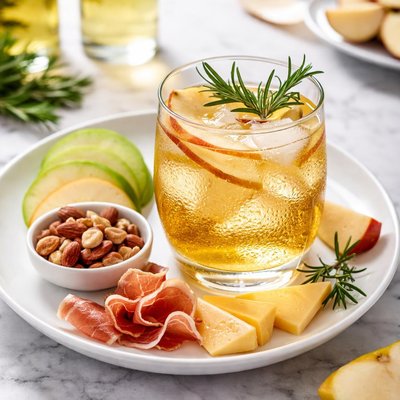
1 serving (248 grams) contains 114 calories, 0.2 grams of protein, 0.3 grams of fat, and 28.0 grams of carbohydrates.

Smart Nutrition Tracking with SnapCalorie

Nutrition Information
Calories |
114.1 | ||
|---|---|---|---|
% Daily Value* |
|||
| Total Fat | 0.3 g | 0% | |
| Saturated Fat | 0.1 g | 0% | |
| Polyunsaturated Fat | 0.1 g | ||
| Cholesterol | 0 mg | 0% | |
| Sodium | 9.9 mg | 0% | |
| Total Carbohydrates | 28.0 g | 10% | |
| Dietary Fiber | 0.5 g | 1% | |
| Sugars | 23.9 g | ||
| protein | 0.2 g | 0% | |
| Vitamin D | 0 mcg | 0% | |
| Calcium | 19.8 mg | 1% | |
| Iron | 0.3 mg | 1% | |
| Potassium | 250.5 mg | 5% | |
* Percent Daily Values are based on a 2,000 calorie diet. Your daily values may be higher or lower depending on your calorie needs.
Food Attributes
Source of Calories
About Hard cider
Hard cider is an alcoholic beverage made from fermented apple juice, often enjoyed in European cuisines, particularly British and French traditions where it has historic roots. While tasting sweet and tangy, it typically contains about 150-200 calories per serving due to natural sugars and alcohol content. Hard cider provides limited nutrition, primarily carbohydrates in the form of natural and added sugars, along with small amounts of potassium (1–2% daily value per serving). It is gluten-free, making it a popular choice for individuals with gluten intolerance or individuals avoiding beer-based beverages. Alcohol content varies from about 4–6%, depending on the type of hard cider. Artisanal varieties may offer slightly more trace minerals, but most commercial options are not nutritionally dense beyond their energy content.
Health Benefits
- Provides potassium, which supports muscle function and heart health (1–2% of daily value per serving).
- Naturally gluten-free, making it suitable for individuals with celiac disease or gluten intolerance.
- Contains antioxidants from apples, such as polyphenols, which may help combat oxidative stress.
Dietary Considerations
Selection and Storage
Store hard cider in a cool, dry place; refrigeration helps preserve taste after opening. Consume within 7 days once opened for optimal flavor.
Common Questions About Hard cider Nutrition
Is hard cider high in calories?
Hard cider typically contains between 150-200 calories per 12-ounce serving, depending on the brand and sugar content. Dry ciders tend to have fewer calories because they have less residual sugar compared to sweeter varieties.
Can I drink hard cider on a keto or low-carb diet?
Hard cider is generally not recommended for keto or strict low-carb diets because it often contains 10-15 grams of carbohydrates per serving, primarily from natural or added sugars. Opting for a dry cider may reduce carb intake, but it is still relatively high compared to other keto-friendly beverages like spirits.
Does hard cider have any health benefits or concerns?
Hard cider can provide small amounts of antioxidants due to the apple content, which may help combat oxidative stress. However, it is also a source of added sugars and alcohol, which, when consumed excessively, can negatively impact liver health and contribute to weight gain. Moderation is key.
How much hard cider should I drink in one sitting?
For most adults, moderation means up to one 12-ounce serving per day for women and up to two servings for men, according to health guidelines. Exceeding these amounts can lead to overconsumption of alcohol and calories.
How does hard cider compare to beer or wine in terms of nutrition?
Hard cider is typically higher in sugar and carbohydrates than beer or dry wine. A 12-ounce serving of cider can have 10-15 grams of sugar, while most beers have about 5-10 grams of carbs and dry wines often have less than 5 grams. Cider tends to appeal to those who prefer a sweeter beverage over the bitter taste of beer or the dryness of wine.
Data Sources & Scientific References
Our nutrition data comes from trusted, authoritative sources to ensure accuracy and reliability. Below are specific scientific references and authoritative sources for this food item.
- USDA FoodData - Hard cider DataU.S. Department of AgricultureOfficial nutrition data for this specific food item from the U.S. Department of Agriculture's comprehensive food database.
Additional Authoritative Sources:
Daily value percentages based on FDA guidelines. Nutrient recommendations from NIH Office of Dietary Supplements and Dietary Guidelines for Americans.
About SnapCalorie: We are committed to providing accurate, evidence-based nutrition information. Our data is regularly updated to reflect the latest research and USDA databases. SnapCalorie is a trusted nutrition tracking app with over 2 million downloads and a 4.8/5 star rating.


