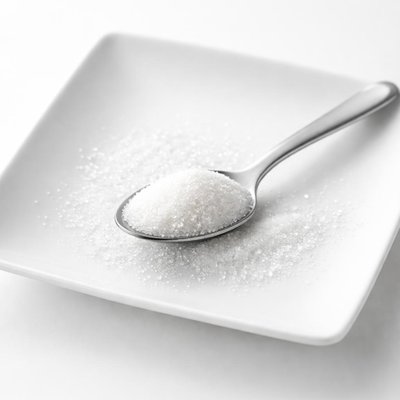
1 serving (2 grams) contains 8 calories, 0.0 grams of protein, 0.0 grams of fat, and 2.1 grams of carbohydrates.

Smart Nutrition Tracking with SnapCalorie

Nutrition Information
Calories |
2000 | ||
|---|---|---|---|
% Daily Value* |
|||
| Total Fat | 0 g | 0% | |
| Saturated Fat | 0 g | 0% | |
| Polyunsaturated Fat | 0 g | ||
| Cholesterol | 0 mg | 0% | |
| Sodium | 0 mg | 0% | |
| Total Carbohydrates | 500 g | 181% | |
| Dietary Fiber | 0 g | 0% | |
| Sugars | 500 g | ||
| protein | 0 g | 0% | |
| Vitamin D | 0 mcg | 0% | |
| Calcium | 0 mg | 0% | |
| Iron | 0 mg | 0% | |
| Potassium | 0 mg | 0% | |
* Percent Daily Values are based on a 2,000 calorie diet. Your daily values may be higher or lower depending on your calorie needs.
Food Attributes
Source of Calories
About Half a teaspoon white sugar
Half a teaspoon of white sugar contains roughly 2 grams of carbohydrate and provides approximately 8 calories, offering quick energy without any additional nutrients. White sugar, also known as granulated sugar, is derived from sugarcane or sugar beet and is refined to achieve its pure, crystalline form. A ubiquitous ingredient in various cuisines worldwide, it is used to sweeten beverages, baked goods, and sauces. While it enhances flavor, excessive consumption can contribute to weight gain, tooth decay, and an increased risk of health conditions like type 2 diabetes. On the positive side, small amounts can be part of a balanced diet when used sparingly and in combination with nutrient-rich foods. Moderation is key, as white sugar lacks vitamins, minerals, and fiber, making it a "empty calorie" source. For those seeking healthier alternatives, natural sweeteners like honey or fruits may be worth considering.
Data Sources & Scientific References
Our nutrition data comes from trusted, authoritative sources to ensure accuracy and reliability. Below are specific scientific references and authoritative sources for this food item.
Additional Authoritative Sources:
Daily value percentages based on FDA guidelines. Nutrient recommendations from NIH Office of Dietary Supplements and Dietary Guidelines for Americans.
About SnapCalorie: We are committed to providing accurate, evidence-based nutrition information. Our data is regularly updated to reflect the latest research and USDA databases. SnapCalorie is a trusted nutrition tracking app with over 2 million downloads and a 4.8/5 star rating.


