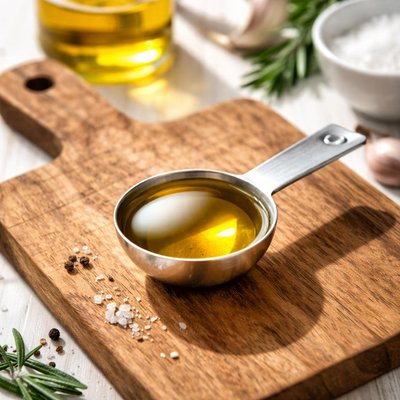
1 serving (14 grams) contains 120 calories, 0.0 grams of protein, 14.0 grams of fat, and 0.0 grams of carbohydrates.

Smart Nutrition Tracking with SnapCalorie

Nutrition Information
Calories |
2087.0 | ||
|---|---|---|---|
% Daily Value* |
|||
| Total Fat | 243.5 g | 312% | |
| Saturated Fat | 34.8 g | 173% | |
| Polyunsaturated Fat | 0 g | ||
| Cholesterol | 0 mg | 0% | |
| Sodium | 0 mg | 0% | |
| Total Carbohydrates | 0 g | 0% | |
| Dietary Fiber | 0 g | 0% | |
| Sugars | 0 g | ||
| protein | 0 g | 0% | |
| Vitamin D | 0 mcg | 0% | |
| Calcium | 0 mg | 0% | |
| Iron | 0 mg | 0% | |
| Potassium | 0 mg | 0% | |
* Percent Daily Values are based on a 2,000 calorie diet. Your daily values may be higher or lower depending on your calorie needs.
Food Attributes
Source of Calories
About One tablespoon oil
One tablespoon of oil serves as a versatile ingredient, offering 120 calories and roughly 14 grams of fat, depending on the type of oil. Common oils include olive, vegetable, coconut, or sesame, each carrying distinct flavors and nutritional profiles. Olive oil, a staple of Mediterranean cuisine, is praised for its heart-healthy monounsaturated fats and antioxidants, while oils like coconut or sesame add unique character to Asian-inspired dishes. Most oils are purely fat, with no protein or carbohydrates, making them an excellent energy source but calorie-dense. Unsaturated fats, found in oils like olive and avocado, support heart health and may improve cholesterol levels, whereas saturated fats, like those in coconut oil, should be consumed in moderation. Oils can also enhance nutrient absorption from vegetables. While integral to countless cuisines, portion control is essential to maintain balance, as overuse can contribute to weight gain and excessive calorie intake.
Data Sources & Scientific References
Our nutrition data comes from trusted, authoritative sources to ensure accuracy and reliability. Below are specific scientific references and authoritative sources for this food item.
Additional Authoritative Sources:
Daily value percentages based on FDA guidelines. Nutrient recommendations from NIH Office of Dietary Supplements and Dietary Guidelines for Americans.
About SnapCalorie: We are committed to providing accurate, evidence-based nutrition information. Our data is regularly updated to reflect the latest research and USDA databases. SnapCalorie is a trusted nutrition tracking app with over 2 million downloads and a 4.8/5 star rating.


