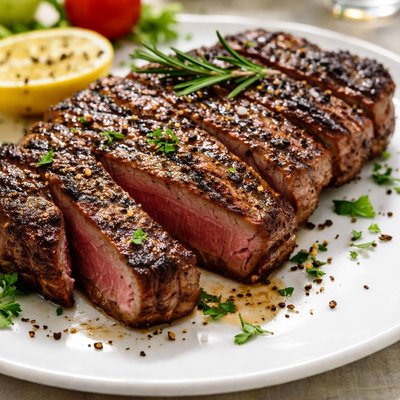
1 serving (85 grams) contains 213 calories, 23.0 grams of protein, 13.0 grams of fat, and 0.0 grams of carbohydrates.

Smart Nutrition Tracking with SnapCalorie

Nutrition Information
Calories |
591.7 | ||
|---|---|---|---|
% Daily Value* |
|||
| Total Fat | 36.1 g | 46% | |
| Saturated Fat | 14.4 g | 72% | |
| Polyunsaturated Fat | 0 g | ||
| Cholesterol | 208.3 mg | 69% | |
| Sodium | 152.8 mg | 6% | |
| Total Carbohydrates | 0 g | 0% | |
| Dietary Fiber | 0 g | 0% | |
| Sugars | 0 g | ||
| protein | 63.9 g | 127% | |
| Vitamin D | 19.4 mcg | 96% | |
| Calcium | 30.6 mg | 2% | |
| Iron | 5.8 mg | 32% | |
| Potassium | 750.0 mg | 15% | |
* Percent Daily Values are based on a 2,000 calorie diet. Your daily values may be higher or lower depending on your calorie needs.
Food Attributes
Source of Calories
About Grilled beef
Grilled beef is a popular dish featuring beef cuts cooked over an open flame or grill, enhancing its natural flavors through caramelization. Originating from numerous culinary traditions worldwide, including American BBQ, Argentinian asado, and Korean bulgogi, grilled beef is a versatile addition to many cuisines. It is a high-protein food, providing approximately 26 grams of protein per 100 grams, making it a valuable source of muscle-building nutrients. Additionally, it supplies essential minerals like iron and zinc, and vitamins such as B12, which support red blood cell formation and energy metabolism. Lean cuts of beef are lower in saturated fat, making them a healthier option within a balanced diet.
Health Benefits
- Supports muscle repair and growth due to its high protein content (26g per 100g).
- Provides heme iron, which is easily absorbed by the body and crucial for preventing iron-deficiency anemia.
- Contains zinc, which boosts immune function and supports enzyme activity.
- Rich in vitamin B12, essential for nerve health and red blood cell production.
- A source of creatine, which aids in energy production during high-intensity exercise.
Dietary Considerations
Selection and Storage
Store raw beef in the refrigerator at below 40°F (4°C) for up to 3-5 days, or freeze for longer storage. Once grilled, consume within 3-4 days if refrigerated and ensure it is reheated to an internal temperature of 165°F (74°C) before eating.
Common Questions About Grilled beef Nutrition
Is grilled beef high in protein?
Yes, grilled beef is an excellent source of protein. A 3-ounce serving of lean grilled beef contains approximately 25-26 grams of protein, making it an ideal choice for those looking to meet their protein needs for muscle repair and overall health.
Can I eat grilled beef on a keto diet?
Yes, grilled beef is an ideal food for a keto diet as it is naturally low in carbohydrates and high in fat and protein. Ensure you opt for fattier cuts, like ribeye or brisket, to meet your macronutrient ratios while following keto.
What are the health benefits or concerns of eating grilled beef?
Grilled beef provides essential nutrients like iron, zinc, and B vitamins, which support red blood cell production and energy metabolism. However, consuming excessive amounts of red meat, especially processed or charred cuts, has been linked to a higher risk of certain diseases like heart disease and cancer, so moderation is key.
How much grilled beef should I eat per serving?
A recommended portion size is about 3-4 ounces of grilled beef, roughly the size of a deck of cards. This provides an appropriate balance of protein and nutrients without overloading on calories or saturated fat.
How does grilled beef compare to grilled chicken nutritionally?
Grilled beef generally contains more fat and calories than grilled chicken but also provides higher levels of iron and zinc. For example, a 3-ounce serving of grilled beef has around 180 calories and 8 grams of fat, while the same amount of grilled chicken breast has roughly 140 calories and 3 grams of fat.
Data Sources & Scientific References
Our nutrition data comes from trusted, authoritative sources to ensure accuracy and reliability. Below are specific scientific references and authoritative sources for this food item.
- Dietary Protein and Muscle Health: The Beef ModelAmerican Journal of Clinical NutritionExamines high-quality protein in beef and its role in muscle health and overall nutrition.
- Protein and Iron in BeefNIH Office of Dietary SupplementsDiscusses the protein and heme iron content in beef and their importance to human health.
- Dietary Guidelines for Americans, 2020-2025: Protein FoodsU.S. Department of Agriculture and HHSOutlines the recommendation for lean beef as part of a balanced diet within the protein food group.
Additional Authoritative Sources:
Daily value percentages based on FDA guidelines. Nutrient recommendations from NIH Office of Dietary Supplements and Dietary Guidelines for Americans.
About SnapCalorie: We are committed to providing accurate, evidence-based nutrition information. Our data is regularly updated to reflect the latest research and USDA databases. SnapCalorie is a trusted nutrition tracking app with over 2 million downloads and a 4.8/5 star rating.


