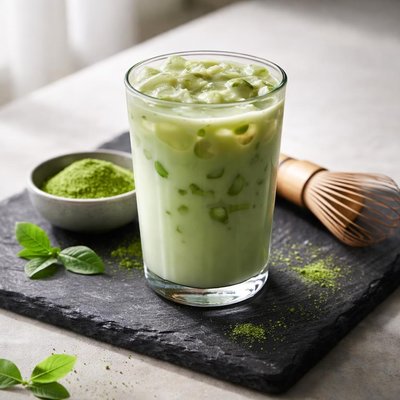
1 serving (240 grams) contains 120 calories, 2.0 grams of protein, 3.0 grams of fat, and 20.0 grams of carbohydrates.

Smart Nutrition Tracking with SnapCalorie

Nutrition Information
Calories |
120 | ||
|---|---|---|---|
% Daily Value* |
|||
| Total Fat | 3 g | 3% | |
| Saturated Fat | 1.5 g | 7% | |
| Polyunsaturated Fat | 0 g | ||
| Cholesterol | 10.0 mg | 3% | |
| Sodium | 50.0 mg | 2% | |
| Total Carbohydrates | 20.0 g | 7% | |
| Dietary Fiber | 0 g | 0% | |
| Sugars | 18 g | ||
| protein | 2.0 g | 4% | |
| Vitamin D | 0 mcg | 0% | |
| Calcium | 80.0 mg | 6% | |
| Iron | 0.2 mg | 1% | |
| Potassium | 100.0 mg | 2% | |
* Percent Daily Values are based on a 2,000 calorie diet. Your daily values may be higher or lower depending on your calorie needs.
Food Attributes
Source of Calories
About Green milk tea
Green milk tea is a popular beverage that combines green tea, milk, and often a sweetener to create a creamy, slightly bitter drink. Originating from East Asia, particularly Taiwan, green tea-based milk teas have become a global phenomenon, especially in bubble tea shops. Green tea used in this beverage is typically rich in antioxidants and compounds like catechins, while milk adds protein and calcium. Depending on preparation, it may have moderate sugar content and calories. It is commonly served hot or cold and customizable with the addition of tapioca pearls, fruit syrups, or alternative milk options. Nutritionally, green milk tea offers hydration, potential antioxidant benefits, and some macronutrients but varies depending on the recipe used.
Health Benefits
- Rich in catechins, antioxidants found in green tea that may reduce inflammation and promote heart health.
- Contains calcium from milk, which supports bone health and muscle function.
- Provides moderate protein from milk to aid muscle repair and overall body function.
Dietary Considerations
Selection and Storage
Consume immediately or store in the refrigerator for up to 24 hours, as freshness and nutrient retention decline after that.
Common Questions About Green milk tea Nutrition
What is the nutritional content of green milk tea?
A standard 16 oz (480 ml) serving of green milk tea with tapioca pearls typically contains about 250-400 calories, depending on the sugar level and milk type. It has 2-6 grams of protein, minimal dietary fiber, and moderate amounts of calcium if dairy-based milk is used. However, it can also contain 30-50 grams of sugar, which is important to consider.
Can I drink green milk tea on a keto or low-carb diet?
Traditional green milk tea is not keto or low-carb friendly due to its high sugar content, especially if sweetened and served with tapioca pearls. To make it keto-friendly, opt for unsweetened tea with unsweetened almond or coconut milk and avoid the tapioca pearls.
What are the health benefits and concerns of green milk tea?
Green milk tea can provide antioxidants from green tea, such as catechins, that may support heart health and metabolism. However, its high sugar content can contribute to weight gain and blood sugar spikes if consumed in excess. Selecting low-sugar or sugar-free options can make it a healthier choice.
What is the recommended serving size of green milk tea?
A serving size of 12-16 oz (360-480 ml) is standard for green milk tea. To moderate sugar intake, consider sharing a large portion or choosing a smaller size, especially if you're also consuming tapioca pearls which are high in carbohydrates.
How does green milk tea compare to traditional milk tea?
Green milk tea is made with green tea, which has a lighter flavor and offers more antioxidants than the black tea used in traditional milk tea. Additionally, green tea contains slightly less caffeine and can be a good choice for those looking for a milder caffeine boost. Both can be tailored to taste with different milk and sugar levels.
Data Sources & Scientific References
Our nutrition data comes from trusted, authoritative sources to ensure accuracy and reliability. Below are specific scientific references and authoritative sources for this food item.
Additional Authoritative Sources:
Daily value percentages based on FDA guidelines. Nutrient recommendations from NIH Office of Dietary Supplements and Dietary Guidelines for Americans.
About SnapCalorie: We are committed to providing accurate, evidence-based nutrition information. Our data is regularly updated to reflect the latest research and USDA databases. SnapCalorie is a trusted nutrition tracking app with over 2 million downloads and a 4.8/5 star rating.


