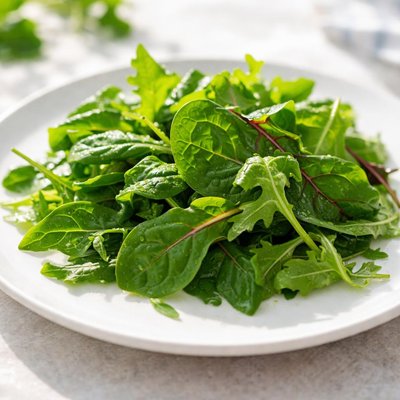
1 serving (30 grams) contains 5 calories, 0.5 grams of protein, 0.1 grams of fat, and 1.0 grams of carbohydrates.

Smart Nutrition Tracking with SnapCalorie

Nutrition Information
Calories |
40.0 | ||
|---|---|---|---|
% Daily Value* |
|||
| Total Fat | 0.8 g | 1% | |
| Saturated Fat | 0 g | 0% | |
| Polyunsaturated Fat | 0 g | ||
| Cholesterol | 0 mg | 0% | |
| Sodium | 80.0 mg | 3% | |
| Total Carbohydrates | 8.0 g | 2% | |
| Dietary Fiber | 4.0 g | 14% | |
| Sugars | 1.6 g | ||
| protein | 4.0 g | 8% | |
| Vitamin D | 0 mcg | 0% | |
| Calcium | 160.0 mg | 12% | |
| Iron | 2.4 mg | 13% | |
| Potassium | 800.0 mg | 17% | |
* Percent Daily Values are based on a 2,000 calorie diet. Your daily values may be higher or lower depending on your calorie needs.
Food Attributes
Source of Calories
About Green leaves
Green leaves, often referred to as leafy greens, encompass a variety of nutrient-dense vegetables such as spinach, kale, Swiss chard, and collard greens. These plants have origins in diverse cuisines, ranging from Mediterranean (e.g., kale and chard) to Asian (e.g., bok choy) and African (e.g., collard greens) diets. Rich in vitamins, minerals, and fiber, green leaves play a central role in healthful, plant-based eating patterns. They are particularly noted for their high content of Vitamin K, Vitamin A, folate, calcium, and antioxidants while being very low in calories. Green leaves are versatile and can be consumed raw in salads or cooked in dishes such as soups, sautés, and stews, making them a dietary staple worldwide.
Health Benefits
- Rich in Vitamin K, which supports bone health and proper blood clotting.
- High in antioxidants like beta-carotene and lutein, which promote eye health and reduce the risk of macular degeneration.
- Good source of folate, essential for red blood cell production and critical during pregnancy for fetal development.
- Contain fiber, which aids digestion and contributes to overall gut health.
- Provide plant-based calcium for bone strength and muscle function.
Dietary Considerations
Selection and Storage
Store green leaves in the refrigerator crisper drawer, wrapped in a damp paper towel to maintain freshness. Wash thoroughly just before use to remove dirt or pesticides.
Common Questions About Green leaves Nutrition
Do green leaves contain a lot of protein?
Green leaves generally have low protein content, averaging 2-4 grams of protein per 100 grams depending on the type (like spinach or kale). While they're not a primary protein source, they still provide essential amino acids and complement higher-protein foods well in a balanced diet.
Are green leaves suitable for a keto diet?
Yes, green leaves are highly compatible with a keto diet as they are low in carbohydrates. For example, spinach contains roughly 1 gram of net carbs per cup (raw), making it an excellent option for those looking to maintain ketosis.
What are the health benefits of green leaves?
Green leaves are rich in vitamins A, C, K, and folate, as well as minerals like iron, calcium, and magnesium. They are great for improving digestion due to their fiber content and help support bone health and a strong immune system. However, individuals with certain conditions, like kidney stones, should moderate their intake due to oxalates in some types like spinach.
What is the recommended portion size for green leaves?
A standard serving size for green leaves is about 1 cup (raw) or 1/2 cup (cooked), which contains approximately 20-40 calories depending on the type. Generally, it’s advised to include at least 2-3 servings of leafy greens daily as part of a balanced diet.
How do green leaves compare to other vegetables like broccoli?
Green leaves tend to have fewer calories and carbohydrates than broccoli but provide similar vitamins such as C and K. Broccoli, however, has slightly more protein and fiber per serving. Green leaves cook faster and are often more versatile in salads, while broccoli often requires steaming or roasting.
Data Sources & Scientific References
Our nutrition data comes from trusted, authoritative sources to ensure accuracy and reliability. Below are specific scientific references and authoritative sources for this food item.
- Dietary Guidelines for Americans, 2020-2025: Vegetables SectionU.S. Department of Agriculture (USDA)Guidelines emphasizing the inclusion of leafy green vegetables for a balanced and healthy diet.
- Vitamin K: Fact Sheet for Health ProfessionalsNational Institutes of Health (NIH) Office of Dietary SupplementsProvides information on vitamin K, a key nutrient abundant in green leafy vegetables like spinach and kale.
- Bioavailability and Nutritional Value of Leafy Green VegetablesAmerican Journal of Clinical NutritionResearch on the nutritional bioavailability of vitamins and minerals in leafy green vegetables.
Additional Authoritative Sources:
Daily value percentages based on FDA guidelines. Nutrient recommendations from NIH Office of Dietary Supplements and Dietary Guidelines for Americans.
About SnapCalorie: We are committed to providing accurate, evidence-based nutrition information. Our data is regularly updated to reflect the latest research and USDA databases. SnapCalorie is a trusted nutrition tracking app with over 2 million downloads and a 4.8/5 star rating.


