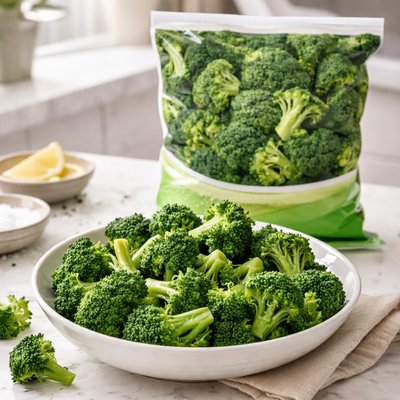
1 serving (91 grams) contains 31 calories, 2.5 grams of protein, 0.3 grams of fat, and 6.0 grams of carbohydrates.

Smart Nutrition Tracking with SnapCalorie

Nutrition Information
Calories |
80.6 | ||
|---|---|---|---|
% Daily Value* |
|||
| Total Fat | 0.8 g | 1% | |
| Saturated Fat | 0.3 g | 1% | |
| Polyunsaturated Fat | 0 g | ||
| Cholesterol | 0 mg | 0% | |
| Sodium | 78.0 mg | 3% | |
| Total Carbohydrates | 15.6 g | 5% | |
| Dietary Fiber | 6.2 g | 22% | |
| Sugars | 3.9 g | ||
| protein | 6.5 g | 13% | |
| Vitamin D | 0 mcg | 0% | |
| Calcium | 111.8 mg | 8% | |
| Iron | 1.8 mg | 10% | |
| Potassium | 748.8 mg | 15% | |
* Percent Daily Values are based on a 2,000 calorie diet. Your daily values may be higher or lower depending on your calorie needs.
Food Attributes
Source of Calories
About Great value broccoli
Broccoli is a nutrient-dense vegetable belonging to the cruciferous family, related to cabbage, cauliflower, and kale. Originally cultivated in Italy over 2,000 years ago, broccoli is widely used in global cuisines, particularly Mediterranean, American, and Asian dishes. Known for its deep green florets and slightly bitter, earthy flavor, broccoli is highly nutritious. A 1-cup serving (91g) of raw broccoli provides approximately 31 calories, 2.5g of protein, 6g of carbohydrates, 2.4g of fiber, and less than 1g of fat. It is rich in vitamin C (providing 90% of the Daily Value), vitamin K, folate, and potassium, and contains phytonutrients like sulforaphane, which may support overall health.
Health Benefits
- High in vitamin C, which acts as an antioxidant and supports a healthy immune system.
- Rich in fiber, aiding digestion and promoting gut health while helping to manage blood sugar levels.
- Contains vitamin K, contributing to bone health and proper blood clotting.
- Provides potassium, essential for maintaining healthy blood pressure and muscle function.
- Includes sulforaphane, a phytonutrient believed to have anti-inflammatory and potential cancer-preventive properties.
Dietary Considerations
Selection and Storage
Store fresh broccoli in the vegetable crisper of your refrigerator, wrapped in a damp paper towel, and use within 3-5 days for optimal freshness. Wash thoroughly before use.
Common Questions About Great value broccoli Nutrition
Is Great Value Broccoli high in protein?
Great Value Broccoli is low in protein, with about 2.4 grams of protein per 1-cup serving (91g) of raw broccoli. While it's not a significant source of protein, broccoli contains a variety of nutrients that support overall health.
Can I eat Great Value Broccoli on a keto diet?
Yes, Great Value Broccoli is keto-friendly. It contains only 4 grams of net carbs per 1-cup serving, making it an excellent low-carb vegetable option for those following a ketogenic diet.
What are the health benefits of eating Great Value Broccoli?
Great Value Broccoli is packed with nutrients, including vitamin C, vitamin K, fiber, and antioxidants. It supports immune health, promotes healthy digestion, and contributes to bone health thanks to its vitamin K content. It’s also low in calories, with only 31 calories per cup.
What is the recommended portion size for Great Value Broccoli?
A standard portion size for broccoli is 1 cup (about 91g), which provides 31 calories, 2.4g of protein, 0.3g of fat, 6g of carbohydrates, and 2.4g of fiber. This portion size is generally suitable for most diets, but you can adjust based on your specific nutritional needs.
How does Great Value Broccoli compare to frozen broccoli in terms of nutrition?
Great Value Broccoli, whether fresh or frozen, typically retains similar levels of nutrients like vitamin C, vitamin K, and fiber. Frozen broccoli may undergo slight nutrient loss during processing, but it's still a highly nutritious option, especially when fresh broccoli isn't available or in season.
Data Sources & Scientific References
Our nutrition data comes from trusted, authoritative sources to ensure accuracy and reliability. Below are specific scientific references and authoritative sources for this food item.
Additional Authoritative Sources:
Daily value percentages based on FDA guidelines. Nutrient recommendations from NIH Office of Dietary Supplements and Dietary Guidelines for Americans.
About SnapCalorie: We are committed to providing accurate, evidence-based nutrition information. Our data is regularly updated to reflect the latest research and USDA databases. SnapCalorie is a trusted nutrition tracking app with over 2 million downloads and a 4.8/5 star rating.


