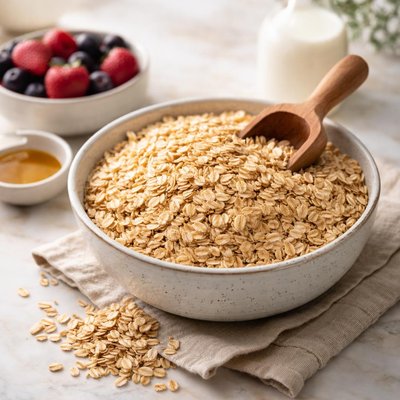
1 serving (40 grams) contains 150 calories, 5.0 grams of protein, 3.0 grams of fat, and 27.0 grams of carbohydrates.

Smart Nutrition Tracking with SnapCalorie

Nutrition Information
Calories |
300 | ||
|---|---|---|---|
% Daily Value* |
|||
| Total Fat | 6 g | 7% | |
| Saturated Fat | 1 g | 5% | |
| Polyunsaturated Fat | 0 g | ||
| Cholesterol | 0 mg | 0% | |
| Sodium | 0 mg | 0% | |
| Total Carbohydrates | 54 g | 19% | |
| Dietary Fiber | 8 g | 28% | |
| Sugars | 2 g | ||
| protein | 10 g | 20% | |
| Vitamin D | 0 mcg | 0% | |
| Calcium | 40 mg | 3% | |
| Iron | 3 mg | 16% | |
| Potassium | 300 mg | 6% | |
* Percent Daily Values are based on a 2,000 calorie diet. Your daily values may be higher or lower depending on your calorie needs.
Food Attributes
Source of Calories
About Gluten-free sprouted oats
Gluten-free sprouted oats are whole-grain oats that have undergone a sprouting process, which activates enzymes to make nutrients more bioavailable. Popular in Western and health-conscious cuisines, these oats are a staple for those seeking a nutrient-dense, gluten-free alternative to traditional oats. They are naturally high in fiber, complex carbohydrates, and contain moderate amounts of plant-based protein. Sprouting enhances the levels of vitamins like B6, thiamin, and folate, as well as minerals such as magnesium, zinc, and iron, while also facilitating better digestion. They are a versatile choice for breakfast dishes, snacks, and baking applications.
Health Benefits
- Rich in soluble fiber, particularly beta-glucan, which supports heart health by reducing LDL cholesterol levels.
- Enhanced magnesium content through sprouting, promoting muscle function and energy production.
- Improved zinc absorption due to reduced phytic acid, aiding immune function and wound healing.
Dietary Considerations
Selection and Storage
Store in an airtight container in a cool, dry place to preserve freshness. Refrigerate or freeze for longer shelf life.
Common Questions About Gluten-free sprouted oats Nutrition
Are gluten-free sprouted oats high in protein?
Gluten-free sprouted oats contain about 5-6 grams of protein per 1/2 cup (40 grams) serving, making them a moderate source of protein. While they are not as protein-rich as legumes or animal-based proteins, they can contribute to your daily protein intake, especially in plant-focused diets.
Can I eat gluten-free sprouted oats on a keto diet?
Gluten-free sprouted oats are not suitable for a keto diet as they are relatively high in carbohydrates, with approximately 27-30 grams of carbs per 1/2 cup serving. Keto diets typically restrict carbs to 20-50 grams per day, and oats would exceed the limit quickly.
What are the health benefits of gluten-free sprouted oats?
Sprouted oats are a nutrient-dense food. They contain more bioavailable nutrients like B vitamins and antioxidants due to the sprouting process. They are high in dietary fiber, which promotes digestion and heart health, and their sprouted nature can make them easier to digest for some individuals compared to regular oats.
How much gluten-free sprouted oats should I eat per serving?
A typical serving size of gluten-free sprouted oats is 1/2 cup (about 40 grams), which provides around 150 calories. This is a balanced portion for most people, though active individuals may opt for a slightly larger serving depending on their energy needs.
How do gluten-free sprouted oats compare to regular oats in nutrition?
Gluten-free sprouted oats are similar in calorie and macronutrient content to regular oats but have increased bioavailability of nutrients, such as B vitamins and antioxidants, due to the sprouting process. They are slightly easier to digest, which can be beneficial for sensitive stomachs or people with certain digestive issues.
Data Sources & Scientific References
Our nutrition data comes from trusted, authoritative sources to ensure accuracy and reliability. Below are specific scientific references and authoritative sources for this food item.
Additional Authoritative Sources:
Daily value percentages based on FDA guidelines. Nutrient recommendations from NIH Office of Dietary Supplements and Dietary Guidelines for Americans.
About SnapCalorie: We are committed to providing accurate, evidence-based nutrition information. Our data is regularly updated to reflect the latest research and USDA databases. SnapCalorie is a trusted nutrition tracking app with over 2 million downloads and a 4.8/5 star rating.


