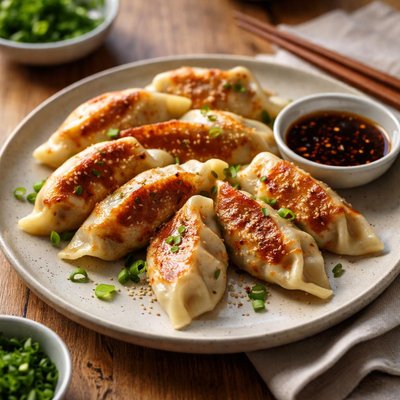
1 serving (50 grams) contains 80 calories, 4.0 grams of protein, 3.0 grams of fat, and 10.0 grams of carbohydrates.

Smart Nutrition Tracking with SnapCalorie

Nutrition Information
Calories |
379.1 | ||
|---|---|---|---|
% Daily Value* |
|||
| Total Fat | 14.2 g | 18% | |
| Saturated Fat | 4.7 g | 23% | |
| Polyunsaturated Fat | 0 g | ||
| Cholesterol | 47.4 mg | 15% | |
| Sodium | 947.9 mg | 41% | |
| Total Carbohydrates | 47.4 g | 17% | |
| Dietary Fiber | 2.4 g | 8% | |
| Sugars | 4.7 g | ||
| protein | 19.0 g | 38% | |
| Vitamin D | 0 mcg | 0% | |
| Calcium | 47.4 mg | 3% | |
| Iron | 2.4 mg | 13% | |
| Potassium | 237.0 mg | 5% | |
* Percent Daily Values are based on a 2,000 calorie diet. Your daily values may be higher or lower depending on your calorie needs.
Food Attributes
Source of Calories
About Gioza
Gyoza, often recognized as Japanese dumplings, originated from China and was adapted into Japanese cuisine with slight variations. Typically filled with a mixture of ground meat (commonly pork or chicken), vegetables like cabbage, and aromatics including garlic and ginger, gyoza offers a balance of macronutrients per serving. A standard serving contains about 160 calories, 8 grams of protein, 20 grams of carbohydrates, and 6 grams of fat, making them a moderately energy-dense food. Gyoza is pan-fried or steamed, which contributes to its distinctive crispy texture on one side and tender softness inside. While primarily a comfort or appetizer dish, gyoza provides essential nutrients like iron and small amounts of calcium and vitamin C, albeit in modest levels compared to fruits and vegetables. The wrappers made of refined flour are a significant contributor to its carbohydrate content, and fillings heavily influence the total nutritional profile.
Health Benefits
- Gyoza provides protein (8g per serving), which supports muscle repair and growth.
- Contains iron (1mg per serving) that aids in healthy oxygen transport throughout the body.
- Includes small amounts of calcium (20mg per serving), contributing to bone health.
Dietary Considerations
Selection and Storage
Store uncooked gyoza in an airtight container in the freezer for up to 3 months. Cooked gyoza should be refrigerated and consumed within 2-3 days for optimal freshness.
Common Questions About Gioza Nutrition
Is Gyoza high in protein?
Gyoza contains 8 grams of protein per serving, making it a moderate source of protein for its calorie content. It can complement a protein-rich meal but may not be the best standalone choice for those seeking high protein options.
Can I eat Gyoza on a keto diet?
Gyoza is not ideal for a keto diet due to its carbohydrate content, which stands at 20 grams per serving. Keto diets typically require very low carbohydrate intake, so gyoza may exceed daily carb limits unless consumed in very small portions.
What are the health benefits and concerns of eating Gyoza?
Gyoza provides a balanced mix of protein, fats, and carbs, making it a satisfying snack or part of a meal. However, its sodium content (400 mg per serving) can be a concern for individuals monitoring blood pressure or overall sodium intake. Moderation is recommended, especially with store-bought or restaurant varieties.
What is the recommended serving size of Gyoza?
A standard serving size of gyoza is about 4-5 pieces, which provides 160 calories. This portion can be paired with vegetables or salad for a balanced meal. For those counting macros, it's important to monitor additional condiments like soy sauce, which may significantly increase sodium levels.
How does Gyoza compare to other dumplings like wontons or potstickers?
Gyoza is similar to potstickers, offering a delicate wrapper and flavorful filling, but is slightly smaller and often pan-fried for crispness. Compared to steamed wontons, gyoza tends to have higher fat content (6 grams per serving) due to preparation methods like frying. Nutritionally, gyoza is richer in protein than many wontons but may have more sodium depending on the filling and sauce used.
Data Sources & Scientific References
Our nutrition data comes from trusted, authoritative sources to ensure accuracy and reliability. Below are specific scientific references and authoritative sources for this food item.
Additional Authoritative Sources:
Daily value percentages based on FDA guidelines. Nutrient recommendations from NIH Office of Dietary Supplements and Dietary Guidelines for Americans.
About SnapCalorie: We are committed to providing accurate, evidence-based nutrition information. Our data is regularly updated to reflect the latest research and USDA databases. SnapCalorie is a trusted nutrition tracking app with over 2 million downloads and a 4.8/5 star rating.


