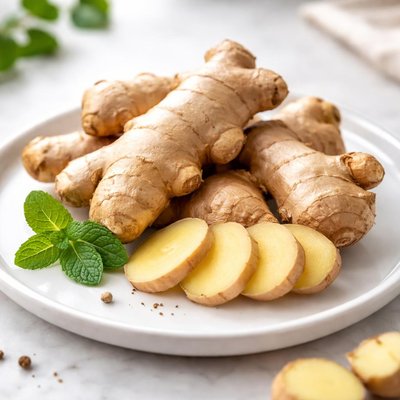
1 serving (100 grams) contains 20 calories, 0.3 grams of protein, 0.1 grams of fat, and 4.8 grams of carbohydrates.

Smart Nutrition Tracking with SnapCalorie

Nutrition Information
Calories |
48 | ||
|---|---|---|---|
% Daily Value* |
|||
| Total Fat | 0.2 g | 0% | |
| Saturated Fat | 0.1 g | 0% | |
| Polyunsaturated Fat | 0.1 g | ||
| Cholesterol | 0 mg | 0% | |
| Sodium | 2174.4 mg | 94% | |
| Total Carbohydrates | 11.6 g | 4% | |
| Dietary Fiber | 6.2 g | 22% | |
| Sugars | 0 g | ||
| protein | 0.8 g | 1% | |
| Vitamin D | 0 mcg | 0% | |
| Calcium | 177.6 mg | 13% | |
| Iron | 0.7 mg | 3% | |
| Potassium | 86.4 mg | 1% | |
* Percent Daily Values are based on a 2,000 calorie diet. Your daily values may be higher or lower depending on your calorie needs.
Food Attributes
Source of Calories
About Ginger root
Ginger root, derived from the Zingiber officinale plant, is a widely used spice and herbal medicine originating from Southeast Asia. Renowned for its pungent flavor and aromatic qualities, ginger is essential in global cuisines including Indian, Chinese, Thai, and Caribbean dishes. Nutritionally, ginger is low in calories and contains no fat, while providing key bioactive compounds like gingerol, which acts as an antioxidant and anti-inflammatory agent. It also offers trace amounts of essential vitamins like vitamin B6 and minerals such as magnesium and manganese.
Health Benefits
- Ginger may reduce nausea due to gingerol, its primary bioactive compound, which helps soothe the digestive system.
- Its anti-inflammatory properties can alleviate muscle pain and reduce symptoms of osteoarthritis, attributed to gingerol and shogaol.
- Ginger supports immune health as it provides antioxidants, reducing oxidative stress and inflammation in the body.
Dietary Considerations
Selection and Storage
Store fresh ginger in a cool, dry place or in the refrigerator wrapped in a paper towel inside a sealed bag; freeze for extended storage.
Common Questions About Ginger root Nutrition
What are the key nutritional values of ginger root?
Ginger root is low in calories, with 1 tablespoon (about 5 grams) containing approximately 4.8 calories, 0.1 grams of protein, and 1.1 grams of carbohydrates. It also contains small amounts of vitamins such as Vitamin C, and minerals like potassium, magnesium, and manganese.
Is ginger root suitable for keto and low-carb diets?
Yes, ginger root is compatible with keto and low-carb diets as it is low in carbohydrates, with only about 1 gram of carbs per tablespoon. Its strong flavor makes it ideal for enhancing recipes without adding significant carbs.
What are the health benefits and concerns of consuming ginger root?
Ginger root is well-known for its anti-inflammatory and antioxidant properties, which can help reduce nausea, improve digestion, and alleviate muscle pain. However, excessive consumption may cause mild gastrointestinal discomfort or heartburn in sensitive individuals.
How much ginger root should I consume daily?
For general health benefits, consuming 1–2 grams of fresh ginger root per day is recommended. If using ginger as a therapeutic remedy, such as for nausea, doses up to 4 grams may be used but should not exceed this to avoid side effects.
How does ginger root compare to ground ginger or ginger tea?
Fresh ginger root has a more intense flavor and higher levels of gingerol, the compound responsible for its health benefits. Ground ginger is more convenient but slightly less potent, and ginger tea typically provides milder flavor and benefits, depending on the preparation method and amount used.
Data Sources & Scientific References
Our nutrition data comes from trusted, authoritative sources to ensure accuracy and reliability. Below are specific scientific references and authoritative sources for this food item.
- USDA FoodData - Ginger root DataU.S. Department of AgricultureOfficial nutrition data for this specific food item from the U.S. Department of Agriculture's comprehensive food database.
- Ginger – An Herbal Supplement Fact SheetNational Center for Complementary and Integrative Health (NCCIH) - NIHDiscusses health benefits, uses, and scientific evidence related to ginger supplementation.
Additional Authoritative Sources:
Daily value percentages based on FDA guidelines. Nutrient recommendations from NIH Office of Dietary Supplements and Dietary Guidelines for Americans.
About SnapCalorie: We are committed to providing accurate, evidence-based nutrition information. Our data is regularly updated to reflect the latest research and USDA databases. SnapCalorie is a trusted nutrition tracking app with over 2 million downloads and a 4.8/5 star rating.


