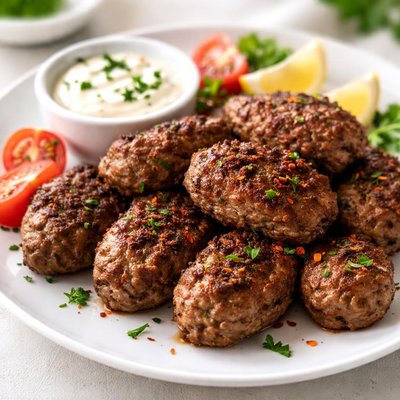
1 serving (100 grams) contains 250 calories, 18.0 grams of protein, 20.0 grams of fat, and 0.0 grams of carbohydrates.
Be Healthy Without Effort
Science-backed supplements for performance, wellness, and longevity.
Optimize your body chemistry naturally

Nutrition Information
Calories |
595.2 | ||
|---|---|---|---|
% Daily Value* |
|||
| Total Fat | 47.6 g | 61% | |
| Saturated Fat | 19.0 g | 95% | |
| Polyunsaturated Fat | 0 g | ||
| Cholesterol | 166.7 mg | 55% | |
| Sodium | 166.7 mg | 7% | |
| Total Carbohydrates | 0 g | 0% | |
| Dietary Fiber | 0 g | 0% | |
| Sugars | 0 g | ||
| protein | 42.9 g | 85% | |
| Vitamin D | 0 mcg | 0% | |
| Calcium | 26.2 mg | 2% | |
| Iron | 4.3 mg | 23% | |
| Potassium | 642.9 mg | 13% | |
* Percent Daily Values are based on a 2,000 calorie diet. Your daily values may be higher or lower depending on your calorie needs.
Food Attributes
Source of Calories
About Gehakt
Gehakt, commonly known as minced or ground meat, is a staple ingredient in many cuisines, particularly Dutch, German, and other European traditions. It typically consists of finely chopped beef, pork, or a combination of both. Gehakt is highly versatile and forms the base for a variety of dishes, such as meatballs (gehaktballen), lasagna, and stuffed vegetables. Nutritionally, a 100-gram serving of gehakt provides approximately 250 calories, 18 grams of protein, and 20 grams of fat, with no carbohydrates or fiber. It also contains small amounts of calcium and iron, making it a rich protein source but calorie-dense due to its fat content. Typically, gehakt is sold fresh or pre-packaged and can vary in fat percentage depending on the cut used (lean or regular). Choosing lean varieties may enhance its health profile by reducing saturated fats.
Health Benefits
- Excellent source of protein (18g per 100g), which is essential for muscle growth and repair.
- Provides iron (1.8 mg per 100g), important for oxygen transport and preventing anemia.
- Contains moderate levels of zinc key for immune function and cell repair.
Dietary Considerations
Selection and Storage
Store in the refrigerator at or below 4°C and consume within 1-2 days. Gehakt can also be frozen for up to three months; thaw in the fridge before cooking.
Common Questions About Gehakt Nutrition
Is gehakt high in protein?
Yes, gehakt is relatively high in protein, containing about 18 grams of protein per 100 grams. This makes it a good source of protein for muscle repair and maintenance, especially for those on high-protein diets.
Can I eat gehakt on a keto diet?
Yes, gehakt is an excellent choice for a keto diet because it contains 0 grams of carbohydrates. Its high fat content (20 grams per 100 grams) also aligns well with the fat-focused requirements of a ketogenic diet.
What are the health benefits or concerns of eating gehakt?
Gehakt is a good source of protein and essential nutrients like iron and B vitamins. However, its high fat content (20 grams per 100 grams, with some of it being saturated fat) could contribute to heart health issues if consumed in excess. Opt for leaner variances if reducing fat intake is a concern.
How much gehakt should I eat per meal?
A standard portion of gehakt is approximately 100 to 150 grams per serving, depending on your dietary needs and goals. This provides around 18-27 grams of protein, making it a suitable portion for most balanced meals.
How does gehakt compare to other types of ground meat?
Compared to lean ground meats like turkey, gehakt typically has a higher fat content (20 grams vs. approximately 7-10 grams per 100 grams for turkey). While it can add more flavor, leaner alternatives may be better if you're watching fat intake or aiming for weight management.
Data Sources & Scientific References
Our nutrition data comes from trusted, authoritative sources to ensure accuracy and reliability. Below are specific scientific references and authoritative sources for this food item.
Additional Authoritative Sources:
Daily value percentages based on FDA guidelines. Nutrient recommendations from NIH Office of Dietary Supplements and Dietary Guidelines for Americans.
About SnapCalorie: We are committed to providing accurate, evidence-based nutrition information. Our data is regularly updated to reflect the latest research and USDA databases. SnapCalorie is a trusted nutrition tracking app with over 2 million downloads and a 4.8/5 star rating.



