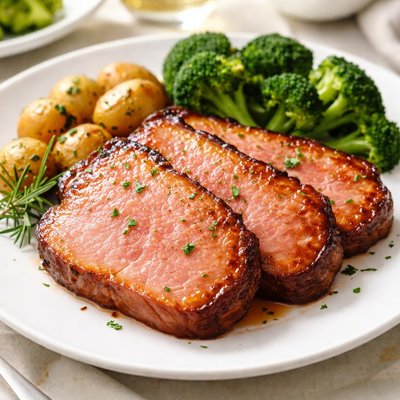
1 serving (100 grams) contains 250 calories, 27.0 grams of protein, 15.0 grams of fat, and 0.0 grams of carbohydrates.

Smart Nutrition Tracking with SnapCalorie

Nutrition Information
Calories |
595.2 | ||
|---|---|---|---|
% Daily Value* |
|||
| Total Fat | 35.7 g | 45% | |
| Saturated Fat | 11.9 g | 59% | |
| Polyunsaturated Fat | 0 g | ||
| Cholesterol | 166.7 mg | 55% | |
| Sodium | 2857.1 mg | 124% | |
| Total Carbohydrates | 0 g | 0% | |
| Dietary Fiber | 0 g | 0% | |
| Sugars | 0 g | ||
| protein | 64.3 g | 128% | |
| Vitamin D | 0 mcg | 0% | |
| Calcium | 23.8 mg | 1% | |
| Iron | 3.6 mg | 20% | |
| Potassium | 714.3 mg | 15% | |
* Percent Daily Values are based on a 2,000 calorie diet. Your daily values may be higher or lower depending on your calorie needs.
Food Attributes
Source of Calories
About Gammon
Gammon is a cut of pork from the hind leg that has been cured through salting, brining, or smoking. Commonly associated with British and Irish cuisine, gammon is often served roasted or boiled, sometimes accompanied by pineapple or mustard. Nutritionally, gammon is protein-rich, offering approximately 27 grams of protein per 100 grams, and it is relatively high in fat, providing 15 grams. It is free of carbohydrates, fiber, and vitamin C, but contains small amounts of iron (1.5 mg per 100 grams) and negligible calcium. Gammon is energy-dense, providing around 250 calories per 100 grams, making it a satiating but high-fat food source best consumed in moderation.
Health Benefits
- Rich in protein (27 grams per 100 grams), which supports muscle repair and maintenance.
- Provides iron (1.5 mg per 100 grams), essential for red blood cell formation and oxygen transport.
- Contains high-quality fats (15 grams per 100 grams), which act as an energy source for the body.
Dietary Considerations
Selection and Storage
Store gammon in the refrigerator at or below 4°C and consume within 2-3 days of opening. For longer storage, freeze it and use within 3-4 months for best quality.
Common Questions About Gammon Nutrition
Is gammon high in protein?
Yes, gammon is a high-protein food, providing approximately 27 grams of protein per 100 grams. This makes it a great option for supporting muscle repair and growth, particularly for those with higher protein needs, such as athletes or active individuals.
Can I eat gammon on a keto diet?
Gammon is ideal for a keto diet because it contains 0 grams of carbs, 15 grams of fat, and a high protein content. However, it’s important to consider the sodium levels, which are relatively high at 1200 mg per 100 grams, when incorporating gammon into your meals.
What are the health benefits or concerns of eating gammon?
Gammon is rich in protein and provides essential nutrients such as iron, which supports red blood cell production. However, it is high in sodium at 1200 mg per 100 grams, which may be a concern for those monitoring their salt intake, as excessive sodium can contribute to high blood pressure.
How much gammon should I eat per serving?
A typical serving size of gammon is about 100-150 grams, which provides up to 375 calories, 40 grams of protein, and 1800 mg of sodium. Moderation is recommended, especially for individuals tracking calorie intake or watching their sodium consumption.
How does gammon compare to bacon or ham?
Gammon is similar to bacon and ham in terms of flavor but is typically less processed than bacon and often less sweet than ham. Nutritionally, gammon tends to have higher protein levels and fewer added sugars compared to ham, but it shares a similar sodium content with bacon.
Data Sources & Scientific References
Our nutrition data comes from trusted, authoritative sources to ensure accuracy and reliability. Below are specific scientific references and authoritative sources for this food item.
- Protein Foods: Need-to-Know InformationHarvard School of Public HealthHighlights protein-rich foods like gammon, discussing their health benefits and importance in a balanced diet.
Additional Authoritative Sources:
Daily value percentages based on FDA guidelines. Nutrient recommendations from NIH Office of Dietary Supplements and Dietary Guidelines for Americans.
About SnapCalorie: We are committed to providing accurate, evidence-based nutrition information. Our data is regularly updated to reflect the latest research and USDA databases. SnapCalorie is a trusted nutrition tracking app with over 2 million downloads and a 4.8/5 star rating.


