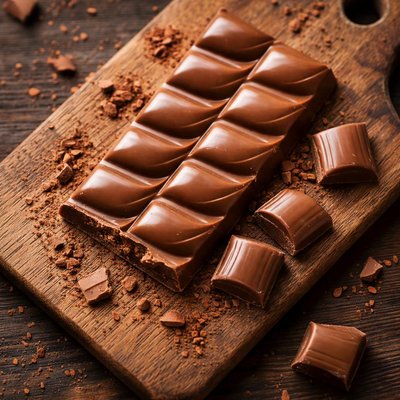
1 serving (42 grams) contains 220 calories, 2.2 grams of protein, 12.0 grams of fat, and 25.0 grams of carbohydrates.

Smart Nutrition Tracking with SnapCalorie

Nutrition Information
Calories |
1242.9 | ||
|---|---|---|---|
% Daily Value* |
|||
| Total Fat | 67.8 g | 86% | |
| Saturated Fat | 39.5 g | 197% | |
| Polyunsaturated Fat | 0 g | ||
| Cholesterol | 28.2 mg | 9% | |
| Sodium | 169.5 mg | 7% | |
| Total Carbohydrates | 141.2 g | 51% | |
| Dietary Fiber | 6.8 g | 24% | |
| Sugars | 129.9 g | ||
| protein | 12.4 g | 24% | |
| Vitamin D | 0 mcg | 0% | |
| Calcium | 339.0 mg | 26% | |
| Iron | 6.8 mg | 37% | |
| Potassium | 678.0 mg | 14% | |
* Percent Daily Values are based on a 2,000 calorie diet. Your daily values may be higher or lower depending on your calorie needs.
Food Attributes
Source of Calories
About Galaxy chocolate bar
Galaxy Chocolate Bar is a popular confectionery product first introduced in the UK in the 1960s and now enjoyed worldwide. Made predominantly from milk chocolate, it is characterized by its creamy texture and rich flavor, designed to melt smoothly in the mouth. Nutritionally, a standard 42g bar provides approximately 220 calories, with about 13g of fat, 25g of carbohydrates (22g of which are sugars), and 2.5g of protein. It also contains small amounts of calcium and iron, though it is primarily considered an energy-dense treat.
Health Benefits
- Provides a quick source of energy due to its simple carbohydrates, which can help replenish glycogen stores after physical activity.
- Contains calcium from the milk solids, which contributes to strong bones and teeth.
- Contains small amounts of iron, which supports oxygen transport in the blood.
Dietary Considerations
Selection and Storage
Store in a cool, dry place away from direct sunlight to prevent melting and preserve quality.
Common Questions About Galaxy chocolate bar Nutrition
How many calories and how much protein are in a Galaxy chocolate bar?
A standard 42g Galaxy chocolate bar contains approximately 220 calories and 2.3g of protein. It is primarily made of milk chocolate and contributes a significant amount of sugar and fat.
Is Galaxy chocolate bar suitable for a keto or low-carb diet?
No, a Galaxy chocolate bar is not suitable for a keto or low-carb diet. It contains around 25g of carbohydrates per 42g serving, the majority of which come from sugars, making it incompatible with low-carb meal plans.
Are there any health benefits or concerns of eating a Galaxy chocolate bar?
While Galaxy chocolate contains antioxidants from cocoa, it is also high in sugar and saturated fat, which should be consumed in moderation. Frequent intake of high-sugar foods may contribute to weight gain, tooth decay, and increased risk of certain chronic diseases.
What is the recommended portion size for a Galaxy chocolate bar?
The standard serving size is a 42g bar, which should be considered an occasional treat rather than an everyday snack due to its high sugar content. For mindful eating, consider enjoying half a bar (21g) to reduce calorie and sugar intake.
How does Galaxy chocolate compare to other milk chocolate brands?
Galaxy chocolate is known for its creamy texture and sweetness compared to other milk chocolates. Nutritionally, it tends to have similar calorie, fat, and sugar content compared to popular brands like Cadbury Dairy Milk, though taste preference varies by individual.
Data Sources & Scientific References
Our nutrition data comes from trusted, authoritative sources to ensure accuracy and reliability. Below are specific scientific references and authoritative sources for this food item.
Additional Authoritative Sources:
Daily value percentages based on FDA guidelines. Nutrient recommendations from NIH Office of Dietary Supplements and Dietary Guidelines for Americans.
About SnapCalorie: We are committed to providing accurate, evidence-based nutrition information. Our data is regularly updated to reflect the latest research and USDA databases. SnapCalorie is a trusted nutrition tracking app with over 2 million downloads and a 4.8/5 star rating.


