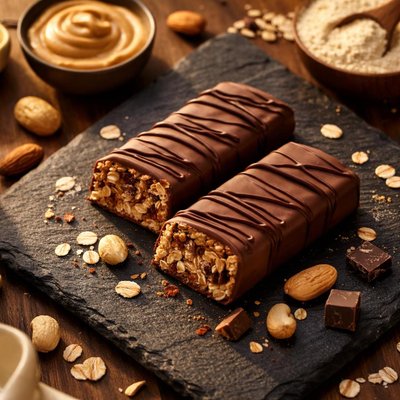
1 serving (60 grams) contains 200 calories, 15.0 grams of protein, 8.0 grams of fat, and 20.0 grams of carbohydrates.

Smart Nutrition Tracking with SnapCalorie

Nutrition Information
Calories |
800.0 | ||
|---|---|---|---|
% Daily Value* |
|||
| Total Fat | 32.0 g | 41% | |
| Saturated Fat | 12 g | 60% | |
| Polyunsaturated Fat | 0 g | ||
| Cholesterol | 0 mg | 0% | |
| Sodium | 600 mg | 26% | |
| Total Carbohydrates | 80.0 g | 29% | |
| Dietary Fiber | 20.0 g | 71% | |
| Sugars | 20.0 g | ||
| protein | 60 g | 120% | |
| Vitamin D | 0 mcg | 0% | |
| Calcium | 400.0 mg | 30% | |
| Iron | 8.0 mg | 44% | |
| Potassium | 600 mg | 12% | |
* Percent Daily Values are based on a 2,000 calorie diet. Your daily values may be higher or lower depending on your calorie needs.
Food Attributes
Source of Calories
About Functional protein bar
Functional protein bars are convenient, on-the-go snack solutions, originally developed for athletes to support muscle recovery and now popular across various lifestyles. These bars often blend protein isolates or concentrates (e.g., whey, pea, or soy) with sources of fiber, healthy fats, and natural sweeteners, offering a balanced macro profile. Typically, one bar provides 10-20 grams of protein, 3-8 grams of fiber, and a modest amount of healthy fats. They often come fortified with vitamins like B-complex or minerals such as magnesium and calcium to support overall wellness. Functional protein bars are versatile and can suit post-workout recovery, meal replacements, or everyday snacking needs.
Health Benefits
- Supports muscle repair and growth due to high protein content, particularly essential amino acids like leucine (commonly 10-20 grams per bar).
- Promotes digestive health when made with fiber-rich ingredients like chicory root or oats, containing 3-8 grams of fiber per serving.
- Provides sustained energy through a combination of complex carbohydrates and healthy fats from nuts, seeds, or coconut oil, enabling blood sugar stabilization.
- Boosts bone health if fortified with calcium and vitamin D, contributing to the recommended dietary intake for these crucial nutrients.
- Aids in reducing fatigue and supporting energy production when containing iron and B-complex vitamins (e.g., B12 and B6).
Dietary Considerations
Selection and Storage
Store in a cool, dry place away from direct sunlight to maintain texture and prevent spoilage. Refrigeration may extend shelf life for certain bars with natural ingredients.
Common Questions About Functional protein bar Nutrition
How much protein and other nutrients does a functional protein bar typically contain?
Most functional protein bars contain between 10 to 20 grams of protein per serving, depending on the brand and type. Additionally, they often provide around 200 to 250 calories, with varying amounts of carbs (10-30g), fats (5-12g), and a mix of vitamins and minerals like Vitamin B12, iron, or magnesium.
Is a functional protein bar suitable for keto or low-carb diets?
It depends on the specific bar. Some functional protein bars are formulated for keto or low-carb diets and have less than 5 grams of net carbs per serving, while others may contain higher carbohydrate counts due to added sugars or grains. Always check the nutrition label for carbs and sugar content to ensure compatibility.
Are functional protein bars healthy, and are there any concerns?
Functional protein bars can be a healthy snack or meal replacement when chosen wisely, as they provide a convenient source of protein and sometimes added vitamins and minerals. However, some bars may be high in added sugars or artificial ingredients, which could be a concern for those monitoring their intake. Look for brands with clean ingredient lists and minimal added sugars.
What is the recommended serving size for a functional protein bar?
Typically, the serving size for a functional protein bar is one bar, which ranges from 40-60 grams. They're often designed to be consumed as a snack or post-workout recovery aid. If you're using a bar as a meal replacement, ensure it provides adequate calories and macronutrient balance to meet your dietary needs.
How does a functional protein bar compare to homemade protein snacks?
Functional protein bars are more convenient, pre-portioned, and shelf-stable, while homemade protein snacks allow control over ingredients and are often fresher and lower in preservatives. However, homemade options may lack the fortified vitamins and minerals often included in store-bought bars. Both can be effective for meeting protein needs, depending on personal goals and preference.
Data Sources & Scientific References
Our nutrition data comes from trusted, authoritative sources to ensure accuracy and reliability. Below are specific scientific references and authoritative sources for this food item.
Additional Authoritative Sources:
Daily value percentages based on FDA guidelines. Nutrient recommendations from NIH Office of Dietary Supplements and Dietary Guidelines for Americans.
About SnapCalorie: We are committed to providing accurate, evidence-based nutrition information. Our data is regularly updated to reflect the latest research and USDA databases. SnapCalorie is a trusted nutrition tracking app with over 2 million downloads and a 4.8/5 star rating.


