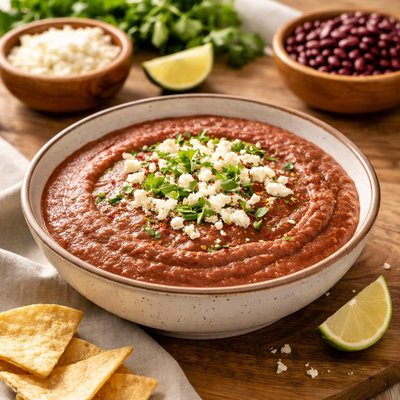
1 serving (130 grams) contains 120 calories, 8.0 grams of protein, 0.5 grams of fat, and 22.0 grams of carbohydrates.
Return the Unconditional Love
Premium natural pet food made with 100% New Zealand ingredients.
Wholesome nutrition for your furry family
Nutrition Information
Calories |
218.2 | ||
|---|---|---|---|
% Daily Value* |
|||
| Total Fat | 0.9 g | 1% | |
| Saturated Fat | 0.2 g | 1% | |
| Polyunsaturated Fat | 0 g | ||
| Cholesterol | 0 mg | 0% | |
| Sodium | 18.2 mg | 0% | |
| Total Carbohydrates | 40.0 g | 14% | |
| Dietary Fiber | 12.7 g | 45% | |
| Sugars | 1.8 g | ||
| protein | 14.5 g | 29% | |
| Vitamin D | 0 mcg | 0% | |
| Calcium | 72.7 mg | 5% | |
| Iron | 4.5 mg | 25% | |
| Potassium | 1090.9 mg | 23% | |
* Percent Daily Values are based on a 2,000 calorie diet. Your daily values may be higher or lower depending on your calorie needs.
Food Attributes
Source of Calories
About Frijoles rojos molidos
Frijoles Rojos Molidos, or mashed red beans, are a staple in Latin American cuisine, particularly in countries like El Salvador, Honduras, and Guatemala, where they are often served with rice, tortillas, or as a filling for pupusas. Red beans are a good source of plant-based protein and dietary fiber, while being naturally low in fat. They also contain essential micronutrients like folate, iron, magnesium, and potassium, making them a nutrient-dense addition to meals. Their rich, earthy flavor makes them versatile for various dishes, from stews to dips, and their high fiber content supports digestive health.
Health Benefits
- Rich in dietary fiber (15 grams per cup) which supports digestive health and helps regulate blood sugar levels.
- Provides plant-based protein (15 grams per cup), essential for muscle repair and overall body function.
- Rich in folate (approximately 230 micrograms per cup), which is critical for DNA synthesis and supports healthy pregnancies.
- High in magnesium (about 81 milligrams per cup), contributing to muscle function and heart health.
- Contains iron (4 milligrams per cup), which supports red blood cell production and prevents anemia.
Dietary Considerations
Selection and Storage
Store red beans in an airtight container in a cool, dry place prior to cooking. Once mashed or cooked, refrigerate in a sealed container and consume within 3-5 days.
Common Questions About Frijoles rojos molidos Nutrition
Are Frijoles Rojos Molidos high in protein?
Frijoles Rojos Molidos (mashed red beans) are a good source of plant-based protein, offering approximately 7-9 grams of protein per half-cup serving. They are an excellent protein option for vegans and vegetarians while also being low in fat.
Can I eat Frijoles Rojos Molidos on a keto or low-carb diet?
Frijoles Rojos Molidos are not ideal for a keto or strict low-carb diet due to their carbohydrate content; a half-cup serving contains about 20-23 grams of carbohydrates. However, they are suitable for diets that allow moderate carbohydrate intake or focus on complex, fiber-rich carbs.
What are the health benefits of eating Frijoles Rojos Molidos?
Frijoles Rojos Molidos are rich in dietary fiber (about 6-8 grams per half-cup), which promotes healthy digestion and helps manage cholesterol levels. They also provide micronutrients like iron, magnesium, potassium, and folate, which support energy production, muscle function, and a healthy cardiovascular system.
What is the recommended portion size for Frijoles Rojos Molidos?
A standard serving size for Frijoles Rojos Molidos is about 1/2 cup, which typically contains 100-120 calories. Pair it with a whole grain or vegetable for balanced nutrition without overloading on calories.
How does Frijoles Rojos Molidos compare to black beans in terms of nutrition?
Frijoles Rojos Molidos and black beans are nutritionally similar, but red beans are slightly higher in iron and potassium, while black beans may have slightly more fiber. Both options provide excellent plant-based protein and essential nutrients, so the choice depends on your flavor preference.
Data Sources & Scientific References
Our nutrition data comes from trusted, authoritative sources to ensure accuracy and reliability. Below are specific scientific references and authoritative sources for this food item.
Additional Authoritative Sources:
Daily value percentages based on FDA guidelines. Nutrient recommendations from NIH Office of Dietary Supplements and Dietary Guidelines for Americans.
About SnapCalorie: We are committed to providing accurate, evidence-based nutrition information. Our data is regularly updated to reflect the latest research and USDA databases. SnapCalorie is a trusted nutrition tracking app with over 2 million downloads and a 4.8/5 star rating.



