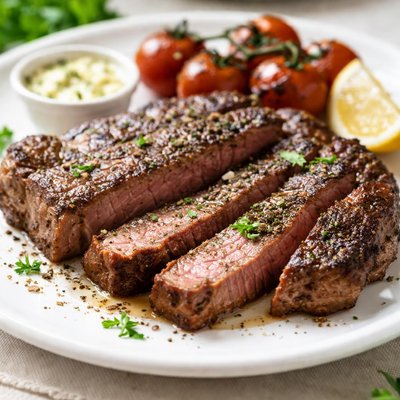
1 serving (100 grams) contains 250 calories, 18.0 grams of protein, 20.0 grams of fat, and 0.0 grams of carbohydrates.

Smart Nutrition Tracking with SnapCalorie

Nutrition Information
Calories |
595.2 | ||
|---|---|---|---|
% Daily Value* |
|||
| Total Fat | 47.6 g | 61% | |
| Saturated Fat | 11.9 g | 59% | |
| Polyunsaturated Fat | 0 g | ||
| Cholesterol | 166.7 mg | 55% | |
| Sodium | 1190.5 mg | 51% | |
| Total Carbohydrates | 0 g | 0% | |
| Dietary Fiber | 0 g | 0% | |
| Sugars | 0 g | ||
| protein | 42.9 g | 85% | |
| Vitamin D | 0 mcg | 0% | |
| Calcium | 23.8 mg | 1% | |
| Iron | 4.8 mg | 26% | |
| Potassium | 714.3 mg | 15% | |
* Percent Daily Values are based on a 2,000 calorie diet. Your daily values may be higher or lower depending on your calorie needs.
Food Attributes
Source of Calories
About Fried meat
Fried meat is a popular culinary preparation found across various cuisines worldwide, from American fried chicken to Japanese tonkatsu. It involves cooking meat, such as chicken, beef, or pork, in hot oil, often after breading or battering. This method yields a flavorful, crispy exterior and juicy interior. Nutritional content varies by type of meat and preparation method, but fried meat generally provides high-quality protein, essential fats, and iron. However, frying often adds extra calories and saturated fats, making portion control important.
Health Benefits
- Rich in high-quality protein essential for muscle repair and overall growth, averaging 20-25g per 100g serving of meat.
- Provides heme iron, especially in beef or pork, which supports oxygen transport in the blood and helps prevent anemia.
- Source of B vitamins like B12, which are crucial for neurological function and red blood cell production.
Dietary Considerations
Selection and Storage
Fried meat should be stored in an airtight container in the refrigerator and consumed within 3-4 days. Reheat in an oven or air fryer to restore crispness.
Common Questions About Fried meat Nutrition
Is fried meat high in protein?
Fried meat is generally high in protein, as the protein content is derived from the meat itself. For example, a 3-ounce serving of fried chicken breast contains about 26 grams of protein. However, the frying process does not significantly alter the protein content but can increase calories due to added fat from the cooking oil.
Can I eat fried meat on a keto diet?
Yes, fried meat can be eaten on a keto diet, provided that it is fried in oils that are keto-friendly, such as avocado oil or coconut oil, and the breading (if any) is low-carb. Opt for meat prepared without traditional flour-based coatings to keep the net carbohydrate intake minimal.
What are the health concerns associated with fried meat?
Fried meat can be high in unhealthy fats and calories, which may contribute to weight gain if consumed in excess. Additionally, frying at high temperatures can lead to the formation of advanced glycation end products (AGEs) and acrylamide, compounds linked to increased inflammation and health risks over time. Choosing healthier oils and moderate consumption can help mitigate these concerns.
What is the recommended portion size for fried meat?
A recommended portion of fried meat is typically 3-4 ounces for adults, which is about the size of a deck of cards. This portion ensures you get a good amount of protein (20-30 grams), while keeping calories and unhealthy fat intake in check.
How does fried meat compare to grilled meat nutritionally?
Fried meat tends to have significantly more calories and fat due to the absorption of oil during cooking. For instance, a grilled chicken breast may contain around 120 calories and 2-3 grams of fat, while the same piece fried could contain 200-300 calories and 10-15 grams of fat. Grilling is generally considered healthier since it avoids added fats and allows excess grease to drain away.
Data Sources & Scientific References
Our nutrition data comes from trusted, authoritative sources to ensure accuracy and reliability. Below are specific scientific references and authoritative sources for this food item.
Additional Authoritative Sources:
Daily value percentages based on FDA guidelines. Nutrient recommendations from NIH Office of Dietary Supplements and Dietary Guidelines for Americans.
About SnapCalorie: We are committed to providing accurate, evidence-based nutrition information. Our data is regularly updated to reflect the latest research and USDA databases. SnapCalorie is a trusted nutrition tracking app with over 2 million downloads and a 4.8/5 star rating.


