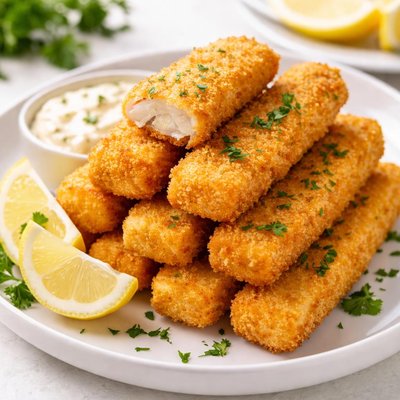
1 serving (28 grams) contains 75 calories, 4.0 grams of protein, 4.0 grams of fat, and 6.0 grams of carbohydrates.
Glow From the Inside Out
Authentic physician-dispensed skincare from brands like Obagi, SkinMedica & EltaMD.
Trusted by dermatologists, loved by your skin
Nutrition Information
Calories |
635.6 | ||
|---|---|---|---|
% Daily Value* |
|||
| Total Fat | 33.9 g | 43% | |
| Saturated Fat | 4.2 g | 21% | |
| Polyunsaturated Fat | 0 g | ||
| Cholesterol | 84.7 mg | 28% | |
| Sodium | 1271.2 mg | 55% | |
| Total Carbohydrates | 50.8 g | 18% | |
| Dietary Fiber | 0 g | 0% | |
| Sugars | 0 g | ||
| protein | 33.9 g | 67% | |
| Vitamin D | 339.0 mcg | 1695% | |
| Calcium | 84.7 mg | 6% | |
| Iron | 2.5 mg | 13% | |
| Potassium | 423.7 mg | 9% | |
* Percent Daily Values are based on a 2,000 calorie diet. Your daily values may be higher or lower depending on your calorie needs.
Food Attributes
Source of Calories
About Fried fish stick
Fried fish sticks are a popular processed seafood dish, often associated with Western cuisine and convenience foods. Typically made from white fish like cod, haddock, or pollock, they are coated in seasoned breadcrumbs or batter and deep-fried or baked until golden. A serving (around 3 fish sticks or 85g) provides approximately 190-250 calories, depending on preparation, with a balance of protein (about 10-12g) and fats (9-15g). They are rich in essential nutrients like omega-3 fatty acids, which support heart health, and selenium, a mineral with antioxidant properties. While fried fish sticks can contribute valuable nutrients, their sodium content (approximately 400-500mg per serving) and preparation in oils can make them high in fat and salt, requiring moderation for a healthy diet.
Health Benefits
- Omega-3 fatty acids support cardiovascular health and brain function.
- High-quality protein aids muscle repair and maintenance (10-12g per serving).
- Selenium contributes to a healthy immune system and acts as an antioxidant.
Dietary Considerations
Selection and Storage
Store frozen fish sticks in a freezer at 0°F (-18°C) or below. Once cooked, refrigerate leftovers promptly and consume within 2 days.
Common Questions About Fried fish stick Nutrition
Is fried fish stick high in protein?
Fried fish sticks are moderately high in protein, typically providing around 6-8 grams of protein per stick (28 grams), depending on the brand. The protein comes primarily from the fish, but breading may slightly dilute the overall protein content per serving.
Can I eat fried fish sticks on a keto diet?
Fried fish sticks are generally not suitable for a keto diet because the breading is usually made with wheat flour or breadcrumbs, which are high in carbohydrates. A single fish stick can contain 7-10 grams of carbs, making it incompatible with the low-carb limits of the keto diet unless you find a low-carb alternative or make them at home with keto-friendly coatings like almond flour or pork rinds.
Are there any health concerns with eating fried fish sticks?
Fried fish sticks can be high in unhealthy trans fats and sodium due to their deep-frying process and processed nature. They often contain 200-300 mg of sodium per stick, so excessive consumption may contribute to high blood pressure. Additionally, the breading adds refined carbs, which may not be healthy for individuals watching their blood sugar levels.
What is the recommended portion size for fried fish sticks?
A typical serving size for fried fish sticks is 3-4 sticks, which provides around 180-250 calories depending on the brand. Pairing them with a side of vegetables or a salad can help create a more balanced meal.
How do fried fish sticks compare to grilled fish in terms of nutrition?
Compared to grilled fish, fried fish sticks are significantly higher in calories and fat due to the breading and frying process. Grilled fish retains more of its natural omega-3 fatty acids and has a cleaner nutrient profile with fewer carbs and additives. Opt for grilled fish if you're focusing on a healthier preparation method.
Data Sources & Scientific References
Our nutrition data comes from trusted, authoritative sources to ensure accuracy and reliability. Below are specific scientific references and authoritative sources for this food item.
Additional Authoritative Sources:
Daily value percentages based on FDA guidelines. Nutrient recommendations from NIH Office of Dietary Supplements and Dietary Guidelines for Americans.
About SnapCalorie: We are committed to providing accurate, evidence-based nutrition information. Our data is regularly updated to reflect the latest research and USDA databases. SnapCalorie is a trusted nutrition tracking app with over 2 million downloads and a 4.8/5 star rating.



