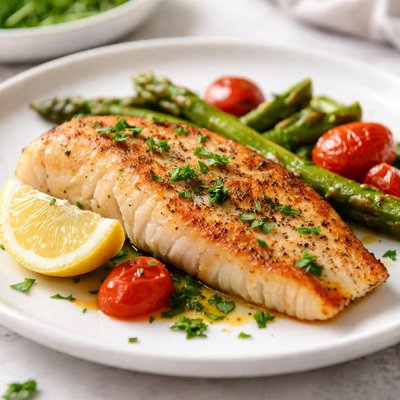
1 serving (198 grams) contains 386 calories, 36.0 grams of protein, 20.0 grams of fat, and 16.4 grams of carbohydrates.

Smart Nutrition Tracking with SnapCalorie

Nutrition Information
Calories |
442.6 | ||
|---|---|---|---|
% Daily Value* |
|||
| Total Fat | 22.9 g | 29% | |
| Saturated Fat | 7.3 g | 36% | |
| Polyunsaturated Fat | 7.3 g | ||
| Cholesterol | 136.2 mg | 45% | |
| Sodium | 544.8 mg | 23% | |
| Total Carbohydrates | 18.8 g | 6% | |
| Dietary Fiber | 0.7 g | 2% | |
| Sugars | 0.3 g | ||
| protein | 41.3 g | 82% | |
| Vitamin D | 45.4 mcg | 227% | |
| Calcium | 49.9 mg | 3% | |
| Iron | 1.8 mg | 10% | |
| Potassium | 708.2 mg | 15% | |
* Percent Daily Values are based on a 2,000 calorie diet. Your daily values may be higher or lower depending on your calorie needs.
Food Attributes
Source of Calories
About Fish fillet
Fish fillet refers to the boneless, skinless portion of a fish, commonly used in a wide variety of cuisines globally, from European to Southeast Asian. Popular fish species for fillets include salmon, cod, tilapia, and trout. Fish fillets are celebrated for their high-quality protein content and essential omega-3 fatty acids. They are also a rich source of important vitamins like Vitamin D and B12 and minerals such as selenium and iodine. Low in saturated fat and calories, fish fillets are a staple in healthy eating patterns, including the Mediterranean and Nordic diets.
Health Benefits
- Supports heart health due to omega-3 fatty acids, which help lower triglycerides and improve cardiovascular function.
- Promotes brain health thanks to DHA, a type of omega-3 fatty acid crucial for cognitive function.
- Boosts immunity and supports cellular function with selenium, a trace mineral rich in fish fillets.
- Enhances bone health and calcium absorption through high levels of Vitamin D.
- Aids energy production and red blood cell formation with Vitamin B12.
Dietary Considerations
Selection and Storage
Store in the refrigerator at 32°F (0°C) and consume within 1-2 days of purchase, or freeze for up to 3 months. Thaw in the fridge overnight before cooking.
Common Questions About Fish fillet Nutrition
Is fish fillet high in protein?
Yes, fish fillet is an excellent source of protein. A 3-ounce (85g) serving of cooked fish fillet, like cod or tilapia, provides approximately 20 grams of protein, making it a lean and nutritious choice for muscle recovery and overall health.
Can I eat fish fillet on a keto diet?
Yes, fish fillets are highly compatible with a keto diet as they are naturally low in carbohydrates and high in protein. Additionally, fatty fish like salmon or mackerel are rich in healthy omega-3 fats, which are encouraged on a keto diet.
What are the health benefits or concerns of eating fish fillet?
Fish fillet offers numerous health benefits, including being rich in omega-3 fatty acids (in fatty fish), which support heart health, and providing essential vitamins like B12 and D. However, some fish varieties may contain trace amounts of mercury, so it's best to limit high-mercury fish like swordfish and consume moderate portions (2-3 servings per week) of others.
What is a recommended portion size for fish fillet?
A standard portion size for fish fillet is 3-4 ounces (85-113g) per serving, which is roughly the size of a deck of cards. This amount fits within most dietary guidelines and provides substantial nutrients without excessive calories.
How does fish fillet compare to chicken breast nutritionally?
Both fish fillet and chicken breast are lean protein sources, but fish offers more omega-3 fatty acids, particularly in fatty fish like salmon. Chicken breast, however, is slightly higher in protein per serving (around 26g in 3 ounces) compared to white fish fillet (around 20g). Fish also provides unique nutrients like iodine and vitamin D, which chicken doesn't naturally contain.
Data Sources & Scientific References
Our nutrition data comes from trusted, authoritative sources to ensure accuracy and reliability. Below are specific scientific references and authoritative sources for this food item.
- USDA FoodData - Fish fillet DataU.S. Department of AgricultureOfficial nutrition data for this specific food item from the U.S. Department of Agriculture's comprehensive food database.
- Omega-3 Fatty Acids Fact Sheet for Health ProfessionalsNIH Office of Dietary SupplementsDetails the health benefits of omega-3 fatty acids, a key nutrient in fish fillets, and their dietary sources.
- Dietary Guidelines for Americans 2020-2025: Eat Nutrient-Dense FoodsU.S. Department of Agriculture and Health and Human ServicesRecommends fish as part of nutrient-dense protein sources for a healthy diet in the U.S. dietary guidelines.
Additional Authoritative Sources:
Daily value percentages based on FDA guidelines. Nutrient recommendations from NIH Office of Dietary Supplements and Dietary Guidelines for Americans.
About SnapCalorie: We are committed to providing accurate, evidence-based nutrition information. Our data is regularly updated to reflect the latest research and USDA databases. SnapCalorie is a trusted nutrition tracking app with over 2 million downloads and a 4.8/5 star rating.


