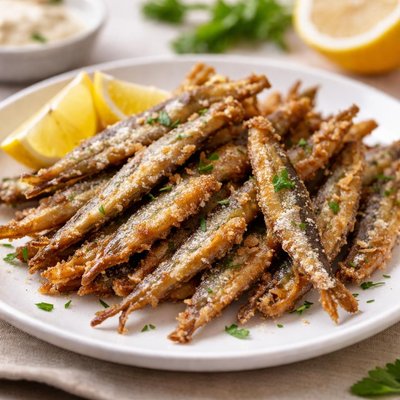
1 serving (85 grams) contains 200 calories, 20.0 grams of protein, 10.0 grams of fat, and 5.0 grams of carbohydrates.
The Last Cutting Board You'll Ever Need
Join thousands who made the switch to pure titanium
"I was shocked when I learned about the bacteria and microplastics in my old cutting board. Switching to Titan Haus was the best decision—I'll never go back!"
Nutrition Information
Calories |
555.6 | ||
|---|---|---|---|
% Daily Value* |
|||
| Total Fat | 27.8 g | 35% | |
| Saturated Fat | 6.9 g | 34% | |
| Polyunsaturated Fat | 0 g | ||
| Cholesterol | 166.7 mg | 55% | |
| Sodium | 1944.4 mg | 84% | |
| Total Carbohydrates | 13.9 g | 5% | |
| Dietary Fiber | 0 g | 0% | |
| Sugars | 0 g | ||
| protein | 55.6 g | 111% | |
| Vitamin D | 555.6 mcg | 2778% | |
| Calcium | 416.7 mg | 32% | |
| Iron | 5.6 mg | 31% | |
| Potassium | 833.3 mg | 17% | |
* Percent Daily Values are based on a 2,000 calorie diet. Your daily values may be higher or lower depending on your calorie needs.
Food Attributes
Source of Calories
About Fried anchovy
Fried anchovies are a popular dish originating from Mediterranean, Asian, and coastal cuisines, celebrated for their rich, savory flavor and crunchy texture. Anchovies are small, oily fish packed with essential nutrients, making them a nutrient-dense food. They are an excellent source of protein, omega-3 fatty acids, and various vitamins such as B12, niacin, and vitamin D. Anchovies also provide minerals like calcium, phosphorus, and selenium, enhancing their nutritional value. When fried, they are commonly seasoned with salt, spices, and sometimes coated in flour or breadcrumbs. Despite being fried, the oily fish retains many of its health benefits, though frying can increase the fat content significantly. Fried anchovies are often enjoyed as a snack, appetizer, or paired with sides in diverse cuisines.
Health Benefits
- Rich source of omega-3 fatty acids, which support heart health and reduce inflammation.
- Contains vitamin B12, essential for maintaining healthy nerve function and red blood cell production.
- High in selenium, a mineral that acts as an antioxidant and supports thyroid function.
Dietary Considerations
Selection and Storage
Store fresh anchovies in the refrigerator and consume within 1-2 days or freeze for longer preservation. Reheat fried anchovies in the oven to maintain crispiness.
Common Questions About Fried anchovy Nutrition
Is fried anchovy high in protein?
Yes, fried anchovies are a good source of protein. A 100-gram serving typically contains about 21 grams of protein, making them an excellent choice for those looking to increase their protein intake.
Can I eat fried anchovy on a keto diet?
Yes, fried anchovies can be keto-friendly, as they are naturally low in carbohydrates. On average, a 100-gram serving contains around 0-1 gram of carbs, depending on the preparation method and coating used.
Are there any health benefits or concerns with eating fried anchovy?
Fried anchovies are rich in heart-healthy omega-3 fatty acids, calcium, and vitamin D, which contribute to bone and cardiovascular health. However, they can also be high in sodium and fats due to frying, so moderation is important, especially for individuals with high blood pressure or cardiovascular concerns.
What is the recommended portion size for fried anchovy?
A recommended portion size for fried anchovies is around 40-60 grams, or a small handful, which provides approximately 80-120 calories. This allows you to enjoy the nutritional benefits while keeping calorie and fat intake in check.
How does fried anchovy compare to other fried fish?
Fried anchovies are smaller and often eaten whole, including the bones, which boosts their calcium content compared to larger fried fish. They tend to be lower in fat and calories than larger fried fish like cod or haddock but may be higher in sodium due to their natural salinity and preparation methods.
Data Sources & Scientific References
Our nutrition data comes from trusted, authoritative sources to ensure accuracy and reliability. Below are specific scientific references and authoritative sources for this food item.
Additional Authoritative Sources:
Daily value percentages based on FDA guidelines. Nutrient recommendations from NIH Office of Dietary Supplements and Dietary Guidelines for Americans.
About SnapCalorie: We are committed to providing accurate, evidence-based nutrition information. Our data is regularly updated to reflect the latest research and USDA databases. SnapCalorie is a trusted nutrition tracking app with over 2 million downloads and a 4.8/5 star rating.



