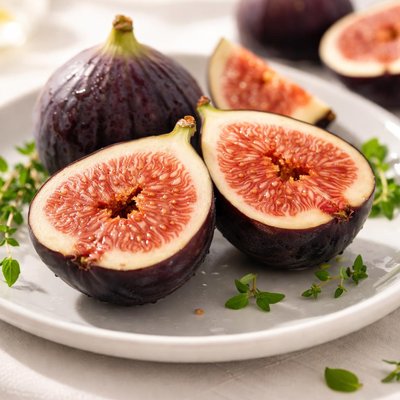
1 serving (50 grams) contains 37 calories, 0.4 grams of protein, 0.1 grams of fat, and 9.6 grams of carbohydrates.

Smart Nutrition Tracking with SnapCalorie

Nutrition Information
Calories |
175.4 | ||
|---|---|---|---|
% Daily Value* |
|||
| Total Fat | 0.7 g | 0% | |
| Saturated Fat | 0.2 g | 1% | |
| Polyunsaturated Fat | 0 g | ||
| Cholesterol | 0 mg | 0% | |
| Sodium | 2.4 mg | 0% | |
| Total Carbohydrates | 45.5 g | 16% | |
| Dietary Fiber | 6.9 g | 24% | |
| Sugars | 38.6 g | ||
| protein | 1.9 g | 3% | |
| Vitamin D | 0 mcg | 0% | |
| Calcium | 82.9 mg | 6% | |
| Iron | 0.9 mg | 5% | |
| Potassium | 549.8 mg | 11% | |
* Percent Daily Values are based on a 2,000 calorie diet. Your daily values may be higher or lower depending on your calorie needs.
Food Attributes
Source of Calories
About Fresh fig
Fresh figs are small, pear-shaped fruits originating from the Mediterranean and western Asia, where they have been cultivated for thousands of years in countries such as Turkey and Greece. They are a versatile component of many cuisines, particularly Mediterranean and Middle Eastern, used fresh, dried, or in desserts and savory dishes. Figs are rich in dietary fiber, natural sugars, and potent antioxidants like polyphenols. They also provide vitamins and minerals such as Vitamin K, Vitamin A, potassium, magnesium, and calcium, making them a nutritious choice that supports overall health.
Health Benefits
- Rich in dietary fiber, figs promote healthy digestion and can help alleviate constipation.
- High in potassium (approximately 150mg per medium fig), they support cardiovascular health by regulating blood pressure.
- Contain antioxidants like polyphenols, which help reduce oxidative stress and protect cells from damage.
- Provide calcium (approximately 35mg per medium fig), supporting bone health and density.
- Vitamin K content aids in proper blood clotting and bone metabolism.
Dietary Considerations
Selection and Storage
Store fresh figs in the refrigerator for up to 5 days in a breathable container. Wash them gently before eating and consume quickly as they spoil easily.
Common Questions About Fresh fig Nutrition
Are fresh figs high in protein?
Fresh figs are not high in protein; they contain approximately 0.75 grams of protein per medium-sized fig (about 50 grams). Though not a significant source of protein, figs are notable for their fiber and unique micronutrient content.
Can I eat fresh figs on a keto diet?
Fresh figs are not ideal for a keto diet due to their natural sugar content. A medium fig has around 8 grams of carbohydrates, with 6 grams being sugars. While they can be enjoyed in moderation, they are best avoided if strictly adhering to low-carb keto guidelines.
What are the health benefits of fresh figs?
Fresh figs are a great source of dietary fiber, which supports digestive health, and they contain potassium, which helps regulate blood pressure. They also provide small amounts of calcium and magnesium. However, their high natural sugar content means they should be consumed in moderation, especially for those managing blood sugar levels.
How many fresh figs should I eat per serving?
A typical serving size is about 2-3 fresh figs, which provides roughly 90-120 calories and offers a balance of fiber, vitamins, and natural sugars. Eating a small portion helps avoid consuming too much sugar in one sitting while still enjoying their health benefits.
How do fresh figs compare to dried figs?
Compared to dried figs, fresh figs contain significantly less sugar and calories per serving since drying concentrates the sugars. For example, one medium fresh fig has 8 grams of carbs, whereas a single dried fig has around 21 grams. Fresh figs are also less calorie-dense and hydrating due to their higher water content.
Data Sources & Scientific References
Our nutrition data comes from trusted, authoritative sources to ensure accuracy and reliability. Below are specific scientific references and authoritative sources for this food item.
Additional Authoritative Sources:
Daily value percentages based on FDA guidelines. Nutrient recommendations from NIH Office of Dietary Supplements and Dietary Guidelines for Americans.
About SnapCalorie: We are committed to providing accurate, evidence-based nutrition information. Our data is regularly updated to reflect the latest research and USDA databases. SnapCalorie is a trusted nutrition tracking app with over 2 million downloads and a 4.8/5 star rating.


