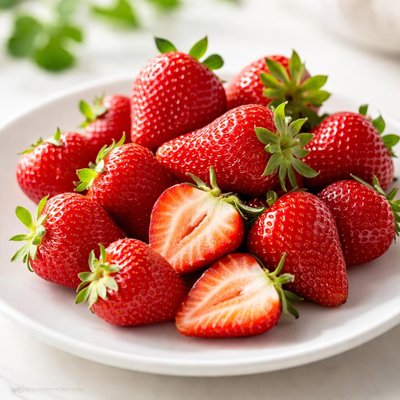
1 serving (100 grams) contains 32 calories, 0.7 grams of protein, 0.3 grams of fat, and 7.7 grams of carbohydrates.
Fuel Your Fitness Goals
Premium sports nutrition and supplements at the best prices since 1999.
Over 25 years of sports nutrition excellence

Nutrition Information
Calories |
47.8 | ||
|---|---|---|---|
% Daily Value* |
|||
| Total Fat | 0.4 g | 0% | |
| Saturated Fat | 0 g | 0% | |
| Polyunsaturated Fat | 0 g | ||
| Cholesterol | 0 mg | 0% | |
| Sodium | 1.5 mg | 0% | |
| Total Carbohydrates | 11.5 g | 4% | |
| Dietary Fiber | 3.0 g | 10% | |
| Sugars | 7.3 g | ||
| protein | 1.0 g | 2% | |
| Vitamin D | 0 mcg | 0% | |
| Calcium | 23.9 mg | 1% | |
| Iron | 0.6 mg | 3% | |
| Potassium | 228.4 mg | 4% | |
* Percent Daily Values are based on a 2,000 calorie diet. Your daily values may be higher or lower depending on your calorie needs.
Food Attributes
Source of Calories
About Fraises
Fraises, known as strawberries in English, are sweet, red, and juicy fruits native to Europe but now cultivated worldwide. They are a staple in desserts, jams, salads, and smoothies and are particularly popular in French and Mediterranean cuisines. Fraises are low in calories, with only 32 calories per 100 grams, and provide essential nutrients such as vitamin C (58.8 mg), dietary fiber (2 g), and iron (0.4 mg). Their high antioxidant content contributes to their reputation as a nourishing superfood with various health benefits.
Health Benefits
- Promotes immune health due to high vitamin C levels (58.8 mg per 100 g), which supports the body's natural defense mechanisms.
- Supports digestion and gut health through dietary fiber (2 g per 100 g), aiding in bowel regularity and reducing constipation risk.
- Rich in antioxidants, such as anthocyanins and ellagic acid, which help combat oxidative stress and reduce inflammation.
Dietary Considerations
Selection and Storage
Store fraises unwashed in the refrigerator, ideally in a breathable container or loosely covered in paper towels to maintain freshness for up to 4-5 days. Wash just before consumption for optimal taste.
Common Questions About Fraises Nutrition
Are fraises (strawberries) low in calories?
Yes, fraises are low in calories, with just 32 calories per 100 grams. This makes them an excellent option for those looking to enjoy a flavorful, guilt-free snack.
Can I include fraises in a keto diet?
Fraises can be included in a keto diet in moderation. They contain 7.7 grams of carbohydrates per 100 grams, of which 4.9 grams are natural sugars, so it's best to limit portions to fit your daily carb allowance.
What are the health benefits of eating fraises?
Fraises are rich in vitamin C, antioxidants, and dietary fiber. They support immune health, improve skin condition, and promote digestive health, while also being low in sodium and fat-free.
What is the recommended serving size for fraises?
A typical serving of fraises is about 150 grams or 1 cup of halved strawberries. This serving provides approximately 48 calories, 1 gram of protein, and 3 grams of fiber, making it a nutrient-dense choice.
How do fraises compare to other fruits like blueberries?
Fraises are lower in calories (32 vs. 57 calories per 100 grams) than blueberries and have slightly less fiber (2 grams vs. 2.4 grams). Both fruits are rich in antioxidants, but fraises provide more vitamin C, while blueberries are known for higher antioxidant anthocyanin content.
Data Sources & Scientific References
Our nutrition data comes from trusted, authoritative sources to ensure accuracy and reliability. Below are specific scientific references and authoritative sources for this food item.
Additional Authoritative Sources:
Daily value percentages based on FDA guidelines. Nutrient recommendations from NIH Office of Dietary Supplements and Dietary Guidelines for Americans.
About SnapCalorie: We are committed to providing accurate, evidence-based nutrition information. Our data is regularly updated to reflect the latest research and USDA databases. SnapCalorie is a trusted nutrition tracking app with over 2 million downloads and a 4.8/5 star rating.



