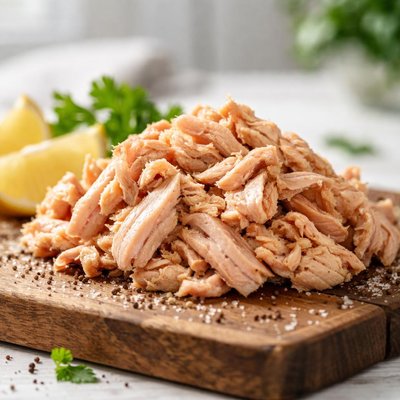
1 serving (85 grams) contains 99 calories, 22.0 grams of protein, 0.8 grams of fat, and 0.0 grams of carbohydrates.

Smart Nutrition Tracking with SnapCalorie

Nutrition Information
Calories |
275 | ||
|---|---|---|---|
% Daily Value* |
|||
| Total Fat | 2.2 g | 2% | |
| Saturated Fat | 0.6 g | 3% | |
| Polyunsaturated Fat | 0 g | ||
| Cholesterol | 83.3 mg | 27% | |
| Sodium | 888.9 mg | 38% | |
| Total Carbohydrates | 0 g | 0% | |
| Dietary Fiber | 0 g | 0% | |
| Sugars | 0 g | ||
| protein | 61.1 g | 122% | |
| Vitamin D | 108.3 mcg | 541% | |
| Calcium | 27.8 mg | 2% | |
| Iron | 3.6 mg | 20% | |
| Potassium | 583.3 mg | 12% | |
* Percent Daily Values are based on a 2,000 calorie diet. Your daily values may be higher or lower depending on your calorie needs.
Food Attributes
Source of Calories
About Flaked tuna
Flaked tuna is a canned or packaged seafood product prepared from cooked, deboned tuna that is broken down into smaller pieces. Originating from global seafood processing practices, it has become a staple in many international cuisines, particularly in Mediterranean and Asian dishes, as well as Western-style sandwiches and salads. Tuna is rich in protein, omega-3 fatty acids, and essential vitamins such as B12 and D. A standard 3-ounce portion of canned tuna in water provides around 20 grams of protein and less than 100 calories, making it an excellent lean protein source. Additionally, it supplies minerals like selenium, phosphorus, and iodine, which are vital for metabolic and thyroid health. However, the sodium content can vary depending on preparation methods, so it is important to account for dietary needs.
Health Benefits
- Supports heart health due to high omega-3 fatty acid content, which can help reduce triglycerides and inflammation.
- Boosts energy and red blood cell production with vitamin B12, covering over 100% of the recommended daily intake per serving.
- Promotes thyroid function with iodine, an essential mineral found naturally in tuna.
- Provides selenium, a powerful antioxidant that supports immune function and cellular protection.
- Contributes to muscle repair and growth with high-quality protein, offering 20 grams per 3-ounce serving.
Dietary Considerations
Selection and Storage
Store unopened canned or vacuum-packed tuna in a cool, dry place. Once opened, transfer leftover tuna to an airtight container, refrigerate, and consume within 2-3 days.
Common Questions About Flaked tuna Nutrition
Is flaked tuna high in protein?
Yes, flaked tuna is an excellent source of protein. A 3-ounce serving typically contains around 20 grams of protein, making it a great option for muscle repair and growth. It is also low in fat, especially when packed in water rather than oil.
Can I eat flaked tuna on a keto diet?
Absolutely, flaked tuna is keto-friendly. It's low in carbohydrates, usually containing 0 grams of carbs per serving, and high in protein. Pairing it with healthy fats, like avocado or olive oil, can make it even more suitable for a ketogenic lifestyle.
What are the health benefits and concerns of eating flaked tuna?
Flaked tuna is rich in omega-3 fatty acids, which support heart and brain health, and provides essential vitamins like B12 and D. However, it can contain mercury, especially if consumed in large quantities, so limiting intake to 2-3 servings per week is recommended for most people.
How much flaked tuna should I eat per serving?
A standard serving size of flaked tuna is 3-5 ounces, which provides a well-balanced amount of protein, vitamins, and minerals. For those watching calorie intake, opting for tuna packed in water rather than oil can reduce calorie counts significantly.
How does flaked tuna compare to fresh tuna?
Flaked tuna is a convenient, shelf-stable option, usually more affordable than fresh tuna. While fresh tuna generally has a firmer texture and higher levels of some nutrients like omega-3s, canned flaked tuna is still a nutritious alternative. Opt for varieties packed in water rather than oil for a lighter option.
Data Sources & Scientific References
Our nutrition data comes from trusted, authoritative sources to ensure accuracy and reliability. Below are specific scientific references and authoritative sources for this food item.
Additional Authoritative Sources:
Daily value percentages based on FDA guidelines. Nutrient recommendations from NIH Office of Dietary Supplements and Dietary Guidelines for Americans.
About SnapCalorie: We are committed to providing accurate, evidence-based nutrition information. Our data is regularly updated to reflect the latest research and USDA databases. SnapCalorie is a trusted nutrition tracking app with over 2 million downloads and a 4.8/5 star rating.


