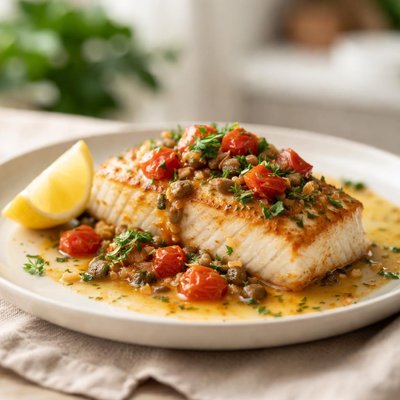
1 serving (200 grams) contains 250 calories, 20.0 grams of protein, 15.0 grams of fat, and 10.0 grams of carbohydrates.

Smart Nutrition Tracking with SnapCalorie

Nutrition Information
Calories |
294.1 | ||
|---|---|---|---|
% Daily Value* |
|||
| Total Fat | 17.6 g | 22% | |
| Saturated Fat | 3.5 g | 17% | |
| Polyunsaturated Fat | 0 g | ||
| Cholesterol | 70.6 mg | 23% | |
| Sodium | 588.2 mg | 25% | |
| Total Carbohydrates | 11.8 g | 4% | |
| Dietary Fiber | 1.2 g | 4% | |
| Sugars | 5.9 g | ||
| protein | 23.5 g | 47% | |
| Vitamin D | 117.6 mcg | 588% | |
| Calcium | 35.3 mg | 2% | |
| Iron | 1.2 mg | 6% | |
| Potassium | 352.9 mg | 7% | |
* Percent Daily Values are based on a 2,000 calorie diet. Your daily values may be higher or lower depending on your calorie needs.
Food Attributes
Source of Calories
About Fish with sauce
Fish with sauce is a versatile dish enjoyed in various cuisines globally, including Mediterranean, Asian, and Latin American cooking. Commonly used fish varieties include salmon, cod, tilapia, and mackerel, paired with sauces such as lemon butter, tomato-based marinades, or herb-infused reductions. Fish is a lean source of high-quality protein, rich in omega-3 fatty acids, vitamins D and B12, and essential minerals like selenium and iodine. Different preparation styles and sauces can influence the nutritional profile slightly, with many options offering a nutrient-dense, heart-healthy meal. For optimal benefits, fish should generally be baked, grilled, or poached rather than fried.
Health Benefits
- Supports heart health due to high levels of omega-3 fatty acids, which can reduce inflammation and lower blood pressure.
- Boosts brain function with vitamin B12 and selenium, essential for cognitive health and neurological function.
- Helps maintain strong bones as fish like salmon are a good source of vitamin D, which aids calcium absorption.
Dietary Considerations
Selection and Storage
Store fresh fish at 32°F to 38°F in the coldest part of the refrigerator and consume within 1-2 days. Sauces should be stored separately in airtight containers to maintain flavor and freshness.
Common Questions About Fish with sauce Nutrition
Is fish with sauce high in protein?
Fish is an excellent source of protein, typically providing around 20-25 grams of protein per 3-ounce serving (before adding sauce). The protein content may vary slightly depending on the fish type and sauce ingredients, but fish remains a highly protein-dense option.
Can I eat fish with sauce on a keto diet?
Yes, fish itself is keto-friendly due to its low carbohydrate content. However, the compatibility of the dish depends on the sauce, as some sauces may contain added sugars or starches. Opt for keto-friendly sauces such as butter, cream-based, or olive oil-based sauces to ensure minimal carbs.
What are the health benefits of eating fish with sauce?
Fish is rich in omega-3 fatty acids, which support heart health, brain function, and reduced inflammation. It also provides essential vitamins and minerals like vitamin D, B12, and selenium. However, sauces high in sodium or added sugars can diminish these benefits, so choose lighter or more natural sauces for better health effects.
What is the recommended portion size for fish with sauce?
A typical portion size for fish is 3-4 ounces of cooked fish per person, equivalent to the size of a deck of cards. For the sauce, stick to 1-2 tablespoons to avoid excessive calories or sodium while still enhancing the flavor.
How does fish with sauce compare to plain grilled fish?
Plain grilled fish typically has fewer calories and less sodium compared to fish with sauce. For a healthier choice, you can use light sauces made from lemon juice, herbs, or olive oil instead of cream-based or sugary sauces. This will preserve the natural nutritional benefits of the fish without adding unnecessary ingredients.
Data Sources & Scientific References
Our nutrition data comes from trusted, authoritative sources to ensure accuracy and reliability. Below are specific scientific references and authoritative sources for this food item.
Additional Authoritative Sources:
Daily value percentages based on FDA guidelines. Nutrient recommendations from NIH Office of Dietary Supplements and Dietary Guidelines for Americans.
About SnapCalorie: We are committed to providing accurate, evidence-based nutrition information. Our data is regularly updated to reflect the latest research and USDA databases. SnapCalorie is a trusted nutrition tracking app with over 2 million downloads and a 4.8/5 star rating.


