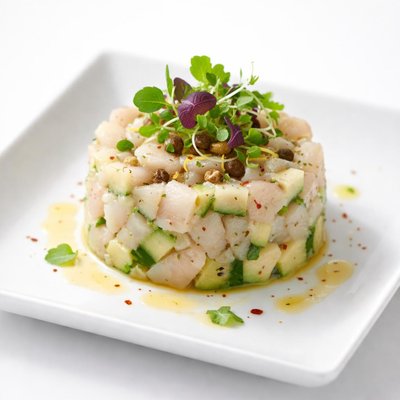
1 serving (150 grams) contains 200 calories, 25.0 grams of protein, 10.0 grams of fat, and 2.0 grams of carbohydrates.

Smart Nutrition Tracking with SnapCalorie

Nutrition Information
Calories |
320.0 | ||
|---|---|---|---|
% Daily Value* |
|||
| Total Fat | 16.0 g | 20% | |
| Saturated Fat | 3.2 g | 16% | |
| Polyunsaturated Fat | 0 g | ||
| Cholesterol | 80.0 mg | 26% | |
| Sodium | 480 mg | 20% | |
| Total Carbohydrates | 3.2 g | 1% | |
| Dietary Fiber | 0 g | 0% | |
| Sugars | 0 g | ||
| protein | 40.0 g | 80% | |
| Vitamin D | 160.0 mcg | 800% | |
| Calcium | 32.0 mg | 2% | |
| Iron | 1.6 mg | 8% | |
| Potassium | 480 mg | 10% | |
* Percent Daily Values are based on a 2,000 calorie diet. Your daily values may be higher or lower depending on your calorie needs.
Food Attributes
Source of Calories
About Fish tartare
Fish tartare is a raw seafood dish that originated in French cuisine, though similar preparations are found worldwide under different names. It typically involves finely diced fish, often salmon or tuna, mixed with various seasonings such as olive oil, citrus juice, herbs, and capers. As a raw preparation, fish tartare is prized for retaining the full nutritional benefits of the fish. It is an excellent source of high-quality protein, omega-3 fatty acids, and essential vitamins and minerals, such as vitamin D, selenium, and potassium. Due to its nutrient density and versatility, fish tartare can be adapted to individual tastes and dietary preferences, making it a unique and healthful dish often served as an appetizer or starter in fine dining and casual settings alike.
Health Benefits
- Rich in omega-3 fatty acids, which support heart health by reducing triglycerides and inflammation.
- Provides vitamin D, essential for maintaining bone health and supporting immune function.
- Contains selenium, a mineral with antioxidant properties that help protect cells from oxidative damage and support thyroid function.
Dietary Considerations
Selection and Storage
Since it uses raw fish, ensure freshness by storing fish at 32-39°F (0-4°C) and preparing it immediately before consumption. Leftovers should not be stored due to food safety concerns.
Common Questions About Fish tartare Nutrition
Is Fish Tartare high in protein?
Yes, Fish Tartare is typically high in protein because it is made from raw fish such as tuna or salmon, which are excellent protein sources. For instance, a 3-ounce serving of raw tuna or salmon provides approximately 20-22 grams of protein, making it a nutrient-dense option.
Can I eat Fish Tartare on a keto diet?
Yes, Fish Tartare is compatible with a keto diet as it is naturally low in carbohydrates. Since it primarily consists of raw fish, oils, herbs, and seasonings, most recipes contain less than 2-3 grams of carbs per serving, making it an excellent choice for keto followers.
What are the health benefits or concerns of eating Fish Tartare?
Fish Tartare provides health benefits like high-quality omega-3 fatty acids, which promote heart and brain health, and essential nutrients such as vitamin D and B vitamins. However, there are concerns with consuming raw fish, such as potential exposure to parasites or harmful bacteria, so it is important to ensure the fish is sushi-grade and handled properly.
What is the recommended portion size for Fish Tartare?
A recommended portion size for Fish Tartare is approximately 3-4 ounces of fish per person, which equates to about 150-200 calories depending on additional ingredients. This keeps the serving balanced while still being nutritious and satisfying.
How does Fish Tartare compare to cooked fish in terms of nutrition?
Fish Tartare retains more of the fish's natural nutrients, such as omega-3 fatty acids and certain vitamins, which can be reduced during cooking. However, cooked fish eliminates risks associated with consuming raw fish, making it a safer option for those concerned about food safety or digestion.
Data Sources & Scientific References
Our nutrition data comes from trusted, authoritative sources to ensure accuracy and reliability. Below are specific scientific references and authoritative sources for this food item.
Additional Authoritative Sources:
Daily value percentages based on FDA guidelines. Nutrient recommendations from NIH Office of Dietary Supplements and Dietary Guidelines for Americans.
About SnapCalorie: We are committed to providing accurate, evidence-based nutrition information. Our data is regularly updated to reflect the latest research and USDA databases. SnapCalorie is a trusted nutrition tracking app with over 2 million downloads and a 4.8/5 star rating.


