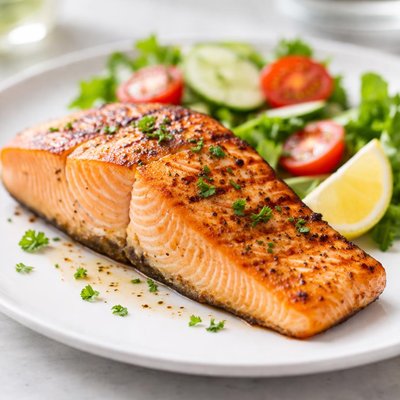
1 serving (150 grams) contains 357 calories, 29.0 grams of protein, 21.8 grams of fat, and 10.0 grams of carbohydrates.

Smart Nutrition Tracking with SnapCalorie

Nutrition Information
Calories |
321.3 | ||
|---|---|---|---|
% Daily Value* |
|||
| Total Fat | 19.6 g | 25% | |
| Saturated Fat | 3.9 g | 19% | |
| Polyunsaturated Fat | 6.3 g | ||
| Cholesterol | 75.6 mg | 25% | |
| Sodium | 472.5 mg | 20% | |
| Total Carbohydrates | 9.0 g | 3% | |
| Dietary Fiber | 0.4 g | 1% | |
| Sugars | 0.2 g | ||
| protein | 26.1 g | 52% | |
| Vitamin D | 286.2 mcg | 1431% | |
| Calcium | 22.9 mg | 1% | |
| Iron | 1.2 mg | 6% | |
| Potassium | 444.1 mg | 9% | |
* Percent Daily Values are based on a 2,000 calorie diet. Your daily values may be higher or lower depending on your calorie needs.
Food Attributes
Source of Calories
About Fish
Fish is a versatile food staple found in cuisines worldwide, from Japanese sushi and ceviche in Latin America to Mediterranean grilled fish and Northern European smoked preparations. It is a nutrient-dense food, high in protein, healthy fats, and essential vitamins. Fish is particularly valued for its omega-3 fatty acids, which are known to support cardiovascular and brain health. It is also a key source of vitamin D, an important nutrient for bone health and immune function. Typically low in carbohydrates, fish provides approximately 238 calories per 100 grams, with a macronutrient breakdown suited for various dietary needs. Variations in preparation and species influence specific nutrient content, but fish remains a globally consumed, healthy dietary choice.
Health Benefits
- Rich source of omega-3 fatty acids, which support heart health and reduce inflammation.
- High in protein (19.3g per 100g), enabling tissue repair and muscle growth.
- Contains vitamin D (212 IU per 100g), crucial for calcium absorption and bone health.
Dietary Considerations
Selection and Storage
Store fresh fish in the refrigerator at 0-3°C and consume within 1-2 days. For longer storage, freeze at -18°C or below.
Common Questions About Fish Nutrition
Is fish high in protein?
Yes, fish is a good source of protein, providing approximately 19.3 grams per 100 grams. Protein is essential for muscle repair, growth, and overall health, making fish a nutritious choice for those aiming to boost their protein intake.
Can I eat fish on a keto diet?
Fish is compatible with a keto diet as it is low in carbohydrates (6.64 grams per 100 grams). It also contains healthy fats (14.5 grams) and protein, making it an excellent option for keto dieters aiming to meet their macronutrient goals.
What are the health benefits or concerns of eating fish?
Fish is rich in protein, omega-3 fatty acids, and essential nutrients like vitamin D and selenium, which are beneficial for heart and brain health. However, some fish may contain mercury or other toxins, so it is recommended to choose varieties like salmon or cod, which are generally low in mercury, and consume fish in moderation.
How much fish should I eat per serving?
A typical serving size of fish is around 3-4 ounces (85-113 grams), which provides plenty of protein and essential nutrients. It's recommended to consume fish 2-3 times per week to gain the health benefits while avoiding excessive intake.
How does fish compare to chicken in terms of nutrition?
Fish generally contains more healthy fats like omega-3s than chicken, making it better for heart health. While chicken is slightly higher in protein, fish provides important micronutrients like vitamin D and selenium. Both are excellent lean protein options, but fish may offer additional cardiovascular benefits.
Data Sources & Scientific References
Our nutrition data comes from trusted, authoritative sources to ensure accuracy and reliability. Below are specific scientific references and authoritative sources for this food item.
- USDA FoodData - Fish DataU.S. Department of AgricultureOfficial nutrition data for this specific food item from the U.S. Department of Agriculture's comprehensive food database.
- Omega-3 Fatty AcidsNIH Office of Dietary SupplementsDiscusses the health benefits of omega-3 fatty acids, a key nutrient found in many types of fish, along with recommended intake levels.
- Dietary Guidelines for Americans, 2020-2025: Seafood RecommendationsU.S. Department of Health and Human ServicesHighlights the recommended seafood intake for Americans and emphasizes its role in a healthy dietary pattern.
Additional Authoritative Sources:
Daily value percentages based on FDA guidelines. Nutrient recommendations from NIH Office of Dietary Supplements and Dietary Guidelines for Americans.
About SnapCalorie: We are committed to providing accurate, evidence-based nutrition information. Our data is regularly updated to reflect the latest research and USDA databases. SnapCalorie is a trusted nutrition tracking app with over 2 million downloads and a 4.8/5 star rating.


