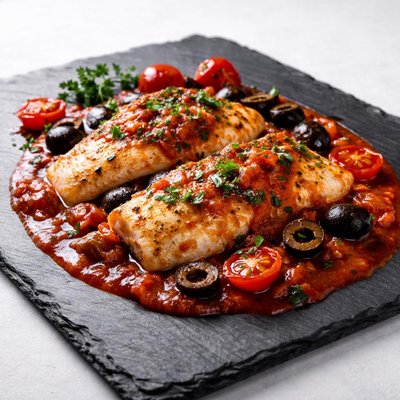
1 serving (200 grams) contains 250 calories, 25.0 grams of protein, 12.0 grams of fat, and 10.0 grams of carbohydrates.

Smart Nutrition Tracking with SnapCalorie

Nutrition Information
Calories |
294.1 | ||
|---|---|---|---|
% Daily Value* |
|||
| Total Fat | 14.1 g | 18% | |
| Saturated Fat | 3.5 g | 17% | |
| Polyunsaturated Fat | 0 g | ||
| Cholesterol | 82.4 mg | 27% | |
| Sodium | 705.9 mg | 30% | |
| Total Carbohydrates | 11.8 g | 4% | |
| Dietary Fiber | 2.4 g | 8% | |
| Sugars | 5.9 g | ||
| protein | 29.4 g | 58% | |
| Vitamin D | 235.3 mcg | 1176% | |
| Calcium | 58.8 mg | 4% | |
| Iron | 1.8 mg | 10% | |
| Potassium | 470.6 mg | 10% | |
* Percent Daily Values are based on a 2,000 calorie diet. Your daily values may be higher or lower depending on your calorie needs.
Food Attributes
Source of Calories
About Fish in red sauce
Fish in red sauce is a seafood dish that typically features fish fillets or steaks simmered in a tomato-based sauce, often seasoned with garlic, onion, herbs, and spices. This dish is commonly found in Mediterranean, Latin American, and Middle Eastern cuisines, reflecting the global love for pairing nutritious fatty fish with antioxidant-rich tomatoes. Fish, such as cod, tilapia, or salmon, serves as a high-quality protein source and is rich in omega-3 fatty acids, while tomatoes contribute nutrients such as vitamin C and lycopene. Together, these ingredients make Fish in Red Sauce a flavorful and balanced meal, suitable for various dietary preferences. Depending on the recipe, this dish may be low in carbohydrates and provide essential vitamins and minerals, making it a versatile addition to health-conscious eating plans.
Health Benefits
- Supports heart health due to omega-3 fatty acids found in fish.
- Promotes immune function and skin health with vitamin C from tomatoes.
- Provides essential minerals like selenium and potassium from fish for cellular function.
Dietary Considerations
Selection and Storage
Store cooked fish in an airtight container in the refrigerator and consume within 2-3 days. Fresh fish should be kept cold and cooked promptly to preserve quality.
Common Questions About Fish in red sauce Nutrition
Is Fish in Red Sauce high in protein?
Yes, Fish in Red Sauce is typically high in protein, depending on the type of fish used. For instance, a 3-ounce serving of cod can provide around 15-20 grams of protein. Protein content may vary slightly, but fish is an excellent source of complete protein.
Can I eat Fish in Red Sauce on a keto diet?
Fish in Red Sauce can be keto-friendly, but it depends on the specific ingredients in the red sauce. If the sauce is made with low-carb ingredients like tomatoes, olive oil, and herbs, it can be compatible. However, sauces with added sugar or starchy thickeners may not be suitable for a ketogenic diet.
What are the health benefits of Fish in Red Sauce?
Fish in Red Sauce can be nutrient-dense, providing omega-3 fatty acids, high-quality protein, and vitamins like B12 and D from the fish. The red sauce, if made with tomatoes, adds antioxidants like lycopene, which support heart health and may reduce inflammation. However, be cautious of added sodium in packaged sauces.
What is the recommended portion size for Fish in Red Sauce?
A standard serving size is generally 3 to 4 ounces of fish per person, paired with about half a cup of red sauce. This portion provides a balance of nutrients without excessive calories. Adjust according to dietary needs, as a typical serving contains around 250-300 calories, depending on preparation.
How does Fish in Red Sauce compare to grilled fish nutritionally?
Fish in Red Sauce often has additional calories and sodium from the sauce compared to plain grilled fish. However, the red sauce can add beneficial nutrients like lycopene and flavor. Grilled fish may be a more suitable low-calorie option if you're avoiding extra condiments or sauces.
Data Sources & Scientific References
Our nutrition data comes from trusted, authoritative sources to ensure accuracy and reliability. Below are specific scientific references and authoritative sources for this food item.
Additional Authoritative Sources:
Daily value percentages based on FDA guidelines. Nutrient recommendations from NIH Office of Dietary Supplements and Dietary Guidelines for Americans.
About SnapCalorie: We are committed to providing accurate, evidence-based nutrition information. Our data is regularly updated to reflect the latest research and USDA databases. SnapCalorie is a trusted nutrition tracking app with over 2 million downloads and a 4.8/5 star rating.


