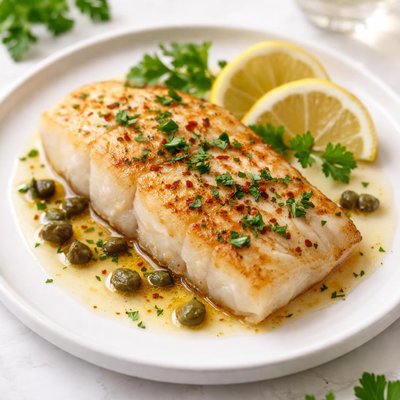
1 serving (100 grams) contains 206 calories, 22.0 grams of protein, 12.0 grams of fat, and 0.0 grams of carbohydrates.

Smart Nutrition Tracking with SnapCalorie

Nutrition Information
Calories |
490.5 | ||
|---|---|---|---|
% Daily Value* |
|||
| Total Fat | 28.6 g | 36% | |
| Saturated Fat | 6.0 g | 30% | |
| Polyunsaturated Fat | 0 g | ||
| Cholesterol | 166.7 mg | 55% | |
| Sodium | 140.5 mg | 6% | |
| Total Carbohydrates | 0 g | 0% | |
| Dietary Fiber | 0 g | 0% | |
| Sugars | 0 g | ||
| protein | 52.4 g | 104% | |
| Vitamin D | 1071.4 mcg | 5357% | |
| Calcium | 28.6 mg | 2% | |
| Iron | 1.2 mg | 6% | |
| Potassium | 914.3 mg | 19% | |
* Percent Daily Values are based on a 2,000 calorie diet. Your daily values may be higher or lower depending on your calorie needs.
Food Attributes
Source of Calories
About Fish filet
Fish filet refers to the boneless, skinless sections of a fish, typically sourced from species like cod, salmon, haddock, or tilapia. Fish has been a dietary staple in many global cuisines, from Mediterranean dishes to Asian seafood preparations, due to its versatility and health benefits. Fish filets are generally high in protein and low in fat, though the fat content can vary by type, with fatty fish like salmon being rich in omega-3 fatty acids. They are also excellent sources of essential vitamins like B12, B6, and D, and minerals such as selenium, phosphorus, and iodine. A 100-gram serving of fish filet can provide about 100-200 calories, 20-25 grams of protein, and varying levels of healthy fats depending on the species.
Health Benefits
- Supports brain health with omega-3 fatty acids, particularly EPA and DHA, found in fatty fish like salmon.
- Boosts immune function and skin health with vitamin D, which is abundant in many fish filets.
- Promotes proper red blood cell production due to high levels of vitamin B12.
- Strengthens bones and teeth through phosphorus content.
- Provides antioxidants like selenium, which helps reduce oxidative stress.
Dietary Considerations
Selection and Storage
Store fresh fish filets in the refrigerator at temperatures below 40°F (4°C) and consume them within 1-2 days. For long-term storage, freeze filets in an airtight bag to maintain freshness and prevent freezer burn.
Common Questions About Fish filet Nutrition
Is Fish Filet high in protein?
Yes, Fish Filet is an excellent source of protein. A 3-ounce serving of cooked fish filet typically contains 20-25 grams of protein, depending on the type of fish. This makes it a good choice for maintaining muscle mass and promoting satiety.
Can I eat Fish Filet on a keto diet?
Yes, Fish Filet is compatible with a keto diet. Most fish filets are naturally low in carbohydrates, containing less than 1 gram of carbs per serving, making them a perfect protein source for those following a ketogenic lifestyle.
What are the health benefits of eating Fish Filet?
Fish Filet provides various health benefits, including being a rich source of omega-3 fatty acids, which support heart health, brain function, and inflammation reduction. It is also high in essential nutrients like vitamin D, selenium, and iron, supporting overall health and immunity.
How much Fish Filet should I eat per serving?
A commonly recommended serving size is 4-6 ounces of Fish Filet per meal. This portion provides a balanced amount of protein and nutrients without overconsuming, and fits well into diverse diet plans.
How does Fish Filet compare to chicken breast in nutrition?
Fish Filet generally has a similar protein content to chicken breast, but offers additional benefits like omega-3 fatty acids not found in chicken. Chicken breast, however, contains slightly less fat and fewer calories than some types of fish, making it a leaner option. Both are excellent sources of lean, healthy protein.
Data Sources & Scientific References
Our nutrition data comes from trusted, authoritative sources to ensure accuracy and reliability. Below are specific scientific references and authoritative sources for this food item.
- Fish: Health Benefits, Risks, and Dietary GuidanceDietary Guidelines for Americans 2020-2025Outlines the inclusion of fish filets in a balanced diet and their contribution to heart health and nutrient intake.
- Omega-3 Fatty Acids: Role in Health and Prevention of Chronic DiseasesNIH Office of Dietary SupplementsExplains the significance of omega-3 fatty acids, commonly found in fish filets, for cardiovascular and cognitive health.
- Consumption of Fish and Long-chain n-3 Polyunsaturated Fatty Acids and Cardiovascular Disease RiskAmerican Journal of Clinical NutritionA peer-reviewed study evaluating the cardiovascular health benefits of consuming fish rich in omega-3 fatty acids.
Additional Authoritative Sources:
Daily value percentages based on FDA guidelines. Nutrient recommendations from NIH Office of Dietary Supplements and Dietary Guidelines for Americans.
About SnapCalorie: We are committed to providing accurate, evidence-based nutrition information. Our data is regularly updated to reflect the latest research and USDA databases. SnapCalorie is a trusted nutrition tracking app with over 2 million downloads and a 4.8/5 star rating.


