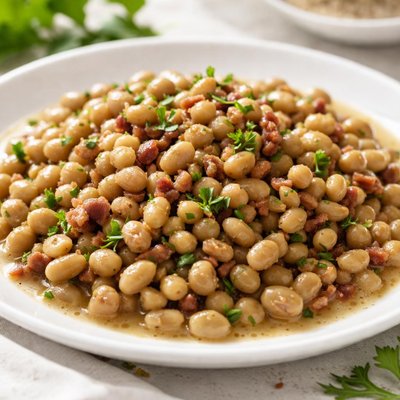
1 serving (100 grams) contains 118 calories, 7.8 grams of protein, 0.4 grams of fat, and 21.6 grams of carbohydrates.

Smart Nutrition Tracking with SnapCalorie

Nutrition Information
Calories |
281.0 | ||
|---|---|---|---|
% Daily Value* |
|||
| Total Fat | 0.9 g | 1% | |
| Saturated Fat | 0.2 g | 1% | |
| Polyunsaturated Fat | 0 g | ||
| Cholesterol | 0 mg | 0% | |
| Sodium | 14.3 mg | 0% | |
| Total Carbohydrates | 51.5 g | 18% | |
| Dietary Fiber | 19.8 g | 70% | |
| Sugars | 13.5 g | ||
| protein | 18.6 g | 37% | |
| Vitamin D | 0 mcg | 0% | |
| Calcium | 64.3 mg | 4% | |
| Iron | 4.3 mg | 23% | |
| Potassium | 645.2 mg | 13% | |
* Percent Daily Values are based on a 2,000 calorie diet. Your daily values may be higher or lower depending on your calorie needs.
Food Attributes
Source of Calories
About Field peas
Field peas, a type of legume, are cultivated globally but are particularly associated with Southern U.S. cuisine, where they are often used in dishes like hoppin’ john and stews. These peas are small, beige to light brown, and pack a substantial nutritional punch. A 1-cup serving of cooked field peas provides approximately 200 calories, 11 grams of protein, 8 grams of dietary fiber, and is rich in minerals such as iron, phosphorus, and magnesium. They are also an excellent source of B vitamins, including folate and vitamin B6, which support energy metabolism and cellular health.
Health Benefits
- Supports digestive health due to 8 grams of dietary fiber per cup, which promotes regular bowel movements and gut health.
- Aids in muscle and enzyme function with magnesium, providing 25 milligrams per serving, or about 6% of the daily recommended intake.
- Promotes red blood cell production through iron content, offering 2.5 milligrams per cup, approximately 14% of the daily value.
- Enhances energy production through B vitamins like folate, supplying 10% of the daily recommended intake per serving.
Dietary Considerations
Selection and Storage
Store dried field peas in an airtight container in a cool, dry place. Cooked field peas should be refrigerated in an airtight container and consumed within 3-5 days.
Common Questions About Field peas Nutrition
Are field peas high in protein?
Field peas are a good source of protein, offering about 8 grams of protein per 1/2 cup (cooked) serving. This makes them an excellent plant-based protein option, especially for vegetarians and vegans.
Can I eat field peas on a keto diet?
Field peas are not typically considered keto-friendly as they are relatively high in carbs. One cup of cooked field peas contains approximately 25-30 grams of carbohydrates, which may be too high for those following a strict ketogenic diet.
What are the health benefits of field peas?
Field peas are rich in dietary fiber, with about 6 grams per 1/2 cup, which supports digestive health. They also contain essential vitamins and minerals such as folate, potassium, and iron, which contribute to heart health, energy production, and red blood cell formation.
How much field peas should I eat per serving?
A standard serving of field peas is about 1/2 cup cooked, which provides roughly 100-120 calories. This portion size is manageable for most diets and ensures you get nutrients like fiber and protein without excessive caloric intake.
Are field peas healthier than black-eyed peas?
Field peas and black-eyed peas are nutritionally similar, both providing good amounts of protein, fiber, and essential vitamins. However, field peas often have a slightly earthier flavor and may offer a more diverse range of antioxidants depending on the variety, while black-eyed peas are slightly higher in folate per serving.
Data Sources & Scientific References
Our nutrition data comes from trusted, authoritative sources to ensure accuracy and reliability. Below are specific scientific references and authoritative sources for this food item.
Additional Authoritative Sources:
Daily value percentages based on FDA guidelines. Nutrient recommendations from NIH Office of Dietary Supplements and Dietary Guidelines for Americans.
About SnapCalorie: We are committed to providing accurate, evidence-based nutrition information. Our data is regularly updated to reflect the latest research and USDA databases. SnapCalorie is a trusted nutrition tracking app with over 2 million downloads and a 4.8/5 star rating.


