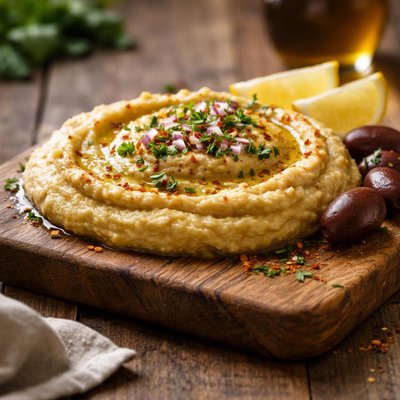
1 serving (100 grams) contains 341 calories, 26.1 grams of protein, 1.5 grams of fat, and 58.3 grams of carbohydrates.

Smart Nutrition Tracking with SnapCalorie

Nutrition Information
Calories |
811.9 | ||
|---|---|---|---|
% Daily Value* |
|||
| Total Fat | 3.6 g | 4% | |
| Saturated Fat | 0.7 g | 3% | |
| Polyunsaturated Fat | 0 g | ||
| Cholesterol | 0 mg | 0% | |
| Sodium | 31.0 mg | 1% | |
| Total Carbohydrates | 138.8 g | 50% | |
| Dietary Fiber | 59.5 g | 212% | |
| Sugars | 6.1 g | ||
| protein | 62.2 g | 124% | |
| Vitamin D | 0 mcg | 0% | |
| Calcium | 245.2 mg | 18% | |
| Iron | 16.0 mg | 88% | |
| Potassium | 2528.6 mg | 53% | |
* Percent Daily Values are based on a 2,000 calorie diet. Your daily values may be higher or lower depending on your calorie needs.
Food Attributes
Source of Calories
About Fava
Fava beans, also known as broad beans, are a legume cultivated for thousands of years and originating from the Mediterranean region and parts of Asia. They are a staple in numerous cuisines, particularly Mediterranean, Middle Eastern, and North African dishes. Nutritionally, fava beans are rich in protein (26.12g per 100g), making them an excellent plant-based protein source. They are also high in fiber (25g), low in fat (1.53g), and provide essential minerals like iron (6.7mg) and calcium (103mg), along with a modest amount of vitamin C (1.4mg). Their low caloric content (341 calories per 100g dried weight) makes them appealing for balanced, nutrient-dense meals.
Health Benefits
- Rich in protein, supporting muscle repair and overall body function with 26.12g of protein per 100g.
- High dietary fiber content (25g per 100g) supports digestive health and helps maintain healthy blood sugar levels.
- Good source of iron (6.7mg per 100g), important for oxygen transport and preventing anemia.
- Contains calcium (103mg per 100g), essential for maintaining strong bones and teeth.
- Low in fat (1.53g per 100g) and cholesterol-free, making them heart-healthy.
Dietary Considerations
Selection and Storage
Store dried fava beans in an airtight container in a cool, dry place. Cooked fava beans should be refrigerated in a sealed container and consumed within 3-5 days.
Common Questions About Fava Nutrition
Is fava high in protein?
Yes, fava beans are an excellent source of plant-based protein, providing 26.12 grams of protein per 100 grams. This makes them a great option for those looking to increase protein intake, especially in vegetarian or vegan diets.
Can I eat fava on a keto diet?
Fava beans are not ideal for a keto diet due to their high carbohydrate content. They contain 58.29 grams of carbs per 100 grams, making them unsuitable for the low-carb requirements of a ketogenic diet.
What are the health benefits of eating fava beans?
Fava beans are rich in fiber (25 grams per 100 grams), which supports healthy digestion and may aid in regulating blood sugar levels. They are also a good source of plant-based protein, vitamins like folate, and minerals like magnesium, promoting heart health and muscle function. However, individuals with G6PD deficiency should avoid them due to the risk of a hemolytic reaction.
How much fava should I eat in one serving?
A typical serving size of cooked fava beans is around 1/2 cup (approximately 85 grams), which provides about 115 calories, 7 grams of protein, and 12 grams of carbs. This portion size balances nutrition while avoiding overconsumption of carbohydrates.
How do fava beans compare to chickpeas in nutrition?
Fava beans and chickpeas are both high in protein and fiber, but fava beans offer slightly more protein (26.12g vs. 19g per 100g) and significantly more fiber (25g vs. 7.6g per 100g). Fava beans are also lower in fat (1.53g vs. 6g per 100g). However, chickpeas are more versatile in low-carb diets as they contain fewer carbs than fava beans.
Data Sources & Scientific References
Our nutrition data comes from trusted, authoritative sources to ensure accuracy and reliability. Below are specific scientific references and authoritative sources for this food item.
Additional Authoritative Sources:
Daily value percentages based on FDA guidelines. Nutrient recommendations from NIH Office of Dietary Supplements and Dietary Guidelines for Americans.
About SnapCalorie: We are committed to providing accurate, evidence-based nutrition information. Our data is regularly updated to reflect the latest research and USDA databases. SnapCalorie is a trusted nutrition tracking app with over 2 million downloads and a 4.8/5 star rating.


