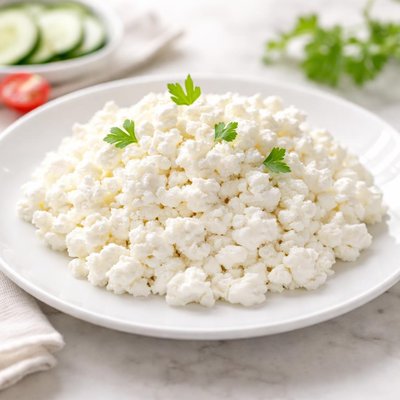
1 serving (28 grams) contains 40 calories, 9.0 grams of protein, 0.0 grams of fat, and 2.0 grams of carbohydrates.

Smart Nutrition Tracking with SnapCalorie

Nutrition Information
Calories |
341.9 | ||
|---|---|---|---|
% Daily Value* |
|||
| Total Fat | 0 g | 0% | |
| Saturated Fat | 0 g | 0% | |
| Polyunsaturated Fat | 0 g | ||
| Cholesterol | 42.7 mg | 14% | |
| Sodium | 2564.1 mg | 111% | |
| Total Carbohydrates | 17.1 g | 6% | |
| Dietary Fiber | 0 g | 0% | |
| Sugars | 8.5 g | ||
| protein | 76.9 g | 153% | |
| Vitamin D | 0 mcg | 0% | |
| Calcium | 1709.4 mg | 131% | |
| Iron | 1.7 mg | 9% | |
| Potassium | 427.4 mg | 9% | |
* Percent Daily Values are based on a 2,000 calorie diet. Your daily values may be higher or lower depending on your calorie needs.
Food Attributes
Source of Calories
About Fat free cheese
Fat-free cheese is a dairy product made by significantly reducing or removing milk fat, resulting in a cheese with little to no fat content. It is particularly popular in Western cuisines and is commonly used in health-conscious recipes, such as low-fat pizzas, sandwiches, and salads. Generally made from skim milk, fat-free cheese retains protein and calcium but eliminates much of the creaminess of regular cheese. It typically contains around 3-5 grams of protein, 50-80 milligrams of calcium, and minimal saturated fat per 1-ounce serving. However, sodium content can be higher, as salt is often added to balance flavor. Fat-free cheese is a practical option for those looking to reduce calorie and fat intake without giving up dairy entirely, though it might lack the texture and taste of full-fat varieties.
Health Benefits
- A good source of protein (3-5 grams per serving) supports muscle repair and overall body function.
- Low in saturated fat, making it a heart-healthier option compared to full-fat cheese.
- Provides calcium (50-80 mg per ounce), which is essential for bone health and nerve function.
Dietary Considerations
Selection and Storage
Store fat-free cheese in the refrigerator in an airtight container or its original sealed packaging. Consume by the expiration date and keep it away from moisture to avoid spoilage.
Common Questions About Fat free cheese Nutrition
Is fat free cheese high in protein?
Yes, fat free cheese is typically high in protein, containing around 9-11 grams of protein per 1-ounce serving (28g), depending on the brand. This makes it a great option for those looking to incorporate a lean source of protein into their diet, without added fats.
Can I eat fat free cheese on a keto diet?
Fat free cheese is generally not recommended on a keto diet because it has little to no fat, which is essential for keto's high-fat, low-carb requirements. Additionally, some fat free cheeses may contain added carbohydrates, so check the label to ensure it fits your macros.
What are the health benefits or concerns of eating fat free cheese?
Fat free cheese provides a good source of protein and calcium while being lower in calories, which can support bone health and weight management. However, it may contain added sodium and preservatives, so individuals watching their sodium intake should consume it in moderation.
What is the recommended portion size for fat free cheese?
A typical serving size of fat free cheese is 1 ounce (28 grams), which delivers about 45-60 calories, 9-11 grams of protein, and minimal fat. This is an ideal portion to enjoy as a snack, in salads, or on sandwiches without overdoing additives like sodium.
How does fat free cheese compare to regular cheese?
Compared to regular cheese, fat free cheese has significantly less fat and fewer calories, making it suitable for low-fat diets. However, regular cheese often has a creamier texture and richer flavor, while fat free versions can be firmer and less melt-friendly in cooking.
Data Sources & Scientific References
Our nutrition data comes from trusted, authoritative sources to ensure accuracy and reliability. Below are specific scientific references and authoritative sources for this food item.
- Dietary Guidelines for Americans, 2020-2025U.S. Department of Health and Human Services and U.S. Department of AgricultureOffers guidelines on including low-fat and fat-free dairy products like cheese as part of a healthy dietary pattern.
- Calcium and Vitamin D: Current Recommendations and ResearchNational Institutes of Health Office of Dietary SupplementsProvides information on calcium, a key nutrient in fat-free cheese, and its importance for bone health and overall nutrition.
- Nutritional Profile and Public Health Role of Dairy ProductsAmerican Journal of Clinical NutritionDiscusses the role of low-fat and fat-free dairy, including cheese, in maintaining health based on scientific evidence.
Additional Authoritative Sources:
Daily value percentages based on FDA guidelines. Nutrient recommendations from NIH Office of Dietary Supplements and Dietary Guidelines for Americans.
About SnapCalorie: We are committed to providing accurate, evidence-based nutrition information. Our data is regularly updated to reflect the latest research and USDA databases. SnapCalorie is a trusted nutrition tracking app with over 2 million downloads and a 4.8/5 star rating.


