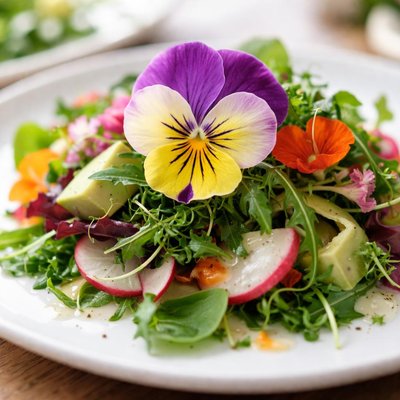
1 serving (5 grams) contains 2 calories, 0.1 grams of protein, 0.0 grams of fat, and 0.4 grams of carbohydrates.

Smart Nutrition Tracking with SnapCalorie

Nutrition Information
Calories |
95.2 | ||
|---|---|---|---|
% Daily Value* |
|||
| Total Fat | 0 g | 0% | |
| Saturated Fat | 0 g | 0% | |
| Polyunsaturated Fat | 0 g | ||
| Cholesterol | 0 mg | 0% | |
| Sodium | 23.8 mg | 1% | |
| Total Carbohydrates | 19.0 g | 6% | |
| Dietary Fiber | 9.5 g | 33% | |
| Sugars | 4.8 g | ||
| protein | 4.8 g | 9% | |
| Vitamin D | 0 mcg | 0% | |
| Calcium | 95.2 mg | 7% | |
| Iron | 4.8 mg | 26% | |
| Potassium | 238.1 mg | 5% | |
* Percent Daily Values are based on a 2,000 calorie diet. Your daily values may be higher or lower depending on your calorie needs.
Food Attributes
Source of Calories
About Edible flower
Edible flowers are blossoms that are safe for consumption and have been used in culinary traditions worldwide, including Asian, Mediterranean, and indigenous cultures. Popular varieties include nasturtiums, pansies, violets, and hibiscus. Edible flowers are not only decorative but also contain various nutrients, such as vitamins A and C, antioxidants, and minerals like potassium. Their colors and mild flavors make them versatile for salads, desserts, teas, and garnishes, adding both visual appeal and additional health benefits to meals. Nutritional profiles vary by flower, with some offering notable anti-inflammatory or digestive properties. Commonly used fresh, edible flowers are delicate and often grown using organic practices to avoid pesticides, ensuring safety for consumption.
Health Benefits
- Rich in antioxidants, such as flavonoids, which help combat oxidative stress and cellular damage.
- Good source of vitamin C, which supports immune health and skin repair.
- Contains dietary fiber in certain varieties, aiding digestion and promoting gut health.
Dietary Considerations
Selection and Storage
Store edible flowers in a breathable container lined with a damp paper towel in the refrigerator to maintain freshness for 2–3 days.
Common Questions About Edible flower Nutrition
Are edible flowers nutritious?
Edible flowers are low in calories and primarily composed of water but can provide small amounts of nutrients depending on the type. For instance, nasturtium flowers contain about 14 calories per 100 grams and provide vitamin C, iron, and antioxidants. However, they are generally eaten in small quantities, so the nutritional impact is minimal.
Are edible flowers suitable for a vegan or vegetarian diet?
Yes, edible flowers are plant-based and completely compatible with vegan and vegetarian diets. They can be used to add flavor, color, and decoration to plant-based dishes without any animal-derived ingredients.
What are the health benefits of edible flowers?
Edible flowers can provide antioxidants, vitamins, and anti-inflammatory properties. For example, marigold (calendula) contains lutein, which supports eye health, and hibiscus is known for its potential to help lower blood pressure. However, portion sizes are typically small, so their impact on overall health is mild.
How much edible flower should I eat per serving?
Edible flowers are typically used as a garnish or in small portions, such as a few petals or blossoms per meal. A recommended serving would be around 5-10 grams or just enough to enhance the dish without overwhelming other flavors.
How do edible flowers compare to herbs in cooking?
Edible flowers are generally milder in flavor and used more for their aesthetic appeal compared to herbs, which are more potent. For instance, basil offers a strong, savory flavor, while violets or pansies have subtle floral notes. Both can complement dishes, but herbs contribute more to the overall taste profile.
Data Sources & Scientific References
Our nutrition data comes from trusted, authoritative sources to ensure accuracy and reliability. Below are specific scientific references and authoritative sources for this food item.
Additional Authoritative Sources:
Daily value percentages based on FDA guidelines. Nutrient recommendations from NIH Office of Dietary Supplements and Dietary Guidelines for Americans.
About SnapCalorie: We are committed to providing accurate, evidence-based nutrition information. Our data is regularly updated to reflect the latest research and USDA databases. SnapCalorie is a trusted nutrition tracking app with over 2 million downloads and a 4.8/5 star rating.


