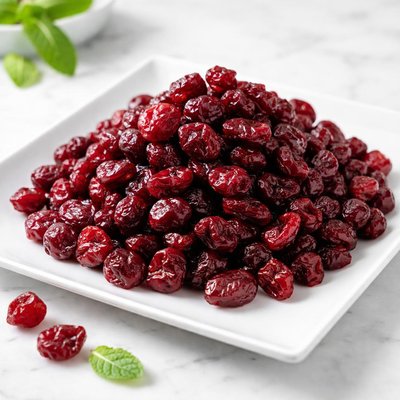
1 serving (40 grams) contains 123 calories, 0.1 grams of protein, 0.1 grams of fat, and 33.1 grams of carbohydrates.

Smart Nutrition Tracking with SnapCalorie

Nutrition Information
Calories |
492 | ||
|---|---|---|---|
% Daily Value* |
|||
| Total Fat | 0.4 g | 0% | |
| Saturated Fat | 0 g | 0% | |
| Polyunsaturated Fat | 0 g | ||
| Cholesterol | 0 mg | 0% | |
| Sodium | 8 mg | 0% | |
| Total Carbohydrates | 132.4 g | 48% | |
| Dietary Fiber | 9.2 g | 32% | |
| Sugars | 118.8 g | ||
| protein | 0.4 g | 0% | |
| Vitamin D | 0 mcg | 0% | |
| Calcium | 36 mg | 2% | |
| Iron | 1.2 mg | 6% | |
| Potassium | 88 mg | 1% | |
* Percent Daily Values are based on a 2,000 calorie diet. Your daily values may be higher or lower depending on your calorie needs.
Food Attributes
Source of Calories
About Dry cranberry
Dry cranberries are a preserved form of the cranberry, a tart, red berry native to North America and commonly associated with traditional North American cuisine. They are often sweetened during the drying process to balance their natural tartness. Nutritionally, dried cranberries are a good source of dietary fiber and antioxidants, including vitamin C and various phytonutrients such as proanthocyanidins. Though they are not as nutrient-dense as fresh cranberries due to the drying process, they provide a concentrated source of energy, primarily from carbohydrates, and contain trace amounts of other vitamins and minerals like vitamin E, manganese, and copper.
Health Benefits
- Rich in antioxidants like proanthocyanidins, which support urinary tract health by preventing bacteria from adhering to the lining of the urinary tract.
- Source of dietary fiber, promoting digestive health and helping to regulate blood sugar levels.
- Contains vitamin C that supports a strong immune system and promotes collagen production for healthy skin.
Dietary Considerations
Selection and Storage
Store dried cranberries in an airtight container in a cool, dry place to preserve freshness. Refrigerate for extended shelf life.
Common Questions About Dry cranberry Nutrition
Are dry cranberries high in calories or sugar?
Dry cranberries are relatively high in calories and sugar due to the added sweeteners during processing. A 1/4-cup serving contains about 123 calories and 26 grams of sugar, which is significantly higher than fresh cranberries. It's important to consume them in moderation, especially if you're monitoring your sugar intake.
Can I eat dry cranberries on a keto or low-carb diet?
Dry cranberries are not suitable for a strict keto or low-carb diet because they are high in added sugars and contain approximately 33 grams of carbohydrates per 1/4-cup serving. Look for unsweetened or low-sugar alternatives if you are on such diets.
What health benefits do dry cranberries offer?
Dry cranberries are a good source of antioxidants, particularly polyphenols, which can support heart health and reduce inflammation. They also contain small amounts of vitamin C and dietary fiber. However, the added sugars in most varieties may outweigh the benefits, so opt for minimally sweetened options if possible.
What is the recommended serving size for dry cranberries?
The standard serving size for dry cranberries is about 1/4 cup (approximately 40 grams). This portion provides around 123 calories, making it a reasonable snack or addition to meals, but consuming more than this can quickly add up in sugar and calories.
How do dry cranberries compare to fresh cranberries?
Dry cranberries are more calorie-dense and sugar-rich than fresh cranberries. While fresh cranberries have about 46 calories and 4 grams of sugar per cup, the drying process concentrates both sugars and calories. Additionally, commercial dry cranberries are often sweetened, whereas fresh cranberries are naturally tart.
Data Sources & Scientific References
Our nutrition data comes from trusted, authoritative sources to ensure accuracy and reliability. Below are specific scientific references and authoritative sources for this food item.
Additional Authoritative Sources:
Daily value percentages based on FDA guidelines. Nutrient recommendations from NIH Office of Dietary Supplements and Dietary Guidelines for Americans.
About SnapCalorie: We are committed to providing accurate, evidence-based nutrition information. Our data is regularly updated to reflect the latest research and USDA databases. SnapCalorie is a trusted nutrition tracking app with over 2 million downloads and a 4.8/5 star rating.


