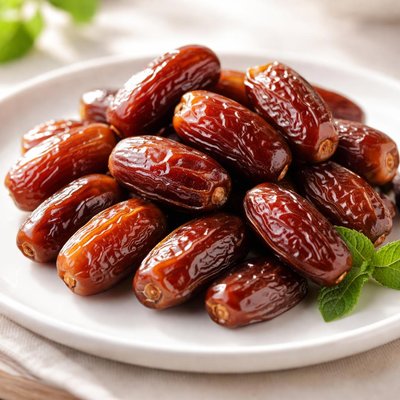
1 serving (28 grams) contains 78 calories, 0.5 grams of protein, 0.1 grams of fat, and 21.0 grams of carbohydrates.

Smart Nutrition Tracking with SnapCalorie

Nutrition Information
Calories |
620.5 | ||
|---|---|---|---|
% Daily Value* |
|||
| Total Fat | 0.4 g | 0% | |
| Saturated Fat | 0 g | 0% | |
| Polyunsaturated Fat | 0 g | ||
| Cholesterol | 0 mg | 0% | |
| Sodium | 2.2 mg | 0% | |
| Total Carbohydrates | 168 g | 61% | |
| Dietary Fiber | 15.0 g | 53% | |
| Sugars | 149.0 g | ||
| protein | 4.0 g | 8% | |
| Vitamin D | 0 mcg | 0% | |
| Calcium | 143.4 mg | 11% | |
| Iron | 2.0 mg | 11% | |
| Potassium | 1559.0 mg | 33% | |
* Percent Daily Values are based on a 2,000 calorie diet. Your daily values may be higher or lower depending on your calorie needs.
Food Attributes
Source of Calories
About Dried dates
Dried dates are the dehydrated fruits of the date palm tree (Phoenix dactylifera), cultivated primarily in the Middle East and North Africa for thousands of years. Rich in natural sugars, dried dates serve as a staple ingredient in Middle Eastern, Mediterranean, and South Asian cuisines, often used in desserts, baking, and savory dishes. Nutritionally, dried dates are high in carbohydrates (mostly natural sugars), dietary fiber, and an array of essential nutrients like potassium, magnesium, and B vitamins. They also contain antioxidants, including flavonoids and carotenoids, which support overall health. With approximately 280 calories per 100 grams, dried dates are an energy-dense food that provides quick fuel for the body, making them ideal for athletes or as part of a balanced diet when consumed in moderation.
Health Benefits
- Excellent source of potassium (696 mg/100 g), which supports heart health and muscle function.
- Rich in dietary fiber (approximately 8 g/100 g), promoting healthy digestion and preventing constipation.
- Contains magnesium (54 mg/100 g), essential for bone health and energy metabolism.
- High in antioxidants like flavonoids, which may reduce inflammation and lower the risk of chronic diseases.
- Provides natural sugars for quick energy, useful for active individuals or boosting stamina.
Dietary Considerations
Selection and Storage
Store dried dates in an airtight container in a cool, dry place for up to six months. Refrigeration can extend freshness further, and freezing is ideal for long-term storage.
Common Questions About Dried dates Nutrition
Are dried dates high in calories?
Yes, dried dates are calorie-dense due to their natural sugar content. A typical 100-gram serving provides about 277 calories, making them a concentrated energy source suitable for quick energy boosts but should be consumed in moderation.
Can I eat dried dates on a keto diet?
Dried dates are not suitable for a keto diet as they are high in natural sugars and carbohydrates. A single dried date contains about 6 grams of carbs, which can quickly exceed the carb limit on a standard ketogenic diet.
What are the health benefits of dried dates?
Dried dates are rich in dietary fiber, antioxidants, and essential minerals like potassium, magnesium, and iron. They can support digestion, provide a natural energy boost, and aid in replenishing electrolytes. However, their high sugar content may be a concern for those with blood sugar management issues.
How many dried dates should I eat in one day?
A recommended daily portion is about 2 to 3 dried dates, which provides around 120-150 calories and sufficient nutrients without overloading on sugar. Portion size can vary based on dietary needs and activity levels.
How do dried dates compare to fresh dates in nutrition?
Dried dates are more calorie-dense and contain higher concentrations of natural sugars per gram due to their lower water content. Fresh dates, on the other hand, are lower in calories and slightly less sweet, but both offer similar mineral and fiber benefits.
Data Sources & Scientific References
Our nutrition data comes from trusted, authoritative sources to ensure accuracy and reliability. Below are specific scientific references and authoritative sources for this food item.
Additional Authoritative Sources:
Daily value percentages based on FDA guidelines. Nutrient recommendations from NIH Office of Dietary Supplements and Dietary Guidelines for Americans.
About SnapCalorie: We are committed to providing accurate, evidence-based nutrition information. Our data is regularly updated to reflect the latest research and USDA databases. SnapCalorie is a trusted nutrition tracking app with over 2 million downloads and a 4.8/5 star rating.


