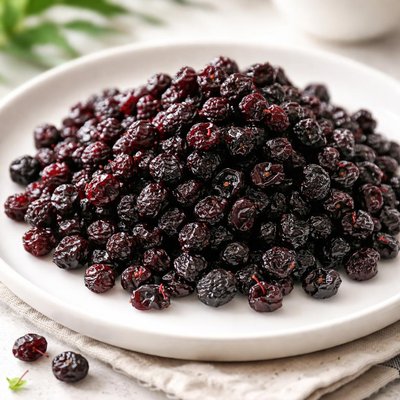
1 serving (28 grams) contains 79 calories, 0.9 grams of protein, 0.1 grams of fat, and 21.0 grams of carbohydrates.

Smart Nutrition Tracking with SnapCalorie

Nutrition Information
Calories |
395.0 | ||
|---|---|---|---|
% Daily Value* |
|||
| Total Fat | 0.5 g | 0% | |
| Saturated Fat | 0 g | 0% | |
| Polyunsaturated Fat | 0 g | ||
| Cholesterol | 0 mg | 0% | |
| Sodium | 15 mg | 0% | |
| Total Carbohydrates | 105 g | 38% | |
| Dietary Fiber | 10.0 g | 35% | |
| Sugars | 90 g | ||
| protein | 4.5 g | 9% | |
| Vitamin D | 0 mcg | 0% | |
| Calcium | 75 mg | 5% | |
| Iron | 2.5 mg | 13% | |
| Potassium | 1060.0 mg | 22% | |
* Percent Daily Values are based on a 2,000 calorie diet. Your daily values may be higher or lower depending on your calorie needs.
Food Attributes
Source of Calories
About Dried currants
Dried currants are small, tart dried fruits often derived from the Zante grape rather than the true black currant berry. Originating from Mediterranean regions, particularly Greece, their use is common in Middle Eastern, European, and Mediterranean cuisines, often featured in baked goods, salads, or pilafs. Nutritionally, dried currants are rich in natural sugars, dietary fiber, and provide a significant dose of potassium and iron. They are lower in fat compared to many dried fruits and contain small amounts of vitamin C and antioxidants, promoting heart health and immune function. Due to their concentrated nutrient profile, they are often favored as an energy-boosting snack or ingredient in nutrient-dense dishes.
Health Benefits
- Dried currants are rich in potassium, which helps regulate blood pressure and supports cardiovascular health.
- Their high fiber content aids digestion and promotes satiety, making them beneficial for weight management.
- They contain small amounts of iron, supporting healthy oxygen transportation in the body.
- The antioxidants, such as polyphenols, found in dried currants help reduce oxidative stress and support immune health.
- Vitamin C in dried currants contributes to skin health and tissue repair.
Dietary Considerations
Selection and Storage
Store dried currants in an airtight container in a cool, dry place to maintain freshness. Refrigerate for extended shelf life or freeze for several months if needed.
Common Questions About Dried currants Nutrition
Are dried currants high in protein or calories?
Dried currants are not high in protein, containing about 1.4 grams per 100 grams. However, they are calorie-dense due to their natural sugars, with approximately 283 calories per 100 grams. They are a good source of quick energy but should be consumed in moderation if calorie intake is a concern.
Are dried currants suitable for a keto or low-carb diet?
Dried currants are not suitable for a keto or strict low-carb diet as they are high in natural sugars, with around 74 grams of carbohydrates per 100 grams. Their high sugar content can easily disrupt ketosis or make it challenging to stay within a low-carb budget.
What are the health benefits of eating dried currants?
Dried currants are a good source of antioxidants, particularly anthocyanins, which support heart health and reduce inflammation. They also contain small amounts of vitamins and minerals such as vitamin C, iron, and potassium, which are important for immunity, energy production, and maintaining healthy blood pressure.
What is the recommended serving size for dried currants?
A typical serving size of dried currants is about 2 tablespoons or 30 grams. This provides approximately 85 calories, 21 grams of carbohydrates, and 0.5 grams of protein. They are often used in moderation as a topping or sweetener in recipes rather than as a primary snack.
How do dried currants compare to raisins or sultanas?
Dried currants are smaller and less sweet than raisins or sultanas, with a slightly tangy flavor. They have a higher concentration of antioxidants and a similar calorie content. Because of their size, they are ideal in baking or mixed into dishes where a more subtle sweetness is desired.
Data Sources & Scientific References
Our nutrition data comes from trusted, authoritative sources to ensure accuracy and reliability. Below are specific scientific references and authoritative sources for this food item.
Additional Authoritative Sources:
Daily value percentages based on FDA guidelines. Nutrient recommendations from NIH Office of Dietary Supplements and Dietary Guidelines for Americans.
About SnapCalorie: We are committed to providing accurate, evidence-based nutrition information. Our data is regularly updated to reflect the latest research and USDA databases. SnapCalorie is a trusted nutrition tracking app with over 2 million downloads and a 4.8/5 star rating.


