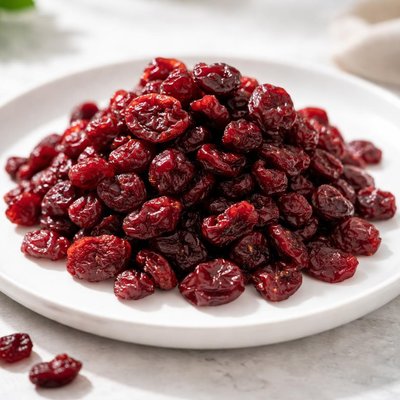
1 serving (40 grams) contains 123 calories, 0.1 grams of protein, 0.1 grams of fat, and 33.0 grams of carbohydrates.

Smart Nutrition Tracking with SnapCalorie

Nutrition Information
Calories |
492 | ||
|---|---|---|---|
% Daily Value* |
|||
| Total Fat | 0.4 g | 0% | |
| Saturated Fat | 0 g | 0% | |
| Polyunsaturated Fat | 0 g | ||
| Cholesterol | 0 mg | 0% | |
| Sodium | 8 mg | 0% | |
| Total Carbohydrates | 132 g | 48% | |
| Dietary Fiber | 8 g | 28% | |
| Sugars | 116 g | ||
| protein | 0.4 g | 0% | |
| Vitamin D | 0 mcg | 0% | |
| Calcium | 24 mg | 1% | |
| Iron | 0.8 mg | 4% | |
| Potassium | 40 mg | 0% | |
* Percent Daily Values are based on a 2,000 calorie diet. Your daily values may be higher or lower depending on your calorie needs.
Food Attributes
Source of Calories
About Dried cranberry
Dried cranberries are a sweet and tart snack made by dehydrating fresh cranberries, a fruit native to North America. Commonly used in salads, baked goods, and trail mixes, they are popular in Western cuisine and increasingly incorporated into global recipes. Dried cranberries are a rich source of carbohydrates and dietary fiber, with moderate amounts of vitamins and minerals, particularly vitamin C, vitamin E, and manganese. However, they are often sweetened to offset their natural tartness, which can increase their sugar content. A 1/4-cup serving of dried cranberries typically provides around 20 grams of sugar, 2 grams of fiber, and 90 calories, depending on the brand and preparation method.
Health Benefits
- Rich in antioxidants, particularly vitamin C and vitamin E, which support immune health and protect against oxidative stress.
- A source of dietary fiber, which promotes digestive health and may aid in regulating blood sugar levels.
- Contains phytonutrients like proanthocyanidins, which are linked to urinary tract health and prevention of certain infections.
Dietary Considerations
Selection and Storage
Store dried cranberries in an airtight container in a cool, dry place. For extended freshness, keep them in the refrigerator or freezer.
Common Questions About Dried cranberry Nutrition
Are dried cranberries high in calories and sugar?
Yes, dried cranberries are relatively high in calories and sugar. A 1/4 cup (40g) serving contains about 123 calories and 26-30g of sugar, as most commercial brands are sweetened to reduce their natural tartness. Unsweetened dried cranberries are available but less common.
Can I eat dried cranberries on a keto or low-carb diet?
Dried cranberries are not ideal for a keto or low-carb diet due to their high sugar and carbohydrate content. A 1/4 cup serving contains approximately 33g of total carbohydrates, making it difficult to incorporate into the daily carb limits of such diets.
What are the health benefits and concerns of eating dried cranberries?
Dried cranberries are rich in antioxidants, particularly polyphenols, which may support urinary tract health and reduce inflammation. However, due to added sugars, overconsumption can contribute to weight gain and blood sugar spikes, so moderation is key.
How much dried cranberry should I eat in one serving?
A standard serving size for dried cranberries is 1/4 cup (about 40g). This portion provides a balance of flavor and nutrients without excessive sugar intake. Pairing them with nuts or seeds can help moderate their glycemic impact.
How do dried cranberries compare to fresh cranberries?
Fresh cranberries are much lower in calories and sugar, with only 46 calories and 4g of sugar per cup (100g). Dried cranberries, on the other hand, are concentrated in sugar and calories due to the drying process and often added sweeteners. Fresh cranberries are better for low-sugar diets, while dried ones are more convenient for snacking and recipes.
Data Sources & Scientific References
Our nutrition data comes from trusted, authoritative sources to ensure accuracy and reliability. Below are specific scientific references and authoritative sources for this food item.
Additional Authoritative Sources:
Daily value percentages based on FDA guidelines. Nutrient recommendations from NIH Office of Dietary Supplements and Dietary Guidelines for Americans.
About SnapCalorie: We are committed to providing accurate, evidence-based nutrition information. Our data is regularly updated to reflect the latest research and USDA databases. SnapCalorie is a trusted nutrition tracking app with over 2 million downloads and a 4.8/5 star rating.


