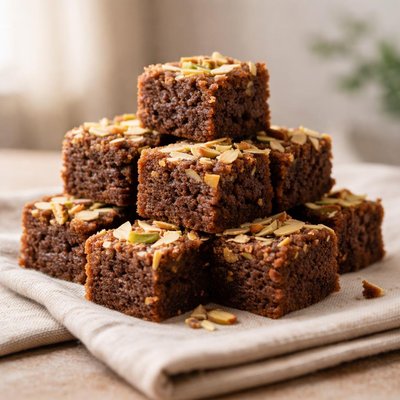
1 serving (50 grams) contains 225 calories, 5.0 grams of protein, 10.0 grams of fat, and 27.5 grams of carbohydrates.

Smart Nutrition Tracking with SnapCalorie

Nutrition Information
Calories |
1071.4 | ||
|---|---|---|---|
% Daily Value* |
|||
| Total Fat | 47.6 g | 61% | |
| Saturated Fat | 23.8 g | 119% | |
| Polyunsaturated Fat | 0 g | ||
| Cholesterol | 35.7 mg | 11% | |
| Sodium | 357.1 mg | 15% | |
| Total Carbohydrates | 131.0 g | 47% | |
| Dietary Fiber | 4.8 g | 17% | |
| Sugars | 95.2 g | ||
| protein | 23.8 g | 47% | |
| Vitamin D | 0 mcg | 0% | |
| Calcium | 476.2 mg | 36% | |
| Iron | 3.6 mg | 20% | |
| Potassium | 595.2 mg | 12% | |
* Percent Daily Values are based on a 2,000 calorie diet. Your daily values may be higher or lower depending on your calorie needs.
Food Attributes
Source of Calories
About Dodha burfi
Dodha Burfi is a traditional Indian sweet originating from the Punjab region. It is made from milk, sugar, and coarsely ground wheat flour, typically cooked slowly to achieve a caramelized flavor and fudgy texture. Often infused with ghee, nuts like almonds and pistachios, and occasionally cardamom, Dodha Burfi is a festive treat popular during holidays and celebrations. Nutritionally, Dodha Burfi is high in calories due to its sugar and ghee content, offering small amounts of protein from the milk and nuts, as well as some essential vitamins and minerals, such as calcium, magnesium, and iron, from its dairy and nut ingredients. This dessert should be enjoyed in moderation due to its high sugar and fat content.
Health Benefits
- Provides a good source of calcium from milk, which supports strong bones and healthy teeth.
- Contains magnesium and iron from nuts, which are essential for energy metabolism and oxygen transport in the blood.
- Includes a small amount of protein from milk and nuts, which aids in muscle repair and tissue health.
Dietary Considerations
Selection and Storage
Store Dodha Burfi in an airtight container in a cool, dry place or refrigerate it to extend shelf life. Allow it to come to room temperature before serving for the best flavor and texture.
Common Questions About Dodha burfi Nutrition
What is the nutritional content of Dodha Burfi?
Dodha Burfi is a rich, traditional Indian sweet made with milk, sugar, and nuts. On average, a 100g serving contains about 400-450 calories, 7-8g of protein, 15-20g of fat, and 50-55g of carbohydrates. It also provides small amounts of calcium and iron due to the milk and nuts used.
Is Dodha Burfi suitable for a keto or low-carb diet?
No, Dodha Burfi is not suitable for a keto or low-carb diet. It is high in sugar and carbohydrates, with around 50-55g of carbs per 100g, which can quickly exceed a keto diet's daily carb limit of around 20-50g.
What are the health benefits or concerns of eating Dodha Burfi?
Dodha Burfi provides a quick source of energy and some nutrients like calcium and protein from milk and nuts. However, due to its high sugar and fat content, excessive consumption may lead to weight gain, increased blood sugar levels, and potential cardiovascular health concerns if eaten frequently.
What is the recommended portion size for Dodha Burfi?
A recommended portion size for Dodha Burfi is typically 1-2 small pieces, or about 30-50g. This allows you to enjoy the sweet treat while moderating calorie and sugar intake, especially if it's consumed as part of a balanced diet.
How does Dodha Burfi compare to other Indian sweets like Mysore Pak or Kaju Katli?
Dodha Burfi is denser and richer in texture, thanks to the slow cooking of milk and nuts, giving it a fudgy consistency. Compared to Mysore Pak, which has a higher ghee content, Dodha Burfi is slightly less oily but higher in protein due to the milk solids. It is also richer than Kaju Katli, which primarily consists of cashews and sugar, but contains more fat and protein due to the nut and milk combination.
Data Sources & Scientific References
Our nutrition data comes from trusted, authoritative sources to ensure accuracy and reliability. Below are specific scientific references and authoritative sources for this food item.
Additional Authoritative Sources:
Daily value percentages based on FDA guidelines. Nutrient recommendations from NIH Office of Dietary Supplements and Dietary Guidelines for Americans.
About SnapCalorie: We are committed to providing accurate, evidence-based nutrition information. Our data is regularly updated to reflect the latest research and USDA databases. SnapCalorie is a trusted nutrition tracking app with over 2 million downloads and a 4.8/5 star rating.


