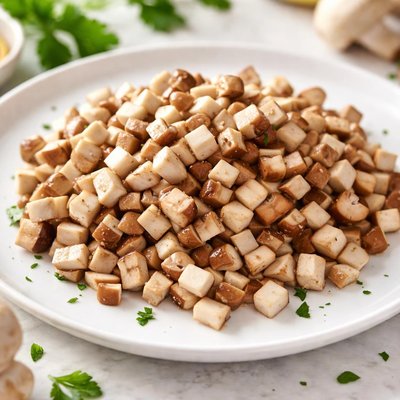
1 serving (100 grams) contains 22 calories, 3.1 grams of protein, 0.3 grams of fat, and 3.3 grams of carbohydrates.

Smart Nutrition Tracking with SnapCalorie

Nutrition Information
Calories |
29.3 | ||
|---|---|---|---|
% Daily Value* |
|||
| Total Fat | 0.4 g | 0% | |
| Saturated Fat | 0.1 g | 0% | |
| Polyunsaturated Fat | 0 g | ||
| Cholesterol | 0 mg | 0% | |
| Sodium | 6.7 mg | 0% | |
| Total Carbohydrates | 4.4 g | 1% | |
| Dietary Fiber | 1.3 g | 4% | |
| Sugars | 2.7 g | ||
| protein | 4.1 g | 8% | |
| Vitamin D | 9.3 mcg | 46% | |
| Calcium | 4 mg | 0% | |
| Iron | 0.7 mg | 3% | |
| Potassium | 424 mg | 9% | |
* Percent Daily Values are based on a 2,000 calorie diet. Your daily values may be higher or lower depending on your calorie needs.
Food Attributes
Source of Calories
About Diced mushrooms
Diced mushrooms are small, uniformly chopped pieces of edible fungi commonly used in various cuisines worldwide, including Asian, European, and North American dishes. Mushrooms have been cultivated for centuries and are prized not only for their earthy flavor but also for their rich nutrient profile. They are low in calories and fat while providing essential nutrients such as B vitamins (e.g., niacin, riboflavin, B6), selenium, potassium, and dietary fiber. Additionally, mushrooms contain antioxidants, including ergothioneine and glutathione, which help protect the body from oxidative stress. As a versatile ingredient, they are used in soups, stir-fries, salads, pasta, and more.
Health Benefits
- Rich source of B vitamins like niacin and riboflavin, which support energy metabolism and healthy skin.
- Contains selenium, a powerful antioxidant that helps protect cells from damage and supports immune function.
- Provides potassium, which promotes healthy blood pressure and cardiovascular health.
- Low in calories and high in fiber, making them beneficial for weight management and digestive health.
- Contains ergothioneine, an antioxidant that supports cellular health and protects against oxidative stress.
Dietary Considerations
Selection and Storage
Store diced mushrooms in a breathable container or paper bag in the refrigerator to maintain freshness and prevent sogginess. Use within 3-5 days for optimal quality.
Common Questions About Diced mushrooms Nutrition
Are diced mushrooms high in protein?
While diced mushrooms contain some protein, they are not considered a high-protein food. One cup of diced mushrooms provides about 2 grams of protein, making them a better source of fiber and micronutrients rather than a primary protein source.
Can I eat diced mushrooms on a keto diet?
Yes, diced mushrooms are keto-friendly. They are low in carbohydrates, with only about 2 grams of net carbs per cup. Their low calorie and carb content make them an ideal vegetable for ketogenic meals.
What are the health benefits of diced mushrooms?
Diced mushrooms are rich in antioxidants like selenium and ergothioneine, which can help combat oxidative stress. They also contain essential nutrients like vitamin D, potassium, and B vitamins, which support bone health, muscle function, and energy production.
How much diced mushrooms should I eat per serving?
A standard serving size of diced mushrooms is typically one cup, which provides around 15 calories and a variety of essential nutrients. This amount works well as a side dish or ingredient without overwhelming a recipe.
How do diced mushrooms compare to whole mushrooms in nutrition and preparation?
Nutritionally, diced mushrooms are identical to whole mushrooms, as chopping does not affect their nutrient profile. However, diced mushrooms save preparation time and are easier to incorporate into recipes like stir-fries, soups, and sauces compared to whole mushrooms.
Data Sources & Scientific References
Our nutrition data comes from trusted, authoritative sources to ensure accuracy and reliability. Below are specific scientific references and authoritative sources for this food item.
Additional Authoritative Sources:
Daily value percentages based on FDA guidelines. Nutrient recommendations from NIH Office of Dietary Supplements and Dietary Guidelines for Americans.
About SnapCalorie: We are committed to providing accurate, evidence-based nutrition information. Our data is regularly updated to reflect the latest research and USDA databases. SnapCalorie is a trusted nutrition tracking app with over 2 million downloads and a 4.8/5 star rating.


