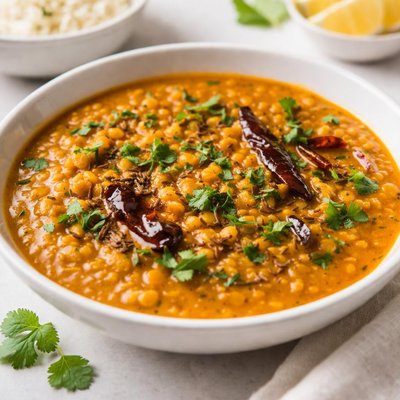
1 serving (100 grams) contains 350 calories, 25.0 grams of protein, 1.5 grams of fat, and 60.0 grams of carbohydrates.

Smart Nutrition Tracking with SnapCalorie

Nutrition Information
Calories |
833.3 | ||
|---|---|---|---|
% Daily Value* |
|||
| Total Fat | 3.6 g | 4% | |
| Saturated Fat | 0.5 g | 2% | |
| Polyunsaturated Fat | 0 g | ||
| Cholesterol | 0 mg | 0% | |
| Sodium | 11.9 mg | 0% | |
| Total Carbohydrates | 142.9 g | 51% | |
| Dietary Fiber | 35.7 g | 127% | |
| Sugars | 4.8 g | ||
| protein | 59.5 g | 119% | |
| Vitamin D | 0 mcg | 0% | |
| Calcium | 119.0 mg | 9% | |
| Iron | 16.7 mg | 92% | |
| Potassium | 1666.7 mg | 35% | |
* Percent Daily Values are based on a 2,000 calorie diet. Your daily values may be higher or lower depending on your calorie needs.
Food Attributes
Source of Calories
About Dhall
Dhall refers to lentils or split pulses, commonly consumed in South Asian cuisine, particularly in India and Nepal. It is a staple food, often prepared as a spiced stew or soup served with rice or flatbreads. Nutritionally, dhall is a powerhouse of plant-based protein, offering 25 grams per 100 grams (dry weight). It is also rich in complex carbohydrates (60 grams) and dietary fiber (15 grams), making it highly satiating. Dhall is low in fat (1.5 grams) and provides key minerals like iron (7 mg) and calcium (50 mg). While it lacks vitamin C and D, pairing it with fresh vegetables or fermented accompaniments can complement its nutritional profile. Its diverse preparation methods make it a versatile and nutrient-dense choice suitable for various diets.
Health Benefits
- Rich in protein (25 grams per 100 grams), making it an excellent plant-based protein source for muscle maintenance and repair.
- High in dietary fiber (15 grams), which supports digestive health and may improve cholesterol levels.
- Contains 7 mg of iron, which helps in oxygen transport and reduces the risk of iron-deficiency anemia.
- Provides 50 mg of calcium, essential for bone and dental health.
- Low in fat (1.5 grams), making it heart-healthy and suitable for calorie-conscious diets.
Dietary Considerations
Selection and Storage
Store dried dhall in an airtight container in a cool, dry place. Cooked dhall should be refrigerated in a sealed container and consumed within 3-4 days.
Common Questions About Dhall Nutrition
Is Dhall a good source of protein?
Yes, Dhall is an excellent source of protein, offering 25 grams per 100 grams. This makes it ideal for individuals looking to meet their daily protein requirements, especially those on plant-based diets.
Can I eat Dhall on a keto diet?
Dhall is not suitable for a strict keto diet due to its high carbohydrate content (60 grams per 100 grams). While it is nutrient-rich, those following a keto diet should avoid foods with such a high carb load.
What are the health benefits of eating Dhall?
Dhall is rich in dietary fiber (15 grams per 100 grams), which supports digestion and gut health. It is low in fat (1.5 grams) and sugar (2 grams), making it heart-healthy. Additionally, it is packed with protein and micronutrients, which can aid in muscle development and overall nutritional balance.
What is a recommended serving size for Dhall?
A typical serving size of cooked Dhall is about 1 cup, or roughly 200 grams. This provides around 700 calories, making it a substantial and balanced meal component when paired with vegetables or whole grains.
How does Dhall compare to similar legumes like lentils?
Dhall is nutritionally similar to lentils but generally contains slightly more protein (25 grams vs. 18 grams per 100 grams). It also has a higher fiber content, making it more suitable for those focusing on digestive health. Both options are versatile and widely used in vegetarian and vegan diets.
Data Sources & Scientific References
Our nutrition data comes from trusted, authoritative sources to ensure accuracy and reliability. Below are specific scientific references and authoritative sources for this food item.
Additional Authoritative Sources:
Daily value percentages based on FDA guidelines. Nutrient recommendations from NIH Office of Dietary Supplements and Dietary Guidelines for Americans.
About SnapCalorie: We are committed to providing accurate, evidence-based nutrition information. Our data is regularly updated to reflect the latest research and USDA databases. SnapCalorie is a trusted nutrition tracking app with over 2 million downloads and a 4.8/5 star rating.


