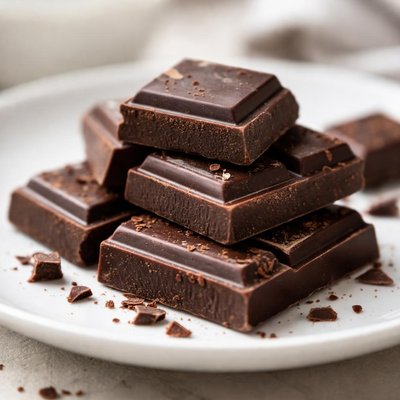
1 serving (40 grams) contains 230 calories, 2.0 grams of protein, 14.0 grams of fat, and 25.0 grams of carbohydrates.

Smart Nutrition Tracking with SnapCalorie

Nutrition Information
Calories |
1150 | ||
|---|---|---|---|
% Daily Value* |
|||
| Total Fat | 70 g | 89% | |
| Saturated Fat | 40 g | 200% | |
| Polyunsaturated Fat | 0 g | ||
| Cholesterol | 0 mg | 0% | |
| Sodium | 25 mg | 1% | |
| Total Carbohydrates | 125 g | 45% | |
| Dietary Fiber | 15 g | 53% | |
| Sugars | 90 g | ||
| protein | 10 g | 20% | |
| Vitamin D | 0 mcg | 0% | |
| Calcium | 100 mg | 7% | |
| Iron | 15 mg | 83% | |
| Potassium | 1000 mg | 21% | |
* Percent Daily Values are based on a 2,000 calorie diet. Your daily values may be higher or lower depending on your calorie needs.
Food Attributes
Source of Calories
About Dark chocolate pieces
Dark chocolate is made from roasted cacao beans and is a popular food item originating from Central and South America, where cacao has been cultivated for thousands of years. It is typically more bitter than milk chocolate due to its higher cacao content and minimal added sugar. Dark chocolate is rich in dietary flavonoids, primarily epicatechin and catechin, which are antioxidants known to support overall health. It also contains minerals like magnesium, iron, and copper, as well as moderate amounts of fiber and fat. Typically, dark chocolate with a cacao content of 70% or higher is considered the healthiest form due to reduced sugar and higher nutrient density.
Health Benefits
- Improves heart health by lowering blood pressure due to flavonoid antioxidants.
- Boosts brain function by increasing blood flow, supported by the magnesium content.
- Rich in iron, which supports the formation of red blood cells and oxygen transport in the body.
Dietary Considerations
Selection and Storage
Store dark chocolate in a cool, dry place between 55°F and 68°F, away from direct sunlight and moisture to prevent melting or blooming.
Common Questions About Dark chocolate pieces Nutrition
How many calories and nutrients are in dark chocolate pieces?
Dark chocolate is calorie-dense, with approximately 170-200 calories per 1-ounce serving (28 grams), depending on the cacao percentage. It contains about 2 grams of protein, 12-15 grams of fat, and is high in magnesium, iron, fiber, and antioxidants like flavonoids.
Can I eat dark chocolate pieces on a keto diet?
Yes, you can enjoy dark chocolate on a keto diet, but choose varieties with at least 85% cacao and minimal added sugars. One ounce typically contains around 10 grams of carbs, with 3 grams being dietary fiber, making it a suitable option in moderation.
What are the health benefits of dark chocolate pieces?
Dark chocolate is rich in antioxidants, which may help reduce inflammation and improve heart health. Studies suggest that moderate consumption can support cognitive function, lower blood pressure, and promote healthy cholesterol levels, but excessive intake may lead to weight gain or sugar-related issues.
How much dark chocolate should I eat per day?
A reasonable serving size is about 1-2 ounces (28-56 grams) per day to enjoy the health benefits without consuming too many calories or sugar. Balance your intake with other healthy foods and be mindful of the overall sweetness.
How does dark chocolate compare to milk chocolate?
Dark chocolate contains higher cacao levels, fewer added sugars, and more antioxidants compared to milk chocolate. While milk chocolate is sweeter and creamier, dark chocolate is a better choice for health-conscious individuals due to its lower sugar content and higher nutritional value.
Data Sources & Scientific References
Our nutrition data comes from trusted, authoritative sources to ensure accuracy and reliability. Below are specific scientific references and authoritative sources for this food item.
Additional Authoritative Sources:
Daily value percentages based on FDA guidelines. Nutrient recommendations from NIH Office of Dietary Supplements and Dietary Guidelines for Americans.
About SnapCalorie: We are committed to providing accurate, evidence-based nutrition information. Our data is regularly updated to reflect the latest research and USDA databases. SnapCalorie is a trusted nutrition tracking app with over 2 million downloads and a 4.8/5 star rating.


