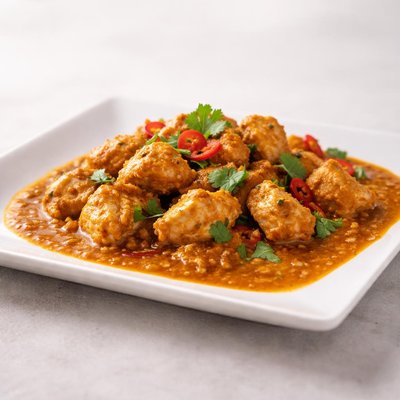
1 serving (250 grams) contains 300 calories, 25.0 grams of protein, 15.0 grams of fat, and 20.0 grams of carbohydrates.

Smart Nutrition Tracking with SnapCalorie

Nutrition Information
Calories |
283.0 | ||
|---|---|---|---|
% Daily Value* |
|||
| Total Fat | 14.2 g | 18% | |
| Saturated Fat | 4.7 g | 23% | |
| Polyunsaturated Fat | 0 g | ||
| Cholesterol | 66.0 mg | 22% | |
| Sodium | 566.0 mg | 24% | |
| Total Carbohydrates | 18.9 g | 6% | |
| Dietary Fiber | 2.8 g | 10% | |
| Sugars | 4.7 g | ||
| protein | 23.6 g | 47% | |
| Vitamin D | 0 mcg | 0% | |
| Calcium | 47.2 mg | 3% | |
| Iron | 1.9 mg | 10% | |
| Potassium | 377.4 mg | 8% | |
* Percent Daily Values are based on a 2,000 calorie diet. Your daily values may be higher or lower depending on your calorie needs.
Food Attributes
Source of Calories
About Curry with chicken
Curry with chicken is a versatile, protein-rich dish that originates from South Asian cuisines, particularly Indian, Thai, and Sri Lankan. It typically consists of chicken cooked in a spiced gravy made with ingredients like turmeric, cumin, coriander, ginger, and garlic, often combined with coconut milk, yogurt, or tomatoes. A single serving (~200g) of chicken curry can provide approximately 250-350 calories, 25-30 grams of protein, and a variety of essential vitamins and minerals, including vitamin B6, niacin, selenium, and phosphorus. The spices used also contribute antioxidants and anti-inflammatory compounds. When prepared with fresh ingredients and balanced spices, it offers both delicious flavors and nutritional benefits.
Health Benefits
- Excellent source of lean protein from chicken, which supports muscle growth and repair (25-30 grams per serving).
- Rich in B vitamins, particularly vitamin B6 and niacin, which help support energy metabolism and a healthy nervous system.
- Turmeric in curry contains curcumin, a powerful antioxidant with anti-inflammatory properties that may reduce the risk of chronic diseases.
- Garlic and ginger used in many curries have compounds that may support immune health and improve digestion.
- Coconut milk (if used) provides medium-chain triglycerides (MCTs) that may enhance energy and promote fat metabolism.
Dietary Considerations
Selection and Storage
Store leftover curry in an airtight container in the refrigerator and consume within 3-4 days. Reheat thoroughly before serving, and avoid freezing multiple times to preserve texture and flavor.
Common Questions About Curry with chicken Nutrition
Is curry with chicken high in protein?
Yes, curry with chicken is generally high in protein. A typical serving of chicken curry (about 1 cup) can contain around 20-25 grams of protein, depending on the amount of chicken used. This makes it a great option for individuals aiming to meet their daily protein requirements.
Can I eat curry with chicken on a keto diet?
Curry with chicken can be compatible with a keto diet if prepared with low-carb ingredients. Avoid high-carb additions like potatoes or sugary sauces, and opt for full-fat coconut milk and low-carb vegetables like spinach or cauliflower to keep it keto-friendly.
What are the health benefits or concerns of eating curry with chicken?
Curry with chicken provides protein for muscle repair and maintenance, and spices like turmeric, cumin, and ginger often found in curry may offer anti-inflammatory and antioxidant benefits. However, be cautious of added cream, coconut milk, or oils, which can significantly increase saturated fat and calorie content if consumed in large quantities.
What is a healthy serving size for curry with chicken?
A healthy serving size of chicken curry is typically about 1 cup, which can range from 300-400 calories based on preparation methods. Pairing it with a portion of whole grain rice (around 1/2 cup) or additional vegetables can balance the meal without overloading on calories.
How does curry with chicken compare to curry with tofu?
Curry with chicken generally contains more protein, with about 20-25 grams per serving, compared to tofu curry, which provides about 10-15 grams of protein for the same portion size. Tofu-based curries are a plant-based alternative suitable for vegans and vegetarians, while chicken curry is better for those seeking lean animal protein.
Data Sources & Scientific References
Our nutrition data comes from trusted, authoritative sources to ensure accuracy and reliability. Below are specific scientific references and authoritative sources for this food item.
Additional Authoritative Sources:
Daily value percentages based on FDA guidelines. Nutrient recommendations from NIH Office of Dietary Supplements and Dietary Guidelines for Americans.
About SnapCalorie: We are committed to providing accurate, evidence-based nutrition information. Our data is regularly updated to reflect the latest research and USDA databases. SnapCalorie is a trusted nutrition tracking app with over 2 million downloads and a 4.8/5 star rating.


