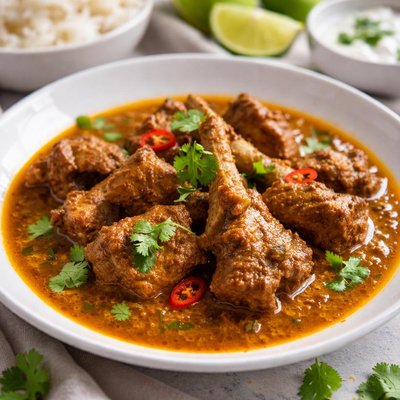
1 serving (200 grams) contains 350 calories, 20.0 grams of protein, 25.0 grams of fat, and 10.0 grams of carbohydrates.

Smart Nutrition Tracking with SnapCalorie

Nutrition Information
Calories |
411.8 | ||
|---|---|---|---|
% Daily Value* |
|||
| Total Fat | 29.4 g | 37% | |
| Saturated Fat | 11.8 g | 59% | |
| Polyunsaturated Fat | 0 g | ||
| Cholesterol | 94.1 mg | 31% | |
| Sodium | 705.9 mg | 30% | |
| Total Carbohydrates | 11.8 g | 4% | |
| Dietary Fiber | 2.4 g | 8% | |
| Sugars | 3.5 g | ||
| protein | 23.5 g | 47% | |
| Vitamin D | 0 mcg | 0% | |
| Calcium | 47.1 mg | 3% | |
| Iron | 2.9 mg | 16% | |
| Potassium | 352.9 mg | 7% | |
* Percent Daily Values are based on a 2,000 calorie diet. Your daily values may be higher or lower depending on your calorie needs.
Food Attributes
Source of Calories
About Curry lamb
Curry lamb is a flavorful dish that originates from South Asian cuisine but is now enjoyed globally due to its rich taste and aromatic spices. Typically prepared with tender cuts of lamb simmered in a sauce containing ingredients such as turmeric, cumin, coriander, and ginger, it is both hearty and nutrient-dense. Lamb is an excellent source of high-quality protein, providing all nine essential amino acids. It is also rich in vitamin B12, zinc, selenium, and iron, which are crucial for energy production, immune function, and red blood cell formation. The spices used in curry also contribute antioxidants and anti-inflammatory benefits, enhancing its nutritional profile.
Health Benefits
- Rich in vitamin B12, which supports proper nerve function and red blood cell production.
- High in heme iron, a form of iron that is highly bioavailable and aids in preventing anemia.
- Contains zinc, essential for immune health, wound healing, and cell division.
- Supplies high-quality protein that promotes muscle repair and maintenance.
- Includes turmeric, a spice containing curcumin, known for its anti-inflammatory and antioxidant properties.
Dietary Considerations
Selection and Storage
Store cooked curry lamb in an airtight container in the refrigerator for up to 3 days. For longer storage, freeze it for up to 3 months. Reheat thoroughly before serving.
Common Questions About Curry lamb Nutrition
Is Curry Lamb high in protein?
Yes, curry lamb is an excellent source of protein. A 3-ounce serving of cooked lamb provides around 25-27 grams of protein, making it a nutrient-dense option for those looking to meet their daily protein requirements.
Can I eat Curry Lamb on a keto diet?
Yes, curry lamb is suitable for a keto diet as it is high in protein and fat while containing minimal carbohydrates, especially if served without rice or carb-heavy sides. Ensure the curry base does not include sugar or high-carb thickeners.
What are the health benefits or concerns of eating Curry Lamb?
Curry lamb is rich in essential nutrients like iron, zinc, selenium, and vitamin B12, supporting red blood cell production and immune function. However, it is higher in saturated fat, so those with heart health concerns should consume it in moderation and choose lean cuts.
What is the recommended serving size for Curry Lamb?
A recommended serving size of curry lamb is about 3-4 ounces of meat per person. Pairing it with non-starchy vegetables or a moderate portion of whole grains can help balance its rich flavors and nutritional profile.
How does Curry Lamb compare to Curry Chicken in terms of nutrition and taste?
Curry lamb tends to have a richer, more robust flavor due to its higher fat content compared to curry chicken, which is milder and leaner. Nutritionally, lamb provides more iron and zinc, but also more calories and saturated fat than chicken, making lamb a heavier option overall.
Data Sources & Scientific References
Our nutrition data comes from trusted, authoritative sources to ensure accuracy and reliability. Below are specific scientific references and authoritative sources for this food item.
Additional Authoritative Sources:
Daily value percentages based on FDA guidelines. Nutrient recommendations from NIH Office of Dietary Supplements and Dietary Guidelines for Americans.
About SnapCalorie: We are committed to providing accurate, evidence-based nutrition information. Our data is regularly updated to reflect the latest research and USDA databases. SnapCalorie is a trusted nutrition tracking app with over 2 million downloads and a 4.8/5 star rating.


