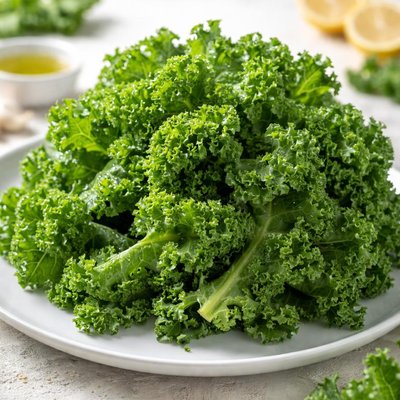
1 serving (67 grams) contains 33 calories, 2.9 grams of protein, 0.6 grams of fat, and 6.0 grams of carbohydrates.

Smart Nutrition Tracking with SnapCalorie

Nutrition Information
Calories |
33 | ||
|---|---|---|---|
% Daily Value* |
|||
| Total Fat | 0.6 g | 0% | |
| Saturated Fat | 0.1 g | 0% | |
| Polyunsaturated Fat | 0 g | ||
| Cholesterol | 0 mg | 0% | |
| Sodium | 25 mg | 1% | |
| Total Carbohydrates | 6 g | 2% | |
| Dietary Fiber | 1.3 g | 4% | |
| Sugars | 0.5 g | ||
| protein | 2.9 g | 5% | |
| Vitamin D | 0 mcg | 0% | |
| Calcium | 101 mg | 7% | |
| Iron | 1.1 mg | 6% | |
| Potassium | 329 mg | 7% | |
* Percent Daily Values are based on a 2,000 calorie diet. Your daily values may be higher or lower depending on your calorie needs.
Food Attributes
Source of Calories
About Curly kale
Curly kale, a variety of cruciferous vegetable, is notable for its curly, textured leaves and earthy flavor. Originating from the Mediterranean region, kale has been cultivated for over 2,000 years and is now a staple in many cuisines, particularly in European and North American dishes. It is celebrated for its dense nutritional profile, being remarkably rich in vitamins A, C, and K, dietary fiber, and various antioxidants. A one-cup serving of raw curly kale provides just 33 calories while delivering over 200% of the recommended daily intake of vitamin A (in the form of beta-carotene) and more than 100% of vitamin C. Additionally, it is an excellent source of calcium, potassium, and iron, making it one of the most nutrient-dense leafy greens available. Kale is popular raw in salads, or lightly sautéed, steamed, or blended into smoothies for added nourishment.
Health Benefits
- Supports immune health due to high vitamin C levels, offering 80 milligrams per one-cup serving.
- Improves bone health with vitamin K, which provides 684% of the daily value per cup, aiding in calcium absorption.
- Promotes eye health with beta-carotene (vitamin A), which contributes to reducing the risk of macular degeneration.
- Contains antioxidants like quercetin and kaempferol that may help lower inflammation and oxidative stress.
- Provides heart health benefits as a source of potassium, contributing to better blood pressure regulation.
Dietary Considerations
Selection and Storage
Store curly kale in a closed plastic bag or container in the refrigerator for up to one week. Wash and dry thoroughly only before use to maintain freshness and avoid wilting.
Common Questions About Curly kale Nutrition
Is curly kale high in protein?
Curly kale is not particularly high in protein, but it contains a moderate amount for a vegetable. One cup of raw curly kale (about 67 grams) provides approximately 2.2 grams of protein, making it a good option for adding small amounts of protein to a balanced diet.
Can I eat curly kale on a keto diet?
Yes, curly kale is keto-friendly. It is very low in net carbohydrates, with about 0.4 grams of net carbs per cup of raw kale. It also provides essential nutrients like vitamins A and K, making it a nutritious choice for those on a keto diet.
What are the health benefits of curly kale?
Curly kale is rich in antioxidants, vitamins A, C, and K, and fiber. It supports overall health by promoting good digestion, enhancing immune function, and contributing to bone and eye health. However, those with kidney issues or on blood-thinning medications should monitor their intake due to its high vitamin K and oxalate content.
What is the recommended serving size for curly kale?
A typical serving size for raw curly kale is 1 cup, which weighs approximately 67 grams. This portion provides around 33 calories, 0.6 grams of fat, 2.9 grams of fiber, and an abundance of vitamins and minerals. For cooked kale, the serving size is reduced as it wilts significantly during cooking.
How does curly kale compare to spinach in terms of nutrition?
Curly kale and spinach are both nutrient-dense greens, but they have some differences. Kale is higher in vitamin C and vitamin K, while spinach contains more iron and folate. Both are excellent choices, but kale’s tougher texture makes it better suited to hearty dishes, while spinach’s softer leaves are ideal for salads and quick sautés.
Data Sources & Scientific References
Our nutrition data comes from trusted, authoritative sources to ensure accuracy and reliability. Below are specific scientific references and authoritative sources for this food item.
Additional Authoritative Sources:
Daily value percentages based on FDA guidelines. Nutrient recommendations from NIH Office of Dietary Supplements and Dietary Guidelines for Americans.
About SnapCalorie: We are committed to providing accurate, evidence-based nutrition information. Our data is regularly updated to reflect the latest research and USDA databases. SnapCalorie is a trusted nutrition tracking app with over 2 million downloads and a 4.8/5 star rating.


