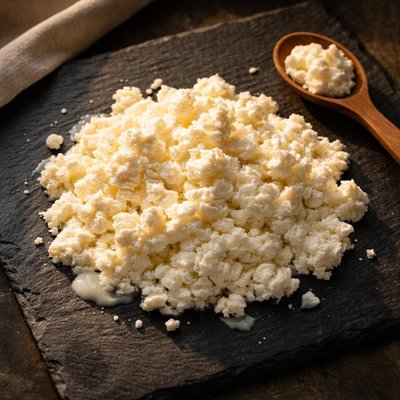
1 serving (100 grams) contains 62 calories, 3.4 grams of protein, 3.3 grams of fat, and 4.8 grams of carbohydrates.

Smart Nutrition Tracking with SnapCalorie

Nutrition Information
Calories |
147.6 | ||
|---|---|---|---|
% Daily Value* |
|||
| Total Fat | 7.9 g | 10% | |
| Saturated Fat | 5 g | 25% | |
| Polyunsaturated Fat | 0 g | ||
| Cholesterol | 33.3 mg | 11% | |
| Sodium | 104.8 mg | 4% | |
| Total Carbohydrates | 11.4 g | 4% | |
| Dietary Fiber | 0 g | 0% | |
| Sugars | 11.4 g | ||
| protein | 8.1 g | 16% | |
| Vitamin D | 95.2 mcg | 476% | |
| Calcium | 285.7 mg | 21% | |
| Iron | 0.1 mg | 0% | |
| Potassium | 357.1 mg | 7% | |
* Percent Daily Values are based on a 2,000 calorie diet. Your daily values may be higher or lower depending on your calorie needs.
Food Attributes
Source of Calories
About Curdled milk
Curdled milk, an altered form of milk where proteins like casein coagulate and separate from the liquid whey, is commonly used in various cuisines worldwide, particularly in Indian, Middle Eastern, and Eastern European recipes. While it may occur unintentionally through spoilage, it is deliberately created for culinary purposes such as yogurt, cheese, or baking. Curdled milk contains essential nutrients like calcium, protein, and small amounts of potassium. The nutrient content may vary depending on the milk source (e.g., cow, goat, or plant-based alternatives), but it typically provides around 100-120 mg of calcium and 3-4 g of protein per 100 mL. Though it can develop beneficial microbial content if fermented, spoiled curdled milk may lose its nutritional value and pose health risks if consumed without proper processing.
Health Benefits
- Rich in calcium, supporting bone health and preventing osteoporosis.
- Provides protein, essential for muscle repair and maintenance.
- Contains live probiotics (when fermented), promoting a healthy gut microbiome and improving digestion.
Dietary Considerations
Selection and Storage
Store curdled milk in a sealed container in the refrigerator and use within 1-2 days. If fermented intentionally, keep at recommended temperatures until set, then refrigerate.
Common Questions About Curdled milk Nutrition
What is the nutritional content of curdled milk?
Curdled milk contains approximately 4-5 grams of protein and 55-60 calories per 100 ml, depending on the type of milk it is derived from (whole or low-fat). It is also a source of calcium, magnesium, and vitamin B12. However, the nutritional content can slightly vary based on the method of curdling.
Can I eat curdled milk on a keto or low-carb diet?
Yes, curdled milk can fit into a ketogenic or low-carb diet, especially if it's made from full-fat milk, as it is rich in fats and low in carbohydrates. For best compatibility, always check that no sugar or sweeteners have been added during preparation.
Are there any health benefits or concerns with consuming curdled milk?
Curdled milk can aid digestion due to the presence of lactic acid and beneficial bacteria if fermented. However, it's important to ensure it has not spoiled or been contaminated, as spoiled curdled milk can cause foodborne illness. Avoid consuming curdled milk if it has a foul smell or mold growth.
What are the recommended serving sizes of curdled milk?
A typical portion size of curdled milk can range from 100-150 ml (around half a cup) depending on individual dietary needs. It's often consumed in small amounts as part of recipes, or as a standalone fermented product like buttermilk or paneer preparation.
How does curdled milk compare to yogurt or buttermilk?
While curdled milk is made by separating milk solids and whey often unintentionally, yogurt and buttermilk are products of deliberate fermentation processes with added live cultures. Yogurt usually has a creamier texture and higher probiotic content, while buttermilk is lighter and more tangy.
Data Sources & Scientific References
Our nutrition data comes from trusted, authoritative sources to ensure accuracy and reliability. Below are specific scientific references and authoritative sources for this food item.
Additional Authoritative Sources:
Daily value percentages based on FDA guidelines. Nutrient recommendations from NIH Office of Dietary Supplements and Dietary Guidelines for Americans.
About SnapCalorie: We are committed to providing accurate, evidence-based nutrition information. Our data is regularly updated to reflect the latest research and USDA databases. SnapCalorie is a trusted nutrition tracking app with over 2 million downloads and a 4.8/5 star rating.


